Skin Cancer Services and Their Impact on Patient Outcomes
Skin cancer services encompass a range of diagnostic, preventive, and treatment procedures for managing skin abnormalities. These services help detect and treat skin lesions early in their development. Early detection is fundamental in treatment planning, and comprehensive skin exams provide a foundation for this proactive process. Here’s information on some common dermatological services and their benefits for patients:
Skin Cancer Exam
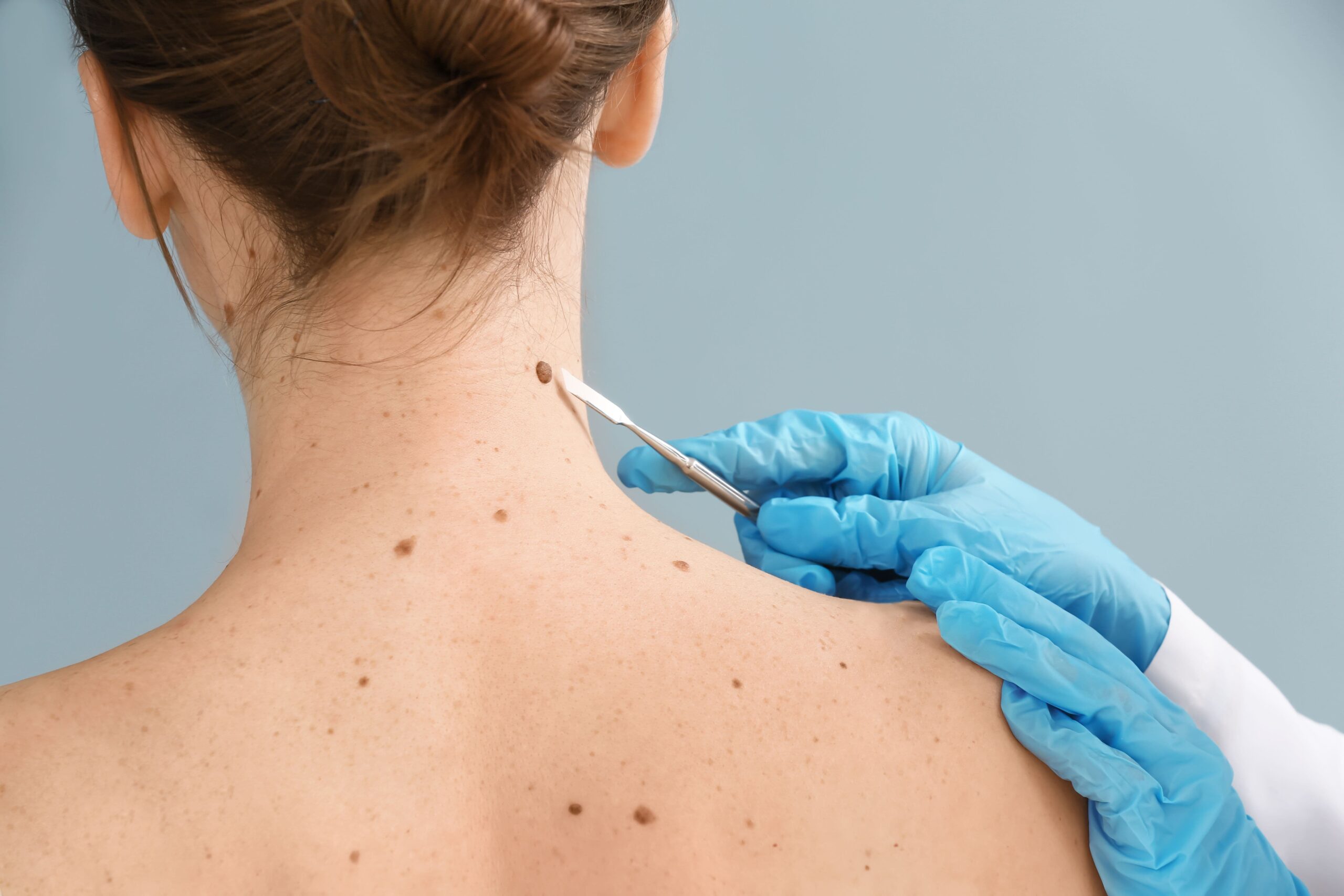
During a professional skin cancer exam, a dermatologist systematically evaluates the skin for unusual blemishes or changing spots. The provider typically examines a patient’s entire body from head to toe, carefully documenting any areas of concern. This thorough evaluation allows specialists to identify potential irregularities before they progress. Establishing a health baseline through these exams allows providers to track subtle skin changes over time.
When To Visit a Dermatologist
Individuals should schedule a professional evaluation if they notice a new spot, a changing mole, or a skin sore that does not heal. The ABCDE rule is a highly effective guideline for patient self-assessment, standing for:
- Asymmetry
- Border Irregularity
- Color variations
- Diameter
- Evolving Characteristics
Patients with a personal or family history of skin abnormalities often require more frequent exams or other skin cancer services. Prompt consultations allow specialists to evaluate concerns immediately and recommend appropriate next steps, enabling timely treatments.
What To Expect from Excision
Excision is a standard surgical procedure used to carefully remove malignant or suspicious skin lesions. For this procedure, the skin area is thoroughly numbed using a local anesthetic, and the dermatologist removes the lesion along with a margin of healthy tissue. Removing a surrounding margin of tissue reduces the likelihood of abnormal cells remaining behind, and all removed tissue is sent to a laboratory for further evaluation. The resulting pathology report confirms whether the lesion and extra margins are clear of concerning cells. Once the primary procedure is complete, the provider closes the wound with sutures, allowing the site to heal.
Cryosurgery
Cryosurgery offers a non-invasive approach to treating certain precancerous lesions and superficial skin irregularities. By using extreme cold, cryosurgery destroys targeted abnormal cells without the need for traditional incisions. Liquid nitrogen is applied to the targeted area, causing the affected tissue to freeze and eventually fall off.
While minor blistering or redness may initially appear with treatment, the skin typically regenerates smoothly as the treatment site heals. The entire process usually takes only a few minutes and occurs directly in an outpatient clinical setting. Follow-up appointments are necessary, as they determine if the targeted cancer cells were effectively addressed. There are three kinds of skin cancer:
- Basal Cell Carcinoma (BCC): The most common type of skin cancer, but it rarely spreads to other parts of the body.
- Squamous Cell Carcinoma (SCC): This type has a higher chance of spreading than basal cell carcinoma if not treated promptly.
- Melanoma: The most serious type of skin cancer, which may appear as a new mole or a changing mole. Early detection is key for successful treatment outcomes.
Mohs Surgery
Mohs surgery is a highly precise technique used primarily to treat common types of skin cancer, particularly in cosmetically sensitive or structurally complex areas. For this procedure, a surgeon will remove a visible tumor alongside a very thin layer of surrounding tissue. This tissue is immediately sectioned and examined under a microscope while the patient waits in the clinic.
If abnormal cells remain at the edges, the removal process is repeated in the exact location where those specific cells were detected. This methodical approach preserves as much healthy tissue as possible while confirming the complete removal of cancerous cells. If the cancer has spread beyond the initial site, radiation or chemotherapy may be recommended as part of a comprehensive, multidisciplinary treatment plan.
Learn More About Skin Cancer Services
Understanding available skin cancer services allows individuals to make informed, timely decisions about their healthcare. Regular screenings and professional evaluations are key opportunities to address skin concerns promptly and effectively. Getting a skin exam is a proactive way to assess your health, and you don’t need symptoms to schedule one. If you notice changes in your skin or have questions about your risk factors, schedule an appointment with a dermatologist.