Signs and Symptoms of Heart Disease

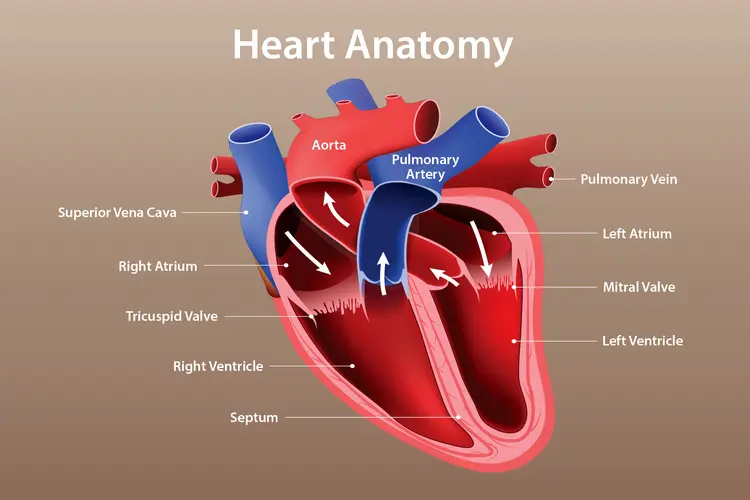
Heart disease describes a range of conditions that affect the heart’s structure and function. It includes blood vessel diseases, such as coronary artery disease, heart rhythm problems, and heart defects present at birth. Some people may think heart disease is a single condition, but it actually encompasses several distinct pathologies. Here is more information on the signs and symptoms of this disease:
What Is Heart Disease?
Heart disease is a general term for conditions that affect the heart’s ability to function efficiently. A common type is coronary artery disease, which affects blood flow to the heart muscle. Issues can also arise in the valves, the electrical system, or the heart muscle itself, and these require medical guidance to manage effectively.
What Causes It?
A buildup of fatty plaques in the arteries, known as atherosclerosis, frequently causes cardiovascular issues. These plaques harden over time, narrowing the arteries and restricting the flow of oxygen-rich blood to the organs. This process damages blood vessels and the heart, and lifestyle choices may accelerate the progression.
Certain risk factors increase the likelihood of developing heart complications. High blood pressure, high cholesterol, and smoking are primary contributors to arterial damage. Diabetes and obesity also place additional strain on the cardiovascular system, yet genetics play a role in susceptibility as well. Some individuals are born with structural abnormalities that disrupt normal blood flow through the heart chambers.
What Are the Symptoms?
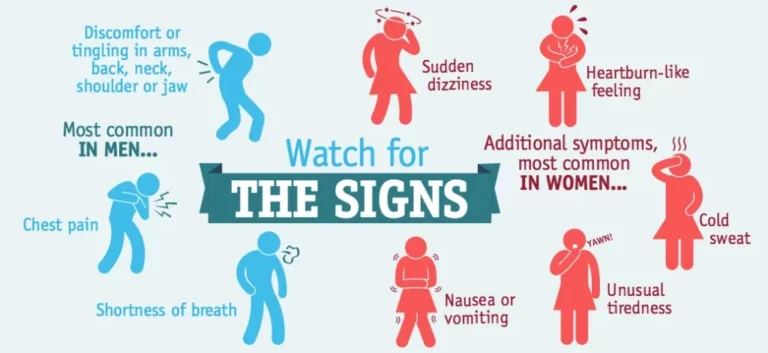
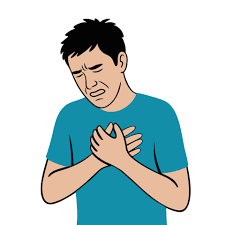
Symptoms vary depending on the specific type of heart disease present in the patient. Coronary artery disease may present with chest pain, chest tightness, chest pressure, or chest discomfort. This pain is known as angina, and shortness of breath typically accompanies it during physical exertion.
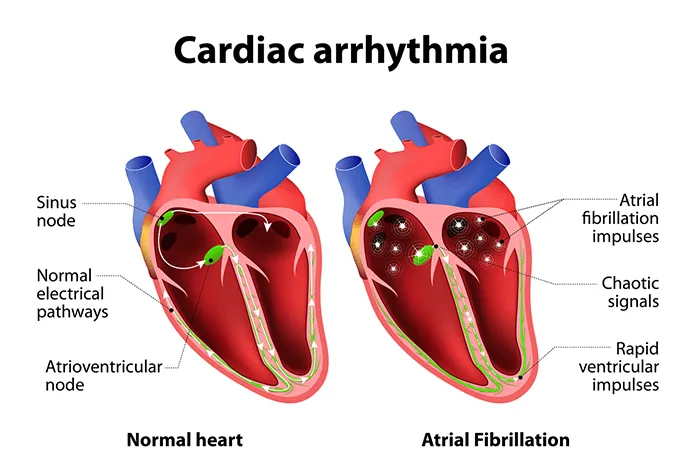
Heart arrhythmias cause different sensations related to the heartbeat’s rhythm. A patient may experience a fluttering sensation in the chest, a racing heartbeat, or a slow heartbeat. Dizziness or lightheadedness may occur, and fainting spells are possible if the brain receives insufficient blood flow.
Peripheral artery disease creates symptoms in the extremities due to reduced circulation. Patients may notice coldness in the legs or arms, numbness, or muscle weakness. Pain in the neck, jaw, throat, upper abdomen, or back is also reported, and these signs prompt immediate medical evaluation.
What Are the Treatment Options?
Treating heart disease usually involves a combination of strategies tailored to the specific condition. Healthcare providers prioritize relieving symptoms and reducing the risk of recurrence or complications. The approach typically starts with less invasive measures, but surgical interventions are sometimes necessary for structural repairs.
Lifestyle changes are a primary component of managing cardiovascular health; patients may be advised to adopt a low-sodium, low-fat diet and engage in regular physical activity. Medications address various biological mechanisms to improve heart function. Antibiotics are prescribed if an infection is the underlying cause of the heart issue, and anticoagulants and antithrombotics help prevent blood clots from forming. Surgical procedures are required when medication and lifestyle changes are insufficient.
How Is Professional Guidance Beneficial?
Consulting a cardiologist provides access to specialized diagnostic tools and expertise. Physicians may use electrocardiograms, echocardiograms, and stress tests to pinpoint the exact nature of the cardiac issue. An accurate diagnosis enables targeted treatment, and this precision helps improve long-term outcomes for the patient. Professional monitoring also tracks the progression of the disease and the effectiveness of the treatment plan.
Seek Professional Care Today
Heart disease requires medical attention to manage symptoms and prevent complications. Patients should not ignore potential warning signs, for timely care may impact the prognosis. Contact a healthcare provider to schedule a comprehensive cardiovascular evaluation.