Recognizing Herniated Disc Symptoms
A herniated disc occurs when the soft center of a spinal disc protrudes through a crack in its outer casing. This condition can irritate nearby nerves, and it may result in pain, numbness, or weakness in an arm or leg. While some people experience no symptoms, others find that the discomfort significantly disrupts their daily activities. Recognizing the signs early can help you manage the condition effectively and seek appropriate care before it worsens. Understanding your body’s signals is the first step toward relief and recovery.
Key Symptoms of a Herniated Disc
Symptoms often depend on where the disc is located and whether it is pressing on a nerve. The pain typically affects one side of the body. You might notice subtle changes at first, but these can escalate if left unaddressed.
- Arm or Leg Pain: If your herniated disc is in your lower back, you will typically feel the most intense pain in your buttocks, thigh, and calf. You can also have pain in part of the foot. For a herniated disc in your neck, you will typically feel the most pain in your shoulder and arm. This pain might shoot into your arm or leg when you cough, sneeze, or move into certain positions.
- Numbness or Tingling: Radiating numbness or tingling in the body part served by the affected nerves is also a common symptom. This sensation can feel like “pins and needles” or a limb falling asleep.
- Weakness: Muscles served by the affected nerves tend to weaken. This may cause you to stumble or impair your ability to lift or hold items.
Common Locations and Their Symptoms
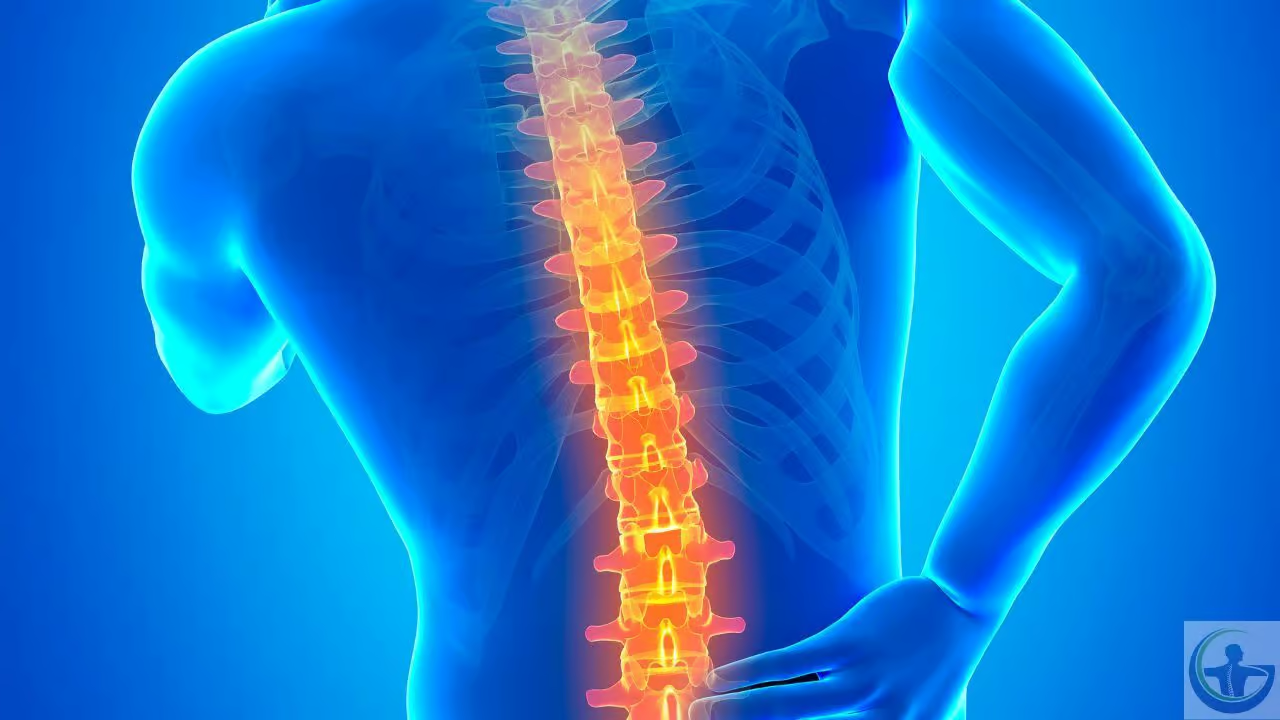
The location of the herniated disc determines where symptoms will appear; herniation most commonly affects either the lumbar (lower back) or cervical (neck) regions of the spine. Herniated discs are most commonly found in the lumbar spine and may compress the sciatic nerve. People often experience a sharp, burning pain that radiates from the buttocks down the back of one leg. This pain can worsen when sitting, standing, or walking for short distances. Weakness in the leg or foot is also a possibility. It can sometimes become difficult to raise the toes as a result.
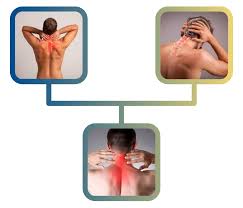
For herniated cervical discs, symptoms involve the nerves serving the shoulders, arms, and hands. Individuals may feel a dull or sharp pain in the neck or between the shoulder blades, and the pain can travel down the arm to the hand or fingers. Numbness or tingling in the shoulder or arm is also possible. Certain neck movements may worsen the pain, affecting daily comfort and mobility.
Medical Intervention
Most herniated discs do not require surgery and may improve with time, but professional guidance is recommended for safe recovery. You should not ignore persistent pain or neurological changes. Medical evaluation helps you rule out other conditions and receive a proper treatment plan tailored to your needs.
Seek immediate medical attention if you have:
- Worsening Symptoms: Pain, numbness, or weakness increase to the point that it hampers your daily activities.
- Bladder or Bowel Dysfunction: People who have cauda equina syndrome may become incontinent or have difficulty urinating even with a full bladder.
- No Improvement: If your symptoms have not improved after four to six weeks, seek medical help.
Talk to a Doctor Today
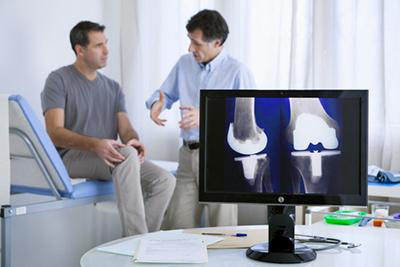
A healthcare professional can provide a diagnosis through physical exams and imaging tests, such as MRI or CT scans. They can then guide you toward physical therapy or medication, or they may prescribe other interventions to alleviate your discomfort. If you suspect a herniated disc, schedule an appointment today to discuss your symptoms and seek relief.