Reasons to Visit a Foot Doctor
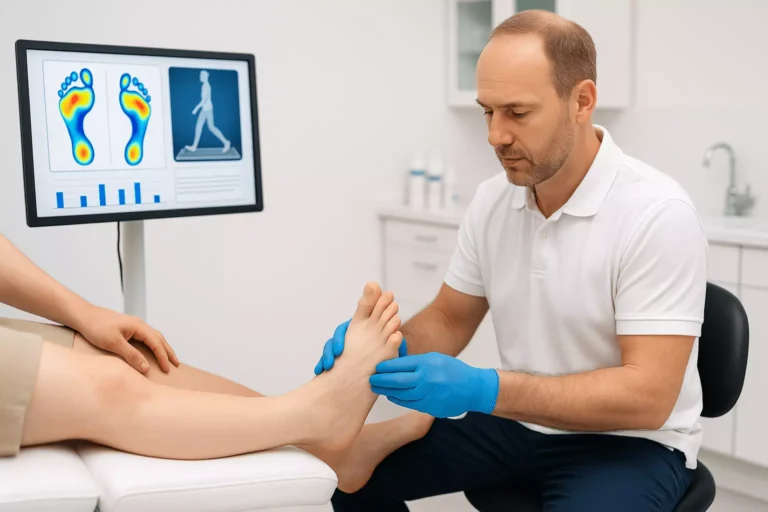
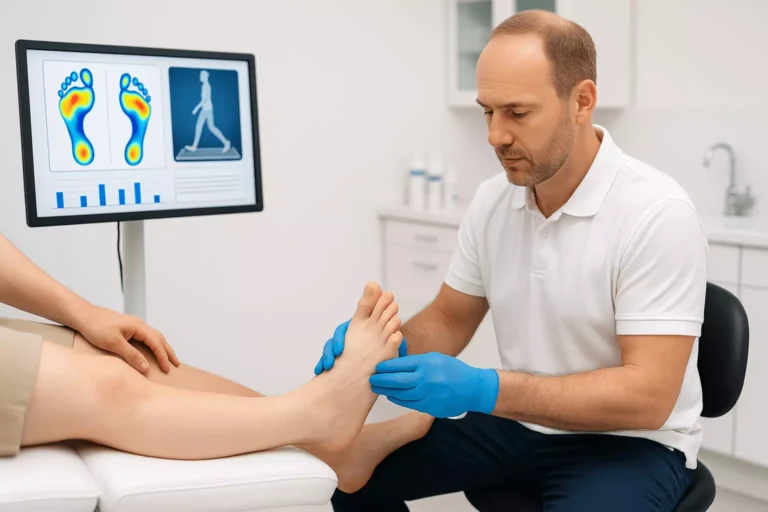
A foot doctor, or podiatrist, is a medical specialist who diagnoses and treats conditions affecting the feet, ankles, and lower legs. These professionals undergo specialized training to handle everything from minor nail issues to complex structural deformities. Many people ignore foot problems until they become severe, but early intervention often leads to better outcomes. Schedule an appointment if you experience symptoms that do not improve with rest or basic home care. Regular check-ups are also beneficial for individuals with chronic conditions like diabetes, which can significantly affect foot health.
Persistent Pain or Discomfort
Foot pain is not normal, and it often signals an underlying issue that requires professional attention. While occasional soreness after a long walk might resolve on its own, persistent pain is a reason to seek help. This discomfort may present as sharp, stabbing sensations in the heel or a dull ache in the arch. You might notice the pain worsens during specific activities or lingers even when you are off your feet. Ignoring this pain can lead to compensatory movements that affect your knees, hips, and back.
Heel pain is a common complaint that frequently drives patients to a specialist’s office. This symptom often points to plantar fasciitis, which involves inflammation of the tissue connecting the heel bone to the toes. Another source of persistent discomfort is arthritis, which causes stiffness and swelling in the foot and ankle joints. A foot doctor can assess the root cause of your pain, and they can recommend appropriate interventions to restore comfort and mobility.
Structural Changes
Changes in the shape or structure of your feet are significant indicators that you need a medical evaluation. You might notice that your shoes no longer fit comfortably, or you may see that your toes appear crooked. Bunions are a common structural deformity in which a bony bump forms at the base of the big toe. This condition pushes the big toe toward the other toes, causing crowding and discomfort. Hammertoes occur when a toe bends downward at the middle joint, leading to friction and pain.
Flat feet or high arches may also cause long-term issues if not properly managed. These structural characteristics affect how your weight is distributed across your feet when you walk or stand. Over time, improper weight distribution can lead to stress on the muscles and ligaments of the lower leg. A foot doctor can analyze your gait and foot structure to determine if orthotics or other supports are necessary. Addressing these changes early may prevent further deformity, and early intervention can help you maintain your ability to stay active.
Skin and Nail Conditions
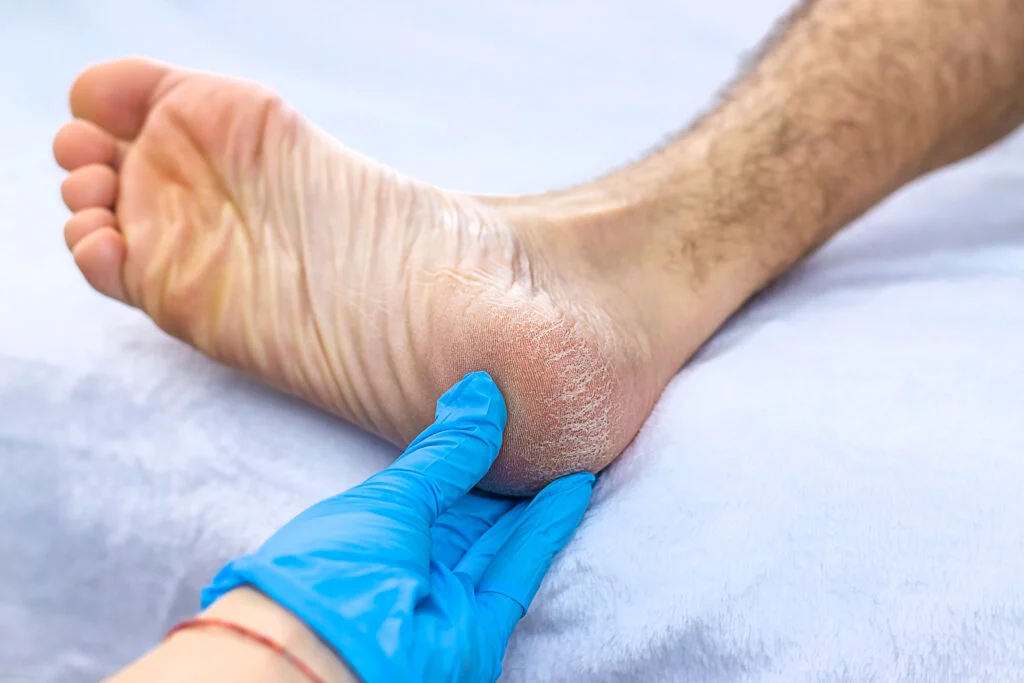
Fungal infections are common and cause nails to become discolored, thickened, or brittle. Athlete’s foot is another common skin condition that causes itching, peeling, and redness. Over-the-counter remedies exist, but persistent infections often require prescription-strength treatments. Ingrown toenails are painful conditions in which the nail grows into the soft tissue of the toe, often leading to infection.
Diabetes requires special attention to skin and nail health due to the risk of poor circulation and nerve damage. Diabetic patients should check their feet daily for cuts, blisters, or sores that do not heal properly; even a minor injury can escalate into a serious complication for someone with compromised circulation. Warts and corns are other skin lesions that may become painful if left untreated. A podiatrist can safely remove these growths and provide guidance on preventing their recurrence.
Contact a Foot Doctor Today
Prioritizing foot health is recommended for maintaining your overall quality of life and mobility. If you are experiencing pain, noticing structural changes, or dealing with persistent skin issues, professional guidance is available. A specialist can provide a comprehensive evaluation and a tailored treatment plan to address your specific needs. Do not wait for minor symptoms to become major obstacles to your daily activities; reach out to a local foot doctor to discuss your symptoms and take the first step toward relief.