Pain Management Techniques for Post-Surgical Recovery
Effective pain management is a key component of post-surgical recovery, helping patients regain mobility, reduce complications, and improve overall comfort. A structured pain management plan may include medication, physical therapy, and supportive therapies tailored to the individual’s procedure and health status. Understanding available techniques allows patients and providers to work collaboratively toward safer recovery and optimal healing outcomes.
Medication-Based Pain Management Strategies
Medications are often the first defense against post-surgical pain. Physicians typically prescribe NSAIDs or acetaminophen to manage mild to moderate discomfort, as these drugs reduce inflammation at the surgical site and are generally safe when used as directed. For more severe pain, opioids may be prescribed for short periods but require cautious management due to their potency.
Oral medications aren’t the only solution for managing post-surgical pain. Interventional pain management offers targeted relief and is sometimes more effective for specific types of pain. Nerve blocks, which involve injecting a local anesthetic near specific nerves, interrupt pain signals before they reach the brain. This approach provides significant relief and often reduces the need for oral opioids.
Physical-Therapeutic Recovery Techniques
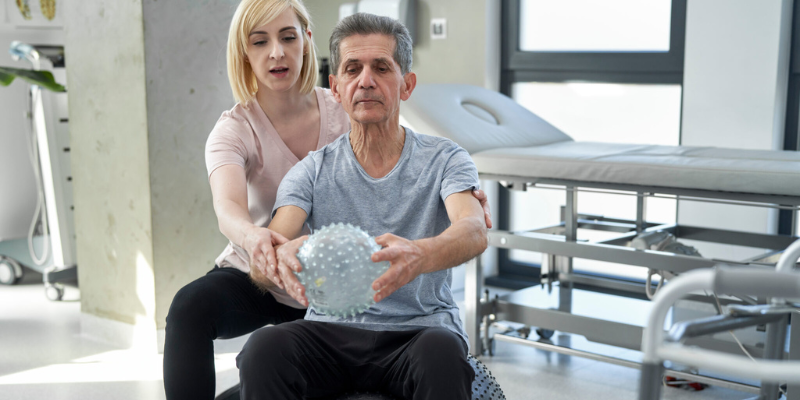
Physical rehabilitation is key to a successful recovery. It can be intimidating to move when you are sore. But controlled movement is necessary for preventing stiffness. Physical therapy helps restore strength, flexibility, and motion. A therapist will guide you through exercises that promote blood flow. This increased circulation delivers oxygen and nutrients to support tissue repair.
Regenerative medicine is also a powerful tool for healing. Therapies like Platelet Rich Plasma (PRP) use your body’s growth factors. They can accelerate tissue repair. A specialist injects concentrated platelets from your blood into the area. This pain therapy stimulates your body’s natural healing process. Stem Cell Therapy and Bone Marrow Cell Therapy are other regenerative options that help repair damaged tissues.
Complementary and Non-Pharmacological Approaches
Non-drug therapies can complement your medical treatment. Simple at-home methods, such as ice packs, can reduce swelling and numb the area. Heat therapy helps relax tight muscles and improve flexibility after the acute phase. These basic pain control techniques are easy to use and provide immediate comfort. For more complex pain, technology offers innovative solutions. Spinal Cord Stimulation is an option that uses a small device to modulate pain signals.
Your mental well-being also plays a big role in how you perceive physical pain. Techniques like deep breathing and meditation can help calm your nervous system. Stress can make pain worse, so keeping stress levels low is a practical way to feel better. Engaging in relaxing activities also helps distract your mind from discomfort. Integrating these practices into your daily routine creates a holistic healing environment.
Lifestyle Self-Care Practices
Your daily habits greatly impact your recovery. Good nutrition provides the materials your body needs to rebuild tissue. A diet rich in protein, vitamins, and minerals supports your immune system and helps strengthen surgical wounds. Foods high in Vitamin C and Zinc are very helpful for tissue repair. You should also reduce your intake of processed sugars. These can increase inflammation in the body.
Hydration is another key part of self-care. Water transports nutrients and flushes out toxins from medications. Sleep is perhaps the most necessary factor in healing. Your body releases growth hormones during deep sleep. These hormones repair damaged tissue. A consistent sleep schedule and a restful environment can improve sleep quality.
Book Your Pain Management Appointment
Recovering from surgery is a process that requires patience, support, and a proactive mindset. When you combine medical expertise with physical therapy and healthy lifestyle choices, you navigate this process with confidence.
If you are experiencing discomfort or want to explore advanced options such as interventional or regenerative therapies, seek professional help. Contact a pain management specialist today to book an appointment for an examination and to create a personalized treatment plan for a smooth, fast recovery.