
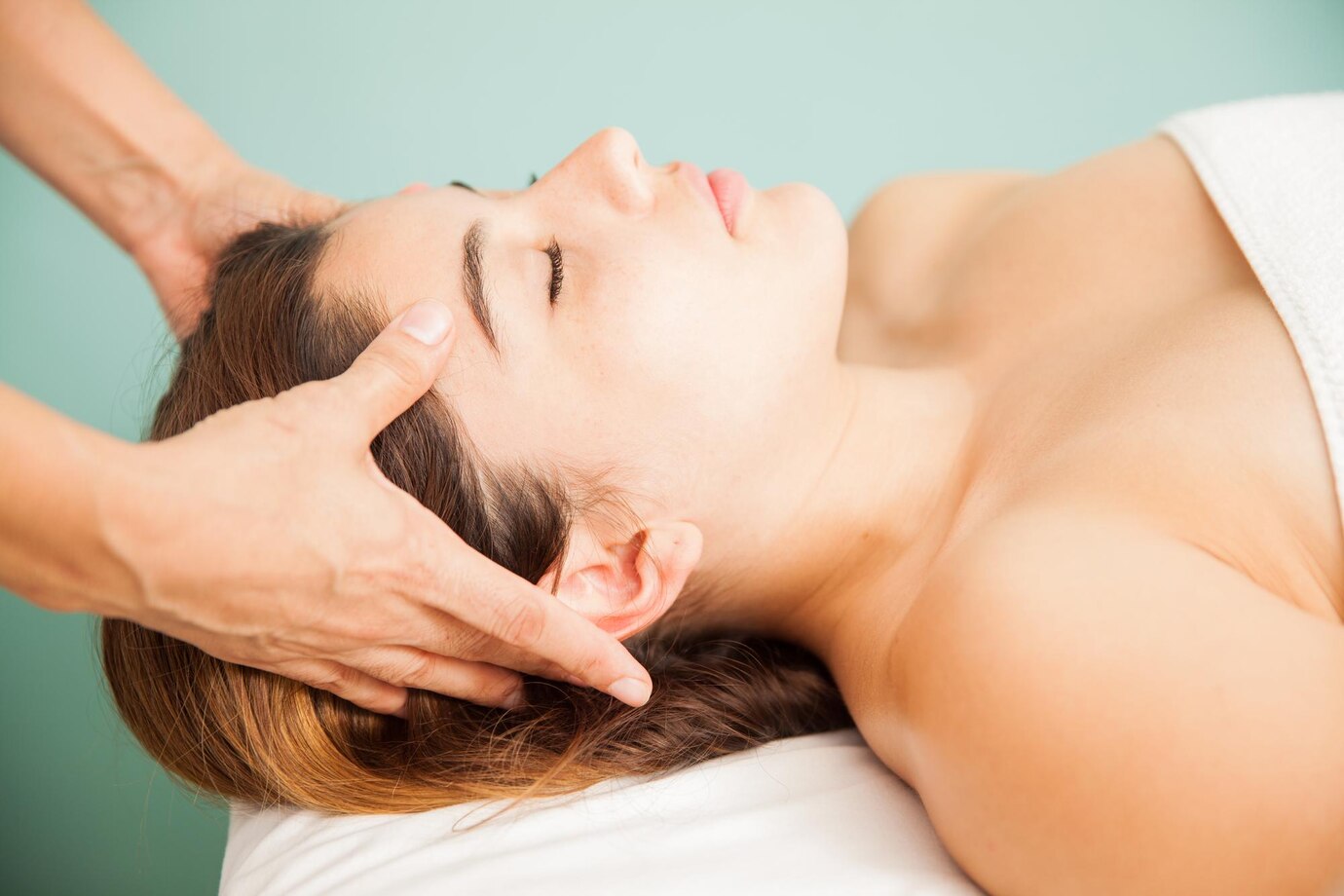
Pain Management Techniques for Patients With Chronic Migraines
Migraines are intense headaches that typically cause throbbing pain on one side of the head. They are more than just a bad headache; they are a complex neurological condition with various symptoms. When these headaches happen repeatedly over time, medical professionals classify them as chronic migraines. Whether through medication or lifestyle changes, pain management is possible for those who experience migraine headaches.
Identifying Migraine Triggers
While the exact cause of migraines remains unclear, genetics and environmental factors appear to play a role. A specific trigger might start the attack, or a combination of factors could be responsible. When a trigger is unavoidable or a migraine does happen, pain management techniques can help with the pain of migraine headaches.
Imbalances in brain chemicals may also contribute to migraines. Lowered serotonin levels have been linked to migraine attacks. Understanding these triggers is helpful because it allows patients to avoid them, and this avoidance can reduce the number of attacks.
Defining Chronic Migraines
If you experience a headache on 15 or more days per month for at least three months, you might have this condition. At least eight of those days must have features of a migraine to meet the criteria for chronic migraines. This condition affects daily life significantly, but proper diagnosis leads to better treatment options. Because chronic migraines differ from episodic ones, the treatment plan must address frequency, and doctors can adjust medications accordingly.
Applying Home Techniques
Lifestyle adjustments can prevent attacks before they start. Address any underlying sleep disorders. Avoid consuming too much caffeine. Stress is a known trigger, so relaxation techniques might help reduce frequency. Because certain foods trigger attacks, keeping a food diary can help you identify potential dietary triggers.
Some natural remedies provide relief during an attack:
- Resting in a dark, quiet room.
- Applying hot or cold compresses to the head or neck.
- Consuming small amounts of caffeine early in the attack.
These methods work best when used early. If you feel a migraine coming on, begin your treatment protocol. Delaying treatment may allow the pain to worsen. Although home remedies can be effective, they might not work for everyone, so medical intervention is sometimes necessary.
Getting Medical Help
Over-the-counter drugs are not always enough to provide some patients with relief from migraine headaches. A doctor can prescribe stronger medications than are available over the counter, or they might suggest preventative treatments. Triptans are drugs that block pain pathways in the brain. If retail medications fail to provide relief, see a specialist to get more advanced therapies like Botox injections.
Seek professional help if headaches disrupt your life. Call a doctor if your headaches are severe, or contact them if the pain feels sudden and intense. Some symptoms indicate serious issues. Immediate care may be required.
Go to an emergency room if you exhibit the following symptoms:
- Headaches that occur after a head injury.
- A headache that is the worst pain you have ever experienced.
- Headaches accompanied by fever, stiff neck, confusion, or seizures.
Find Pain Management for Migraines
Migraines are complex neurological events that may require careful attention. Chronic migraines are characterized by frequent attacks and specific features, and treatment options exist. By combining home remedies with medical advice, you may be able to find relief. If you want to learn more about migraines and how to manage pain, consult a neurologist near you.