Identifying Common Sciatica Symptoms and When to Seek Help
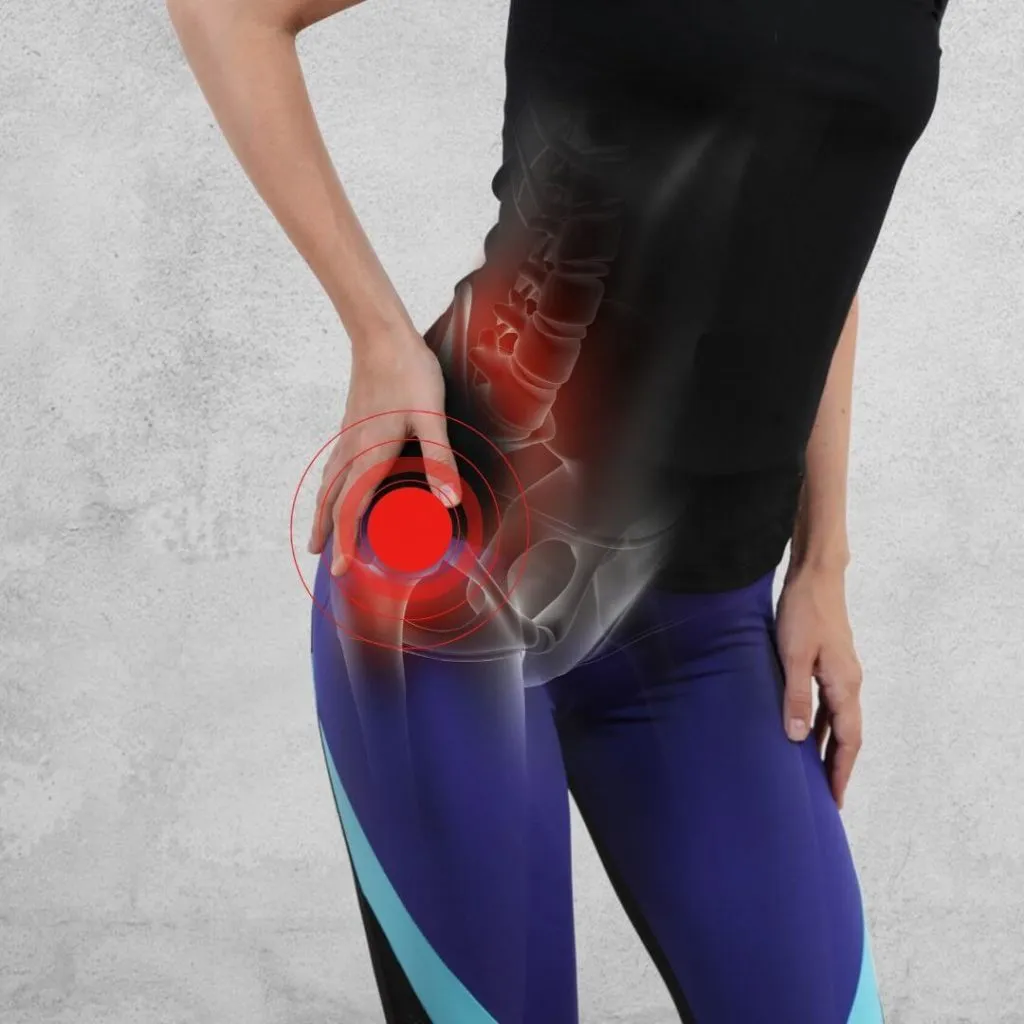
Sciatica refers to pain that radiates along the path of the sciatic nerve, which branches from your lower back through your hips and buttocks and down each leg. It most commonly occurs when a herniated disk or a bone spur on compresses part of the nerve. This condition can cause significant discomfort, and while many individuals find relief through self-care measures, some situations warrant professional medical attention. Understanding sciatica symptoms and knowing when to seek help are significant steps in managing the condition.
Common Symptoms
Sciatica symptoms can vary widely; they range from a mild, persistent ache to a sharp, burning sensation to severe, debilitating discomfort. This type of pain is often localized to one side of the body, making it easier to identify. Understanding and recognizing the signs, such as sudden sharp pain down one leg or persistent tingling, can help you better interpret what you might be experiencing and determine when to seek further advice or treatment.
Common symptoms associated with sciatica include:
- Pain that radiates from your lower spine to your buttock and down the back of your leg.
- Numbness, tingling, or muscle weakness in the affected leg or foot.
- A sensation of burning or tingling down the leg.
- Pain that worsens with prolonged sitting or standing.
- A sharp pain that may make it difficult to stand up or to walk.
At-Home Treatments
For many people, sciatica responds well to at-home care. These approaches focus on reducing discomfort and improving mobility without medical intervention. Gentle stretching can help relieve pressure on the sciatic nerve, and alternating between ice packs and heating pads may reduce inflammation and soothe muscle tension.
Maintaining light activity is also beneficial; avoid prolonged bed rest, as it can worsen symptoms. Short walks and other low-impact exercises may help reduce inflammation and strengthen your back muscles. Over-the-counter pain relievers may provide temporary relief, but you should use them as directed. Modifying your daily activities to avoid movements that trigger pain can also provide significant relief.
Professional Help
At-home treatments may be effective, but it is advisable to know when to consult a healthcare provider. If your pain does not improve within a few weeks or becomes progressively worse, seeking professional advice is recommended. A healthcare provider can perform a physical exam. They may recommend imaging tests to determine the underlying cause of your sciatica. You should seek immediate medical attention if you experience sudden, severe pain in your lower back or leg accompanied by numbness or muscle weakness. If the pain follows a violent injury, such as a traffic accident, you need to see a doctor right away. Experiencing trouble with bowel or bladder control is a sign of a rare but serious condition that requires emergency care.
Ask About Sciatica Symptoms Today
Managing sciatica begins with recognizing its symptoms and understanding your options. If your discomfort persists or interferes with your daily life, consulting a healthcare professional is recommended. They can provide an accurate diagnosis, and they may guide you toward an appropriate treatment plan for your specific situation. Taking a proactive approach can help you manage your symptoms effectively.