Identifying Common Causes of Knee Pain in Adults
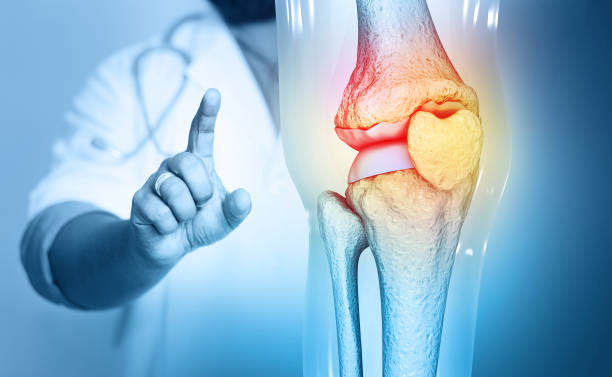
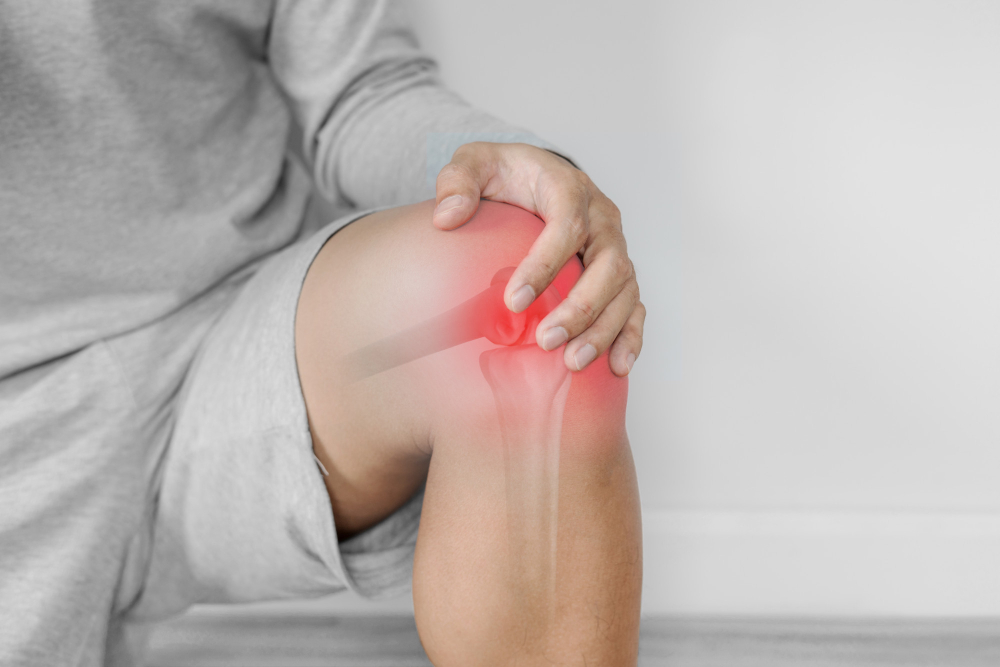
Knee pain is a common complaint among adults and significantly affects mobility, productivity, and overall quality of life. Because the knee joint bears substantial weight and endures repetitive stress, it is particularly vulnerable to injury, degeneration, and inflammation. Identifying the underlying causes of knee pain is necessary for accurate diagnosis and effective treatment.
Acute Injuries & Trauma
Sudden injuries can cause immediate knee pain and limit your mobility. These typically happen during sports, accidents, or unexpected movements that stress the knee beyond its normal range.
- Ligament tears are common knee injuries that affect joint stability. The ACL often tears during sudden stops or direction changes.
- Meniscus tears damage the cartilage cushioning the knee joint, often caused by twisting. Symptoms include sharp pain and knee locking.
- Fractures around the knee result from high-impact injuries, such as falls. Swelling and severe pain usually follow a fracture immediately.
Most acute injuries cause rapid swelling, bruising, and difficulty walking. Getting prompt evaluation helps prevent long-term complications and starts your recovery on the right path.
Degenerative & Age-Related Conditions
Time takes its toll on your knees. Years of use gradually wear down the structures that keep your knee functioning smoothly, leading to chronic knee pain that develops over months or years.
- Osteoarthritis is the most common form of knee arthritis, where protective cartilage breaks down. You might feel morning stiffness, grinding sensations, and pain after inactivity or overuse.
- Degenerative meniscal tears develop gradually as the meniscus weakens and frays with age. These tears often cause a persistent ache and occasional swelling during routine activities.
- Tendon degeneration happens when tendons lose strength and flexibility over time. This can cause pain at the front of your knee when straightening your leg.
Age-related changes progress differently for everyone. Maintaining a healthy weight and staying active with low-impact exercises helps slow these degenerative processes.
Inflammatory & Medical Conditions
Several medical conditions can trigger knee inflammation and pain that isn’t directly related to injury or wear and tear. These conditions affect the entire body but often manifest prominently in the knees.
- Rheumatoid arthritis is an autoimmune disease that causes your immune system to attack the lining of your joints. It typically affects both knees, causing redness, warmth, and morning stiffness lasting for hours.
- Gout occurs when uric acid crystals build up in joints, causing sudden, intense pain. It often affects the big toe but can severely impact the knee.
- Infections of the knee, such as septic arthritis, are rare but serious and require immediate treatment. Symptoms include severe pain, swelling, fever, and a hot, red skin over the joint.
Medical conditions that cause knee inflammation often require specialized treatments beyond standard pain management. Blood tests, joint fluid analysis, or imaging studies help identify the underlying causes.
Biomechanical & Lifestyle Factors
How you move and what you do each day significantly impacts your knee health. Certain movement patterns and lifestyle choices gradually stress your knees, leading to pain that may seem to have no clear cause.
- Overuse injuries happen from repetitive stress without enough rest. This causes a dull ache around the kneecap that worsens with activity.
- Poor biomechanics, such as flat feet or misaligned legs, can add stress to your knees. This uneven pressure causes wear and tear, leading to preventable pain.
- Muscle imbalances and weakness make your knees unstable. Weak muscles in your legs and hips fail to support your knee joint.
Making thoughtful adjustments to how you move and live will significantly reduce knee discomfort. Strengthening exercises and maintaining a healthy weight all contribute to healthier knees.
Book a Knee Pain Consultation
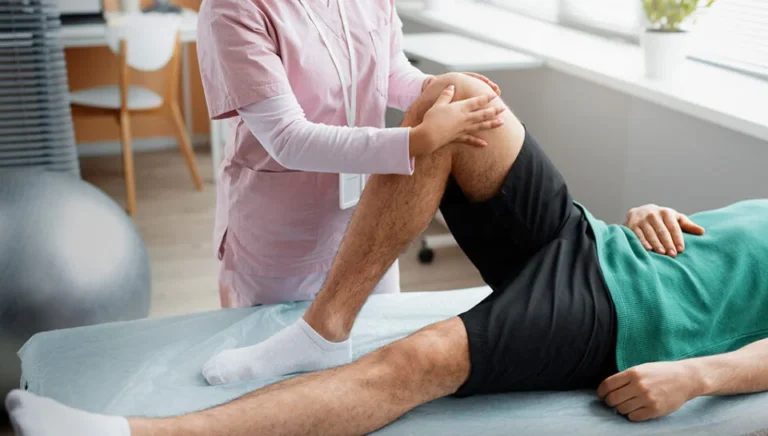
Identifying the cause of your knee discomfort helps you seek appropriate treatment. Whether your painful knee stems from an acute injury or degenerative changes, professional evaluation enables you to undergo a thorough treatment plan. Consult a knee pain specialist near you to begin your treatment plan. Don’t wait for knee pain to worsen.