How Vascular Surgeons Diagnose and Treat Vein Disorders
Vein disorders encompass various conditions that affect blood flow, ranging from cosmetic concerns to life-threatening clots. These issues affect many individuals, and symptoms like leg swelling are common indicators of underlying conditions. Vascular surgeons are medical experts in the vascular system, and they provide diagnosis and treatment for patients who need help. Here is more information about how vascular surgeons diagnose and treat vascular conditions:
Defining Vascular Surgeons
Vascular surgeons are specialists who care for the circulatory system outside of the heart and brain. They manage the health of veins and arteries to keep blood flowing properly, and they address issues throughout the body. Because they understand the vascular system deeply, they handle initial diagnosis, and they also execute the final treatment plan.
Treating Specific Conditions
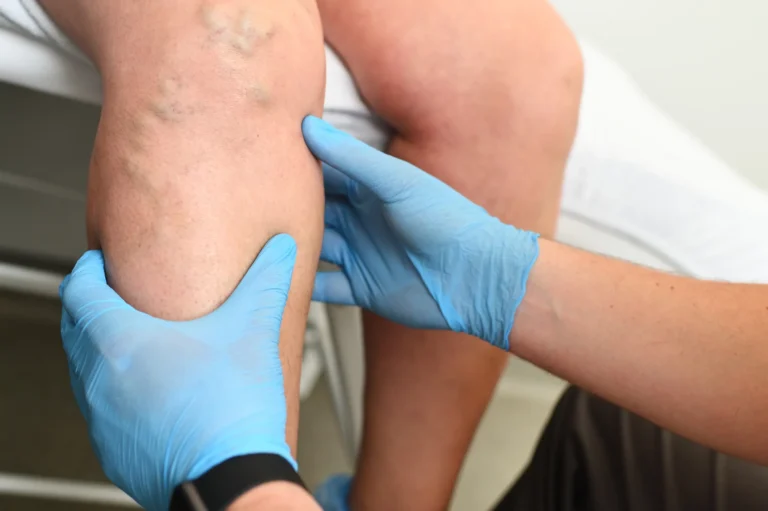
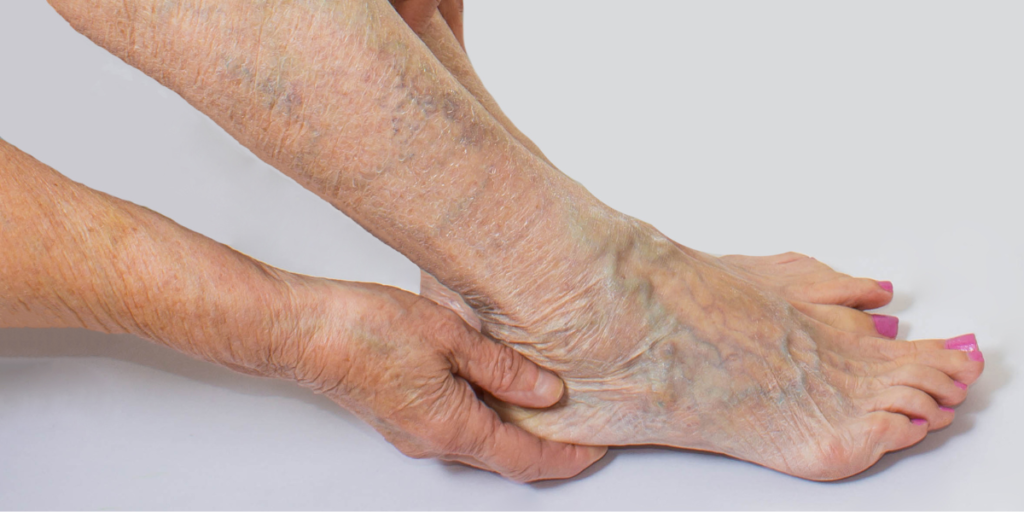
A vascular surgeon addresses a wide spectrum of venous issues that affect daily life. Varicose and spider veins are common conditions, and surgeons manage both functional and cosmetic issues relating to these bothersome veins. They diagnose deep vein thrombosis, or DVT. Pulmonary embolisms are complications associated with DVT, so surgeons provide care for this condition as well.
Another service a vascular surgeon may offer is venous compression, and they may also create dialysis access for patients who need it. Chronic venous insufficiency causes ulcers, and vascular surgeons often provide wound care services to help with ulcers. Symptom management is available for leg pain. If swelling is a symptom, the medical team can diagnose the cause and treat it.
Using Diagnostic Tools
The surgical team can find the root cause of issues, and they use specialized testing to do so. They may offer vascular ultrasound testing to evaluate blood vessels. Because accurate diagnosis helps the provider create an adequate treatment plan, the provider may utilize imaging to create detailed views from inside the vessel. While they plan treatment, providers may use these methods:
- Intravascular Ultrasound, or IVUS: Providers use IVUS imaging to create detailed images from inside the blood vessel to aid in diagnosis.
- Sclerotherapy: This procedure treats spider veins and varicose veins.
- Endovenous laser therapy: The provider uses a laser to close off damaged veins.
- Thrombolysis: The provider injects a clot-dissolving drug through a catheter directly into the clot.
Recognizing Warning Signs
You might notice physical changes that suggest a need for professional evaluation. Common symptoms associated with vein disorders include persistent leg swelling and wounds that will not heal. You might feel leg cramping, or you might experience persistent pain. If you experience these issues, a specialist can help, and they can diagnose any underlying conditions and provide treatment to relieve the discomfort.
Learn More About Vascular Surgery
Vascular surgeons manage everything from cosmetic spider veins to serious clots like DVT. They utilize tools like intravascular ultrasound, and they can find the source of the problem. Because they specialize in these conditions, providers can diagnose and treat venous conditions. If you are experiencing symptoms of a vascular condition, seek help from a qualified surgeon. If you want to learn more about how vascular surgeons treat vein disorders, consult a vascular surgeon today.