
How to Treat and Prevent Foot Fungus
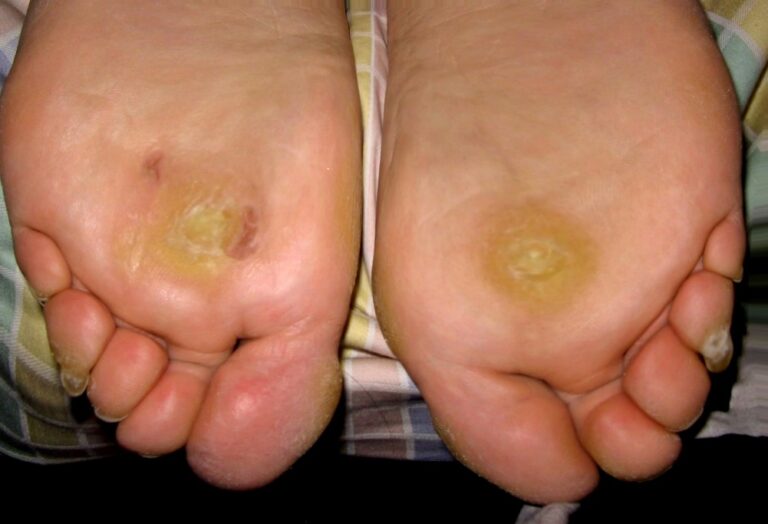
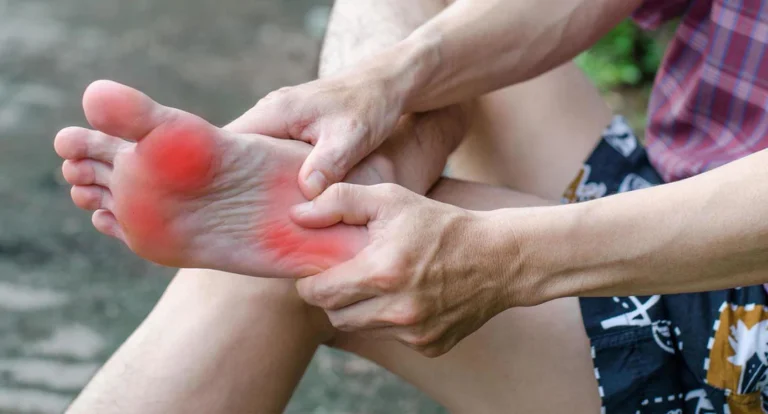
Dealing with foot fungus is an experience for some people. It can be uncomfortable, but you have several options for managing it. Learn practical steps to treat the infection and stop it from returning. By following this education, you can regain comfort and maintain healthy feet.
Medical Treatments for Foot Fungus
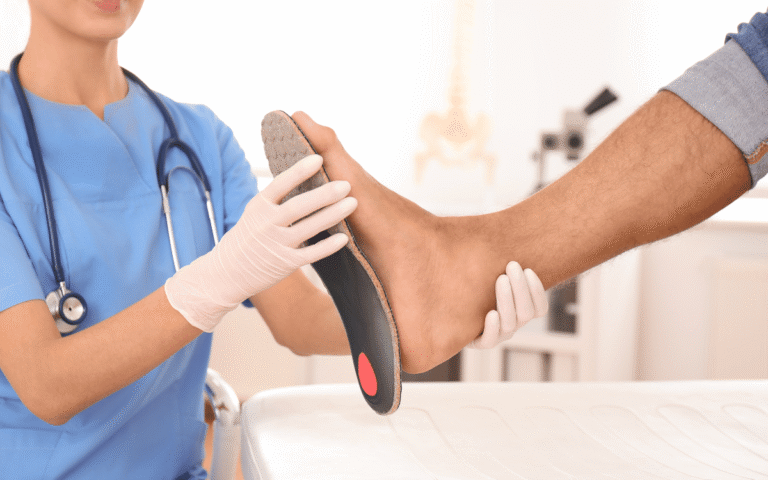
Medical intervention is often necessary if infections persist. Consult a healthcare provider if over-the-counter options do not provide relief after reasonable use. Doctors may prescribe stronger treatments to address persistent or severe foot fungus. Prescription-strength topical medications are applied directly to the skin; use these creams or ointments as directed by your provider. Oral medications enter your bloodstream. They target the infection from within. These are used for widespread or recurring cases and usually require longer treatment, sometimes for weeks or months. Your doctor may select a medication based on your health and the fungus involved; sometimes, lab tests help monitor progress and detect side effects.
Complement medical treatment with good hygiene practices to support recovery and prevent reinfection. Fungi thrive in moist environments, so keeping the affected area clean and dry limits fungal growth. Avoid sharing personal items like towels, clothing, or shoes, as this can spread the infection. Wear breathable fabrics and choose footwear that allows proper ventilation for practical benefits. For individuals prone to fungal infections, routine monitoring and early intervention improve symptom management. A proactive approach can enhance outcomes.
Home Remedies and Daily Care
Simple home routines support your recovery and help prevent fungal spread. Home remedies like soaking your feet in diluted vinegar or saline solutions limit fungal growth; some people try tea tree oil or antifungal sprays. Use home remedies with care. Stop if you notice irritation or discomfort. Keep your feet clean; wash them daily with soap and water, and dry well between your toes. Moisture allows fungus to multiply quickly, so keep your feet as dry as possible. Use a separate towel for your feet to avoid spreading infection to other parts of your body. Practicing good hygiene daily makes it harder for fungus to persist. If you check your feet regularly for changes, it’s easier to track progress.
Prevent Future Infections
Long-term foot health depends on habits. Wear footwear in public spaces like locker rooms, gyms, or pools, because fungi spread easily on damp surfaces. Change your socks daily or more often if your feet sweat; use socks that wick away moisture. Choose shoes with good ventilation for airflow and dryness; rotate footwear so each pair has a chance to air out. Do not share shoes, socks, towels, rugs, or mats with others to reduce the spread of fungus. Disinfect shoes regularly and wash socks and bed linens in hot water. If you keep your toenails trimmed, it may also help prevent fungus. In hotels or spas, wear your own slippers or sandals to avoid germs on shared floors. A few simple changes to your daily routine can help protect you from foot fungus.
Take Action Today
If you seek treatment as soon as you notice signs, your speed may aid recovery. Early attention can stop the infection from spreading to your nails or other body parts. Addressing the problem early also helps prevent long-term discomfort. Consult a healthcare professional for the most suitable treatment and guidance. Your feet support you every day, so taking care of them is an investment in your comfort and mobility.