How To Prepare for Your Ophthalmologist Appointment
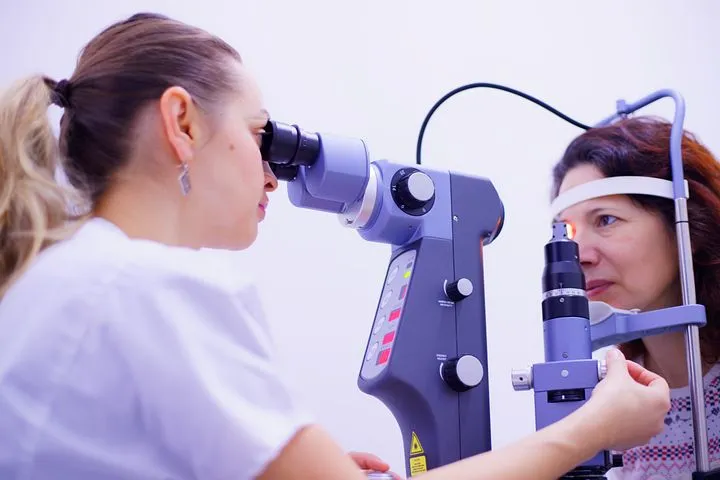
An ophthalmologist specializes in eye and vision care, and they can provide various services. They diagnose and treat eye diseases, perform eye surgery, and prescribe eyeglasses and contact lenses to correct vision problems. Because they are medical doctors, they accurately assess your eye health. Here is more information on how to prepare for your next appointment:
Bring All Current Glasses
Gather every pair of glasses you currently use for your appointment. This includes your prescription sunglasses, reading glasses, and your primary everyday eyewear, even if the prescription feels outdated or ineffective. While the doctor needs to see what you use now, bringing them allows for a direct comparison with new findings.
This step may save time during the exam. If you wear contact lenses, bring the boxes or a photo of the packaging so the doctor knows the brand and parameters. Pack your eyewear, and you can verify that you have cases for each pair to keep them safe during transport.
Gather Any Needed Documents
Medical history provides the foundation for accurate diagnosis and treatment. You need to compile a list of current medications, including dosages, supplements, and any over-the-counter drugs you take regularly. While it takes time to write this down, a complete list helps the doctor identify potential drug interactions or side effects affecting your vision.
Insurance cards are necessary for administrative processing. Some offices require a physical card to verify coverage before the appointment begins, so you must have it ready. When you arrive prepared with these items, the check-in process moves faster and allows staff to focus on your medical care.
Previous records should be gathered, and they offer valuable context for your current eye health status. If you have seen other eye doctors in the past, request that those records be sent to the new office ahead of time. Having a historical view of your eye health allows the ophthalmologist to track changes or progression of conditions more effectively.
Prepare Questions
Writing down questions helps you remember specific concerns during the exam. Many patients forget to ask about minor symptoms once they sit in the exam chair, but a written list keeps the conversation focused. You might want to ask about:
- Dryness or irritation
- Blurred vision at specific times
- Family-related history risks
- New treatment options
The doctor appreciates specific inquiries about your eye health. When you ask direct questions, you receive clearer answers that apply directly to your situation and lifestyle needs. A prepared patient gets more value out of the limited time available during a consultation.
Arrange for a Driver
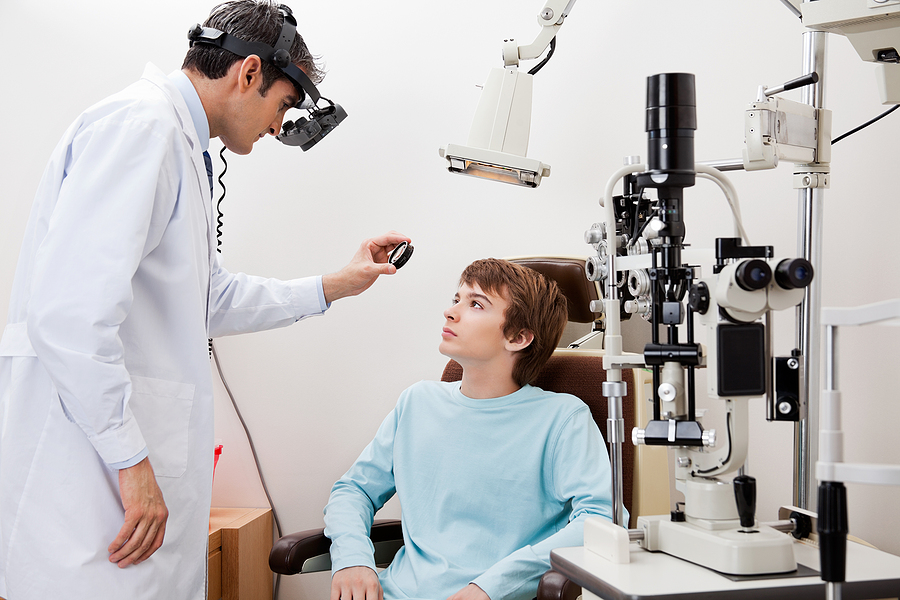
Pupil dilation makes your eyes extremely sensitive to light and blurs your close-up vision for several hours. The drops used for this exam widen the pupil to allow the doctor a better view of the back of the eye. Because driving safely becomes difficult or impossible after dilation, you must arrange for someone else to drive you home.
Visit an Ophthalmologist Today
Regular eye exams detect problems early when they may be more treatable. An ophthalmologist possesses the specialized training required to manage complex eye conditions and preserve your vision for the future. Contact a local eye care clinic today to schedule your comprehensive exam and take the next step toward better eye health.