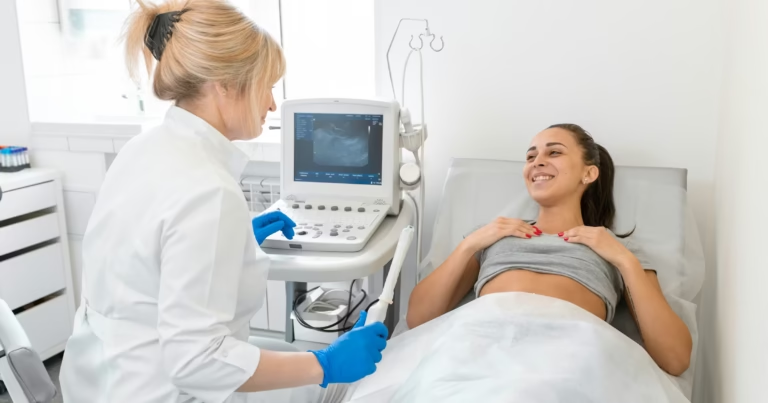

How To Prepare for Your First Obstetrics Appointment
An initial obstetrics appointment establishes a baseline for maternal and fetal health, and it allows healthcare providers to gather necessary medical history. The primary goal of this first meeting is to confirm the pregnancy and estimate the due date. By understanding the patient’s medical background, the provider can tailor prenatal care to specific needs. Here is more information on the key aspects of obstetrical care and preparation for the initial visit:
What Is Obstetrics?
Obstetrics is the branch of medicine focused on pregnancy, childbirth, and the postpartum period. Obstetricians are medical doctors who specialize in the care of women during pregnancy and childbirth. They provide comprehensive medical and surgical care, and they work to improve the health of both the mother and the baby.
What Are the Available Services?
Obstetric care encompasses a wide range of services, and they are designed to support a healthy pregnancy. Prenatal care involves regular check-ups to monitor fetal growth and maternal health indicators, such as blood pressure. These visits increase in frequency as the due date approaches.
Diagnostic testing is a core component of obstetrical services. Ultrasounds are used to visualize the fetus, check for abnormalities, and confirm gestational age. Labor and delivery management is the culmination of obstetrical care. Obstetricians oversee the birthing process, and they manage the postpartum period.
What Conditions Do Obstetricians Treat?
Obstetricians manage various conditions that can affect reproductive health and pregnancy. Uterine fibroids are noncancerous growths of the uterus that can cause pain or complications during pregnancy. Ovarian cysts are fluid-filled sacs that develop on the ovaries, and they require careful monitoring.
Pelvic inflammatory disease (PID) is an infection of the reproductive organs that can impact fertility. Endometriosis involves tissue similar to the uterus lining growing outside the uterus, and this causes pain and potential fertility issues. These conditions require professional care to optimize reproductive outcomes.
Obstetricians also address acute issues such as ectopic pregnancy, where a fertilized egg implants outside the uterus. Ovulation pain and urinary tract infections (UTIs) are common concerns that are diagnosed and treated within this specialty. Prompt treatment of these conditions protects maternal health, and obstetricians help preserve future fertility.
What Does an Appointment Involve?
The first appointment typically begins with a comprehensive review of medical history. The provider may ask about menstrual cycles, previous pregnancies, and any chronic conditions; this information helps assess risk and plan appropriate care. A physical examination follows, typically including a pelvic exam and a Pap smear if due. Vital signs, including weight and blood pressure, are recorded to establish a baseline.
How Can You Prepare?
Preparation for the appointment can streamline the process and maximize the time with the provider. Compiling a list of all current medications, including supplements and over-the-counter drugs, is beneficial. This allows the doctor to evaluate safety during pregnancy, and it helps them plan appropriate treatment.
Gathering family medical history is another step in preparation. Information about genetic conditions or pregnancy complications in relatives can be relevant to current care, and bringing medical records from previous providers provides valuable context. Writing down questions beforehand makes sure all concerns are addressed during the visit.
Prepare for Your Appointment Today
Understanding the scope of obstetrics and what occurs during an initial visit provides clarity for expectant mothers. By organizing medical information and formulating questions, patients actively participate in their prenatal care. Consult a specialist and learn more about how to prepare for your appointment.