How to Prepare for Your First In Vitro Fertilization Cycle
In vitro fertilization (IVF) is a commonly used assisted reproductive technology for individuals and couples seeking to have a child. Preparing for an IVF cycle involves understanding the procedures involved, a multi-stage process that can take weeks to complete. This can include coordinating logistics and managing physical health outside of the fertility clinic.
What Is In Vitro Fertilization?
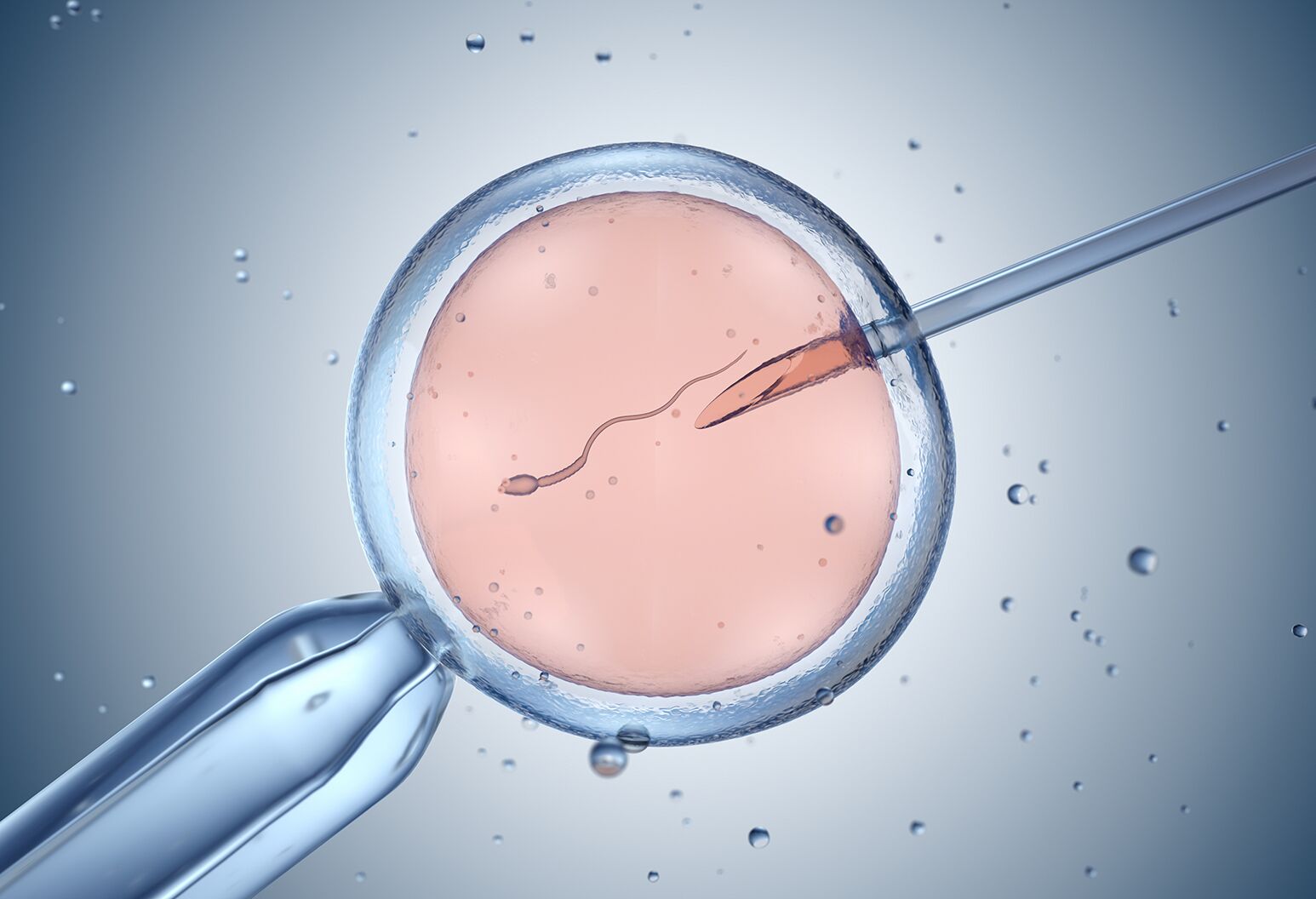
In vitro fertilization consists of a series of medical procedures that assist with conception. The process involves retrieving mature eggs from the ovaries and fertilizing them with sperm in a laboratory. The resulting embryo is then transferred to the uterus. One IVF cycle usually spans about three weeks, although timing can vary if certain steps are split. In IVF, the eggs and sperm may come from the individuals undergoing treatment or from donors. Some cases require the assistance of a gestational carrier, who receives an embryo transferred to her uterus.
What Does It Involve?
IVF is completed in stages. Preparation includes medical evaluations, which is followed by a structured process. Before treatment, patients and partners undergo screening. These may include assessments of ovarian reserve, semen quality, and uterine health. Screening helps to plan the most appropriate course for the cycle.
Ovarian Stimulation
For those using their own eggs, stimulation medications are used to encourage the ovaries to produce multiple eggs. This is because not every egg will necessarily fertilize or develop as intended. Hormonal medications are administered through injections according to a schedule set by the fertility team.
Egg Retrieval
Following the final medication injection, egg retrieval is conducted. This office or clinic procedure is typically performed with sedation. A transvaginal ultrasound can be used for guidance, and a needle is passed through the vaginal wall to access the ovaries and collect the eggs.
Sperm Collection and Fertilization
On the day of egg retrieval, a semen sample is usually provided by the partner or acquired from a donor. Laboratory staff then isolate healthy sperm for use in fertilization. Embryos are cultured in the laboratory for a few days. The transfer procedure is scheduled around five days after egg retrieval. An embryo (or embryos) is placed in a thin catheter and transferred through the cervix into the uterus. The procedure is brief, often not requiring anesthesia, though mild sedation or pain relief may be offered. Mild cramping can result.
How Can You Prepare?
Proactive steps in preparation can support the treatment process, from physical health to logistics and lifestyle preparations. Share a complete list of all medications and dietary supplements with your fertility provider. Some substances can affect fertility or interact with prescribed treatments.
A balanced diet and appropriate body weight are associated with fertility outcomes. It is advisable to stop tobacco use and avoid alcohol, both of which can affect egg and sperm quality. IVF cycles require multiple appointments for monitoring, lab work, and procedures, some of which occur early in the morning or on short notice. Adjusting work schedules and arranging reliable transportation minimizes disruption.
Seek Professional Fertility Services
Connect with a reproductive specialist for consultation and treatment planning. They evaluate individual medical history and fertility profiles, recommending approaches tailored to your needs. Early engagement with a fertility specialist allows for comprehensive assessment and provides access to resources throughout the IVF journey.