
How To Prepare for Your First Appointment With a Cardiologist
A first visit with a cardiologist is a fundamental step in understanding heart-related symptoms, evaluating risk factors, and creating a clear plan for prevention or treatment. Arriving prepared for the appointment can help your cardiologist make an accurate assessment and use the time effectively. Here’s more information on preparing for your first appointment with a cardiologist:
Gathering Key Health Info
Your cardiologist needs specific information to accurately assess your heart health. Compile your complete medical history, including previous diagnoses, surgeries, and hospitalizations, and document all current medications with dosages and frequencies. Bring records of recent medical tests, particularly those related to heart function.
Include results from electrocardiograms, echocardiograms, stress tests, or blood work. If you’ve seen other specialists or had procedures, request those records in advance and bring them to your appointment. Prepare a detailed family medical history focusing on cardiovascular conditions. This information helps your cardiologist assess your genetic risk factors and guides treatment decisions.
Preparing for Your Visit
Physical preparation can improve the accuracy of diagnostic tests and assessments during your appointment. Here are key guidelines you can follow:
- Wear comfortable, loose-fitting clothing that allows easy access to your chest and arms for physical examinations and potential testing
- Avoid caffeine for at least 12 hours before your appointment, as it can affect heart rate and blood pressure readings
- Take your regular medications unless instructed otherwise by your referring physician
- Eat a light meal several hours before your visit to prevent fasting-related dizziness during tests
Some diagnostic tests require specific preparation; confirm any further instructions when scheduling your appointment.
Walking Through First Visits
Your initial visit generally begins with a detailed conversation about your symptoms and medical history. The cardiologist will ask about chest pain, shortness of breath, irregular heartbeats, fatigue, or other cardiovascular symptoms. Be prepared to describe when symptoms occur, their severity, and what triggers or relieves them.
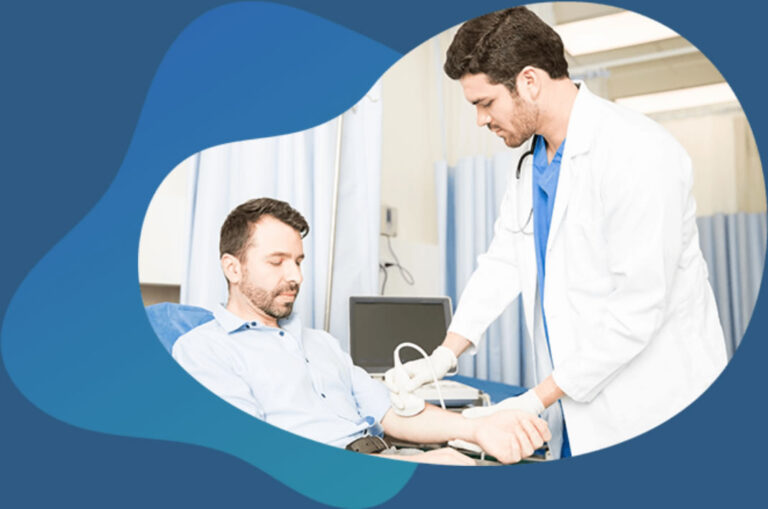
The physical examination includes measuring your blood pressure, heart rate, and oxygen levels. Your cardiologist will listen to your heart and lungs with a stethoscope and check for swelling in your legs and feet. They will also examine your pulse points. These assessments help identify signs of heart disease or circulation problems.
Diagnostic testing may be performed during your first visit or scheduled separately. Common tests include an electrocardiogram to record your heart’s electrical activity and an echocardiogram to visualize heart structure and function. Your cardiologist will explain which tests are needed based on your symptoms and risk factors.
Asking Questions
Asking questions helps you understand your cardiovascular health and treatment options. Here are some questions you can ask your cardiologist:
- What is my specific diagnosis, and what caused this condition?
- What treatment options are available, and what are the benefits and risks of each?
- What lifestyle changes should I make to improve my heart health?
- How often should I schedule follow-up appointments?
- What symptoms require immediate medical attention?
- Are there any restrictions on physical activity or diet?
Ask for clarification on any medical terms or concepts you don’t understand and request written materials or reliable resources for further information about your condition.
Book Your Cardiologist Appointment Today
Proper preparation transforms your first cardiologist visit into a productive step toward better heart health. Gathering your medical information and understanding what happens during the appointment can help you and your cardiologist develop an effective treatment plan. Contact a qualified cardiologist in your area to book your appointment today.