How Telehealth Supports Dermatology
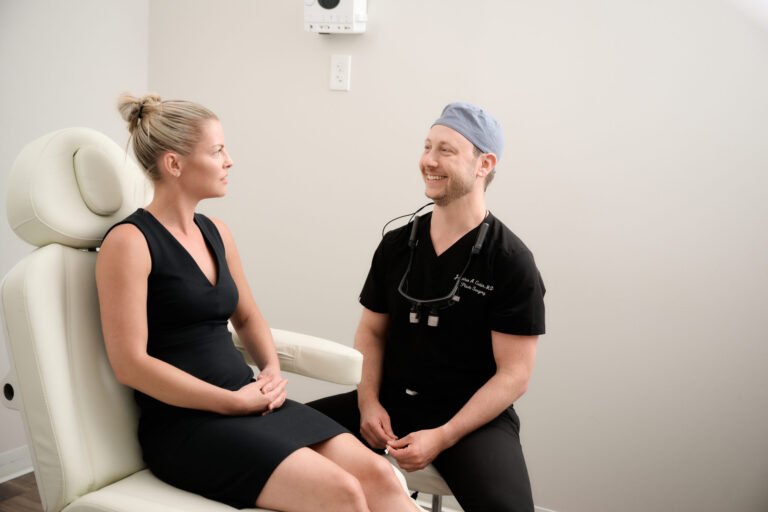
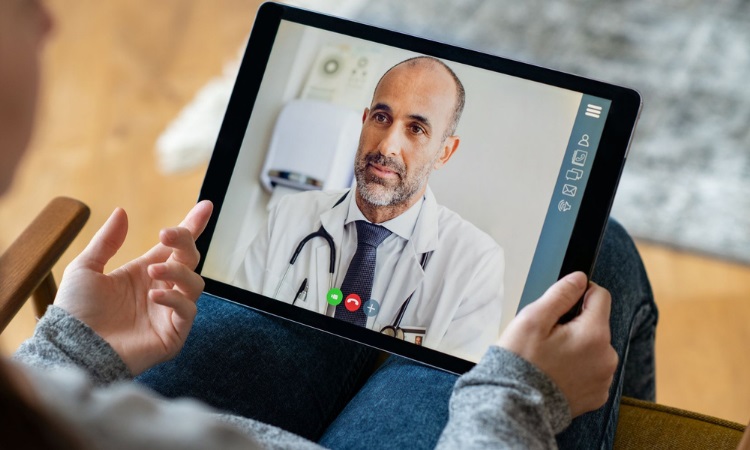
Technology has changed the way patients access healthcare services across many specialties. Dermatology is particularly well-suited for virtual care because skin conditions are often visual in nature. Through high-resolution photos and video calls, providers can examine skin issues remotely. This method allows patients to receive care from the comfort of their homes. Telehealth offers a convenient alternative to traditional office visits for many common skin concerns.
Which Conditions Are Treated?
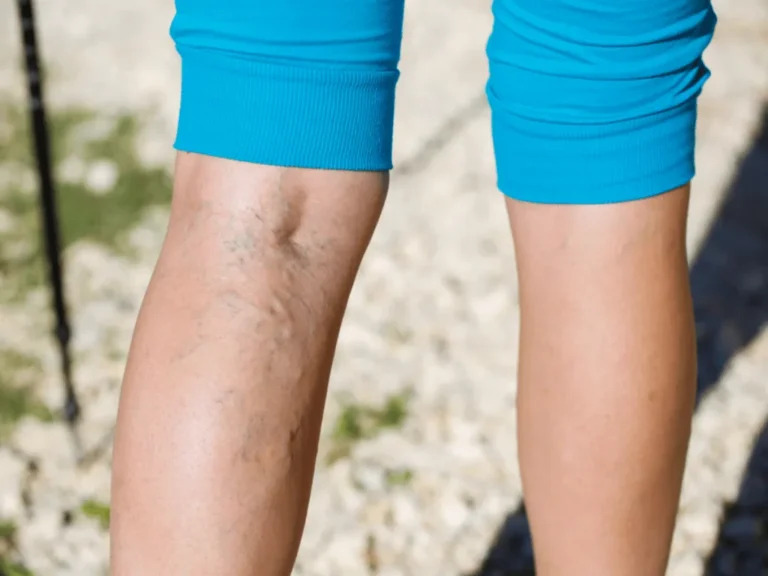
Providers can address numerous dermatological issues through virtual platforms. A visual examination often provides enough information for a diagnosis without physical contact. Patients upload images or show the affected area during a telehealth consultation. The provider reviews these visuals to determine a treatment plan.
Many common skin concerns fit this model well:
- Acne
- Eczema
- Psoriasis
- Rashes
- Rosacea
- Insect bites
- Cold sores
- Minor skin infections
After the consultation, the provider sends a summary of the visit. Prescriptions are sent directly to a local pharmacy if medication is necessary. Follow-up appointments can track progress and adjust treatments as needed.
What Are the Benefits?
Virtual care removes many barriers associated with traditional medical appointments, making it easier to see a specialist. Patients in rural areas can connect with dermatologists regardless of their location, helping them address skin issues sooner. This improved access also helps with time management, as virtual appointments eliminate travel time and can be scheduled more flexibly around your daily life.
Privacy is a priority in these digital interactions, with secure platforms protecting your health information. Many people feel more comfortable discussing sensitive skin issues from the comfort of their own homes. This can lead to more open communication, helping your provider better understand your symptoms and concerns.
When Is In-Person Needed?
While technology handles many situations, specific scenarios require a physical examination. Some conditions need a closer look or a tactile assessment that a camera cannot provide. Procedures such as biopsies or excisions must happen in a clinical setting. Providers will recommend an office visit if they suspect a more serious underlying issue.
The following situations typically require an in-person appointment:
- Full-body skin cancer screenings: Doctors need to check the entire body thoroughly for suspicious moles or lesions.
- Biopsies: A provider must physically remove a sample of tissue for laboratory testing.
- Cyst or growth removal: Surgical procedures require sterile environments and local anesthesia.
- Unclear diagnoses: If images are blurry or the condition is complex, a physical exam provides better clarity.
If a virtual visit reveals a need for physical care, the provider will guide the next steps. They can seamlessly transition the patient to an in-office schedule. This hybrid approach maximizes convenience while maintaining high standards of care.
Book a Telehealth Appointment
Taking care of your skin doesn’t have to be overwhelming or take up too much of your time. With the right guidance, a simple and effective routine can make a big difference. By connecting with a qualified provider, you can discuss your unique needs, whether it’s managing acne, addressing dryness, or enhancing overall skin health. Schedule your telehealth visit today and take the first step.