How Sports Medicine supports Student Athletes
Participating in athletics offers numerous benefits for students, ranging from physical fitness to learning teamwork. But the physical demands of competition can sometimes lead to injury or strain. This is where sports medicine plays a role in keeping young athletes healthy and active. This specialized field focuses on physical fitness and the treatment and prevention of injuries related to sports and exercise. It provides a comprehensive approach to athlete health.
What Is Sports Medicine?
Sports medicine focuses on physical fitness and the prevention and treatment of injuries related to sports and exercise. It’s not just for professional athletes—it includes a team of experts like physicians, athletic trainers, physical therapists, and nutritionists who work together to improve performance and aid recovery. These professionals understand the unique physical demands placed on athletes, especially students, during training and competition.
The primary goal is to help individuals exercise safely and effectively. Sports medicine practitioners diagnose and treat sports-related injuries while implementing strategies to prevent future issues. They also guide athletes on nutrition and conditioning, for proper fueling and training techniques to enhance performance and longevity. By addressing the whole athlete, they help students thrive both on and off the field.
How Does It Support Athletes?
Student athletes face unique physical challenges as their bodies are often still developing while enduring rigorous training schedules. A specialized approach helps manage these demands effectively. The support provided extends beyond just fixing a sprained ankle or a pulled muscle.
- Injury Prevention: Specialists assess movement patterns and physical limitations to identify potential risks before an injury occurs. They design specific conditioning programs to strengthen vulnerable areas.
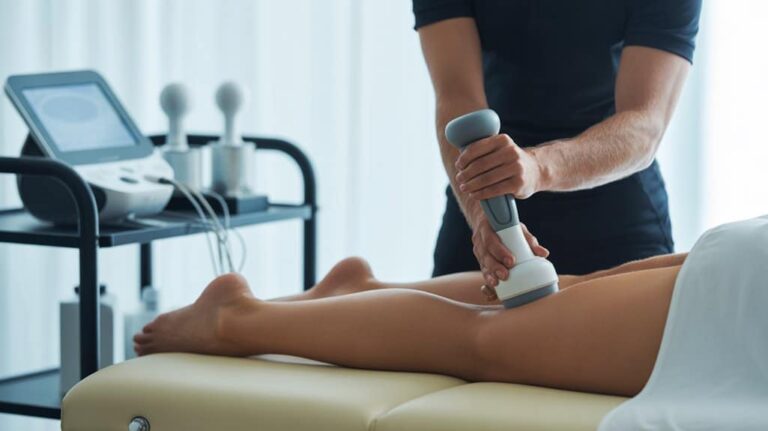
- Acute Care: Immediate assessment and treatment of injuries on the field or in the clinic help reduce recovery time. Quick intervention can prevent minor issues from becoming major setbacks.
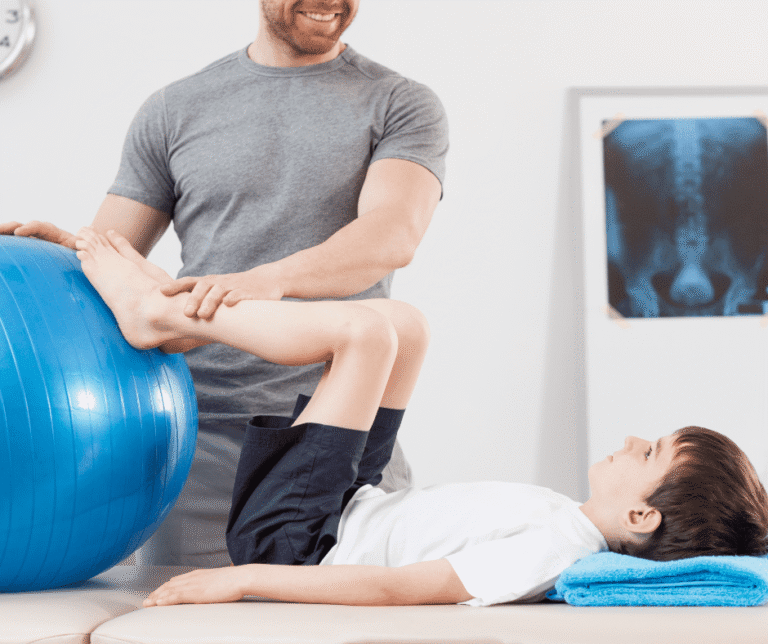
- Rehabilitation: Customized recovery plans help athletes return to their sport safely. These plans focus on restoring strength, flexibility, and function without rushing the process.
- Performance Enhancement: expert analysis of biomechanics can help athletes run faster, jump higher, or throw with more precision. Improving technique often leads to better results and fewer injuries.
This comprehensive support system creates a safer environment for student athletes to pursue their goals. It allows them to push their limits while minimizing the risk of long-term damage.
Which Injuries Are Common?
Certain injuries appear frequently among student athletes due to the nature of their activities and the intensity of their schedules. Understanding these common issues helps in early detection and treatment.
- Sprains and strains
- Fractures
- Concussions
- Tendinitis
- Dislocations
- Shin splints
- ACL tears
Recognizing the signs of these injuries early can lead to better outcomes. Ignoring pain or “playing through it” often exacerbates the problem. Parents and coaches play a role in monitoring athletes for these signs.
Consult a Specialist
If a student athlete experiences persistent pain or sustains an injury, seeking professional advice is the next step. A sports medicine specialist can provide a proper diagnosis and create a tailored treatment plan. Early intervention often leads to a smoother and faster recovery. Do not wait for symptoms to worsen before taking action. Schedule an appointment with a provider today to help the athlete return to the game safely and confidently.