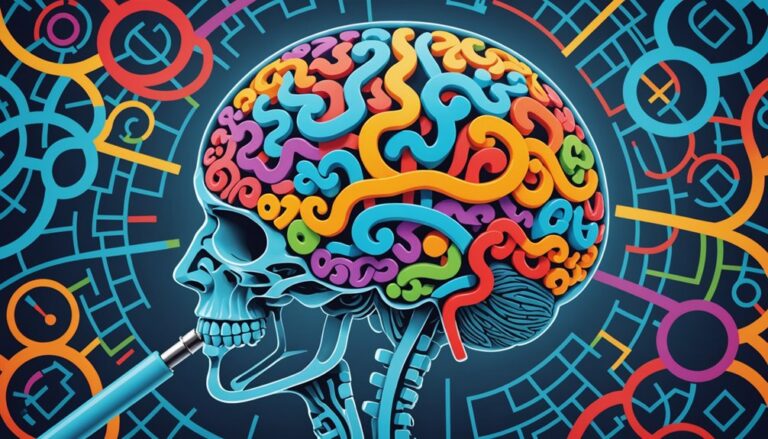

How Psychotherapy Addresses Trauma in Children
Trauma in children can manifest in various ways, affecting their emotional stability, behavior, and overall development. Time can heal some wounds, but significant psychological distress requires intervention to facilitate recovery and healthy growth. Psychotherapy offers a structured approach to help children process traumatic events and develop coping mechanisms for the future. Here is more information on trauma and psychotherapy:
What Is Psychotherapy?
Psychotherapy, also referred to as talk therapy, is a broad term for a variety of treatment techniques that aim to help a person identify and change troubling emotions, thoughts, and behaviors. For children, this process is adapted to be age-appropriate, and it potentially incorporates play and creative expression alongside verbal communication. It provides a safe environment where a child can express feelings they don’t have the vocabulary to articulate otherwise.
The goal is to alleviate distress and improve the child’s functioning at home, in school, and in social settings. Therapists may work collaboratively with parents and caregivers to create a supportive network around the child. This collaboration reinforces the strategies learned during sessions, and it promotes consistency in the child’s daily life.
What Does It Involve?
The therapeutic process typically begins with an initial assessment to understand the child’s history, symptoms, and the nature of the trauma. This phase helps the therapist determine the most suitable therapeutic modality, such as cognitive behavioral therapy (CBT), and each modality offers distinct tools for addressing different aspects of trauma. Sessions may be conducted regularly, providing a predictable routine for the child. During these sessions, the therapist utilizes various techniques to help the child process painful memories.
What Causes Trauma in Children?
Trauma in childhood can stem from a wide range of adverse experiences, both acute and chronic. Acute trauma results from a single distressing event, such as a natural disaster, a car accident, or a sudden loss of a loved one. These events can leave a lasting imprint on a child’s psyche, and it leads to symptoms like anxiety, nightmares, or behavioral regression.
Chronic trauma arises from repeated and prolonged exposure to highly stressful events. Examples include ongoing physical or emotional abuse, neglect, domestic violence, or living in a war zone. This type of trauma may affect the child’s developing brain and attachment systems, so identifying the root cause is beneficial.
How Is Trauma Addressed?
Psychotherapy addresses trauma by helping the child reframe their understanding of the traumatic event. In trauma-focused CBT, children may learn to recognize the connection between their thoughts, feelings, and behaviors. They may be taught skills to manage distressing thoughts and relax their bodies when they feel anxious. Therapists also focus on rebuilding the child’s sense of safety and trust, and they model healthy interactions and attachment.
How Is Professional Care Beneficial?
Professional mental health care provides expertise that is key for navigating the complexities of childhood trauma. Therapists are trained to distinguish between normal developmental challenges and symptoms of deeper psychological injury. They identify subtle signs of distress that may be overlooked by untrained observers, and this facilitates effective treatment.
Intervention can prevent the long-term consequences of untreated trauma, which can include academic difficulties and substance abuse. Early treatment promotes resilience, and it equips the child with tools to handle future stressors. It sets a foundation for emotional stability that lasts a lifetime.
Seek Professional Help Now
Recognizing the signs of trauma and seeking professional help is key to a child’s recovery. If your child exhibits persistent changes in mood, behavior, or sleep patterns, consult with a mental health professional. Early intervention can alter a child’s life, and it helps build resilience.