How Ophthalmologists Diagnose and Manage Glaucoma
Ophthalmologists play a significant role in diagnosing and managing glaucoma, a group of eye conditions that gradually damage the optic nerve and lead to irreversible vision loss. Glaucoma often presents without noticeable symptoms in its early stages, making comprehensive eye examinations fundamental for assessing risk and detecting progression. Here’s a closer look at how ophthalmologists diagnose and manage glaucoma:
Diagnosing Glaucoma Early
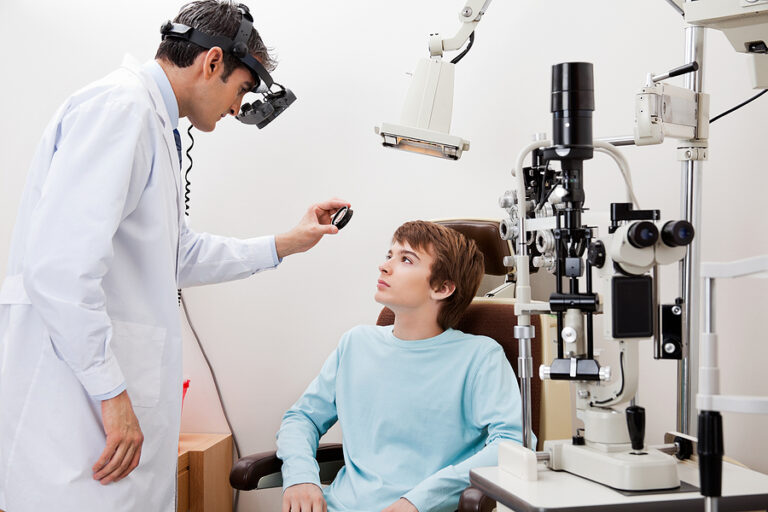
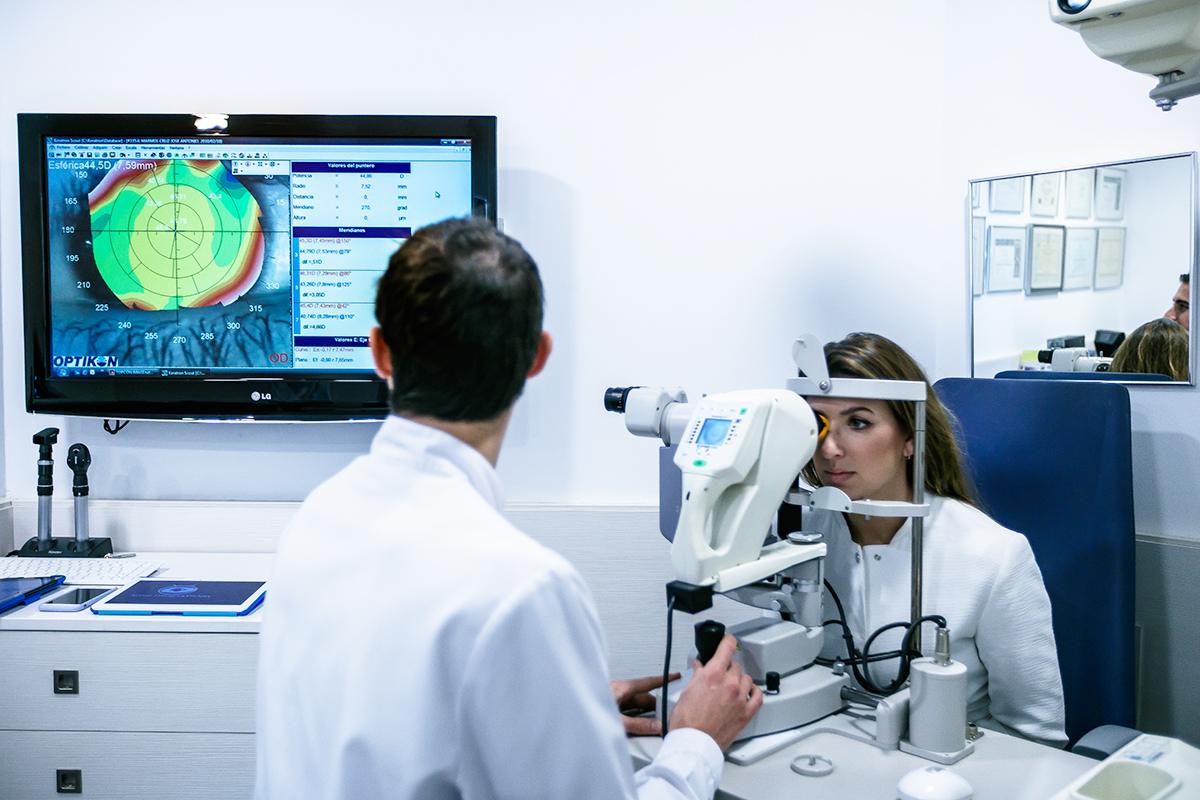
Ophthalmologists use a comprehensive eye exam to detect glaucoma. They review the patient’s medical history and use specialized instruments to measure various aspects of eye health. Here are standard tests ophthalmologists perform to diagnose this condition:
- Tonometry: This test measures the pressure inside the eye. The doctor may use a machine that releases a small puff of air or a specialized tool that gently touches the surface of the eye.
- Ophthalmoscopy: This procedure allows the ophthalmologist to examine the optic nerve’s shape and color. They use eye drops to dilate the pupil, which provides a clearer view of the back of the eye.
- Perimetry: This is also known as a visual field test. It produces a map of your entire visual field to determine whether glaucoma has affected your peripheral (side) vision.
- Pachymetry: This measures corneal thickness. People with thin corneas have a higher risk of developing glaucoma.
These tests help the doctor understand the current state of your eye health and function.
Confirming Type and Severity
Once the initial tests are complete, ophthalmologists review the data to determine the specific type of glaucoma. There are two main types: open-angle glaucoma and angle-closure glaucoma; angle-closure is regarded as a medical emergency. The doctor uses the gonioscopy results to determine whether the drainage angle is obstructed or inefficient.
The doctor will also evaluate the severity of the damage to the optic nerve. They assess the extent of peripheral vision loss and the physical appearance of the nerve. If the nerve looks cupped or pale, it suggests significant damage.
Managing Glaucoma Daily
Management focuses on lowering eye pressure to prevent further damage. Treatment cannot reverse existing damage, but it can prevent further damage. Here are the primary methods ophthalmologists use for daily management:
- Prescription Eye Drops: Some drops reduce the amount of fluid produced by the eye, and others help fluid flow better through the drainage angle.
- Oral Medications: If drops alone do not bring the pressure down to the desired level, the doctor may prescribe pills.
- Regular Monitoring: Patients must visit their ophthalmologist regularly to monitor their eye pressure.
Patients must use these medications regularly to make sure the pressure remains at a safe level.
Exploring Advanced Treatment Options
Sometimes medications do not lower eye pressure enough, or the side effects are too difficult to manage. Ophthalmologists may suggest laser therapy or surgery in these cases. Laser trabeculoplasty helps drain aqueous humor from the eye and is often performed in the physician’s office. The laser modifies the drainage tissue to help fluid exit the eye more easily.
Another option is filtering surgery, in which the surgeon creates a new opening for fluid to exit the eye. This is known as a trabeculectomy. For patients who need a less invasive option, Minimally Invasive Glaucoma Surgery (MIGS) is a helpful alternative. These procedures use tiny devices to improve drainage.
Ask Ophthalmologists About Glaucoma Today
Glaucoma is a serious condition, but it is manageable with the right clinical care. Regular eye exams are key to detecting the disease before it affects your vision permanently. If you have concerns about your eye health, contact an eye care practice near you to schedule a consultation with qualified ophthalmologists today.