How Neurological Surgeons Collaborate with Other Specialists
Neurological surgeons diagnose and treat disorders of the nervous system, and they manage conditions affecting the brain, spine, and peripheral nerves. While they possess specialized skills, patient care often demands input from multiple disciplines. They work alongside other doctors to create comprehensive strategies for complex medical issues. Here is how these surgeons collaborate with other specialists:
Combined Treatment Plans
Neurologists may partner with neurosurgeons when a patient presents with a condition such as epilepsy or Parkinson’s disease. The neurologist manages the medication regimen, and the surgeon intervenes if pharmaceutical treatments fail to control symptoms. To determine the ideal course of action for the individual, doctors may review diagnostic tests together. This partnership allows for a smooth transition between medical management and surgical intervention when necessary.
Oncologists may join the team when a patient receives a diagnosis of a brain tumor or spinal cancer. They determine the appropriate chemotherapy or radiation protocols, and the neurosurgeon removes the tumor mass safely. Because cancer treatment requires aggressive action, the team coordinates schedules to minimize delays in therapy.
Shared Surgical Procedures
Complex surgeries sometimes require two different specialists operating simultaneously in the operating room. An ENT (ear, nose, and throat) surgeon can access a tumor through the nasal cavity, while the neurosurgeon removes the growth from the brain base. This technique minimizes trauma to the brain tissue and often speeds up recovery times.
Orthopedic surgeons collaborate with neurosurgeons on intricate spinal procedures that involve bone fusion or deformity correction. The neurosurgeon focuses on decompressing the nerves, and the orthopedic surgeon stabilizes the spinal column with hardware. To do this, both specialists bring unique perspectives that enhance the overall structural integrity of the spine.
Plastic surgeons assist when large incisions or complex wound closures are necessary after a major cranial procedure. They make sure the scalp heals properly, and the neurosurgeon focuses on the underlying brain structures. The plastic surgeon’s expertise may reduce the risk of infection and improve the outcome for the patient.
Integrated Care
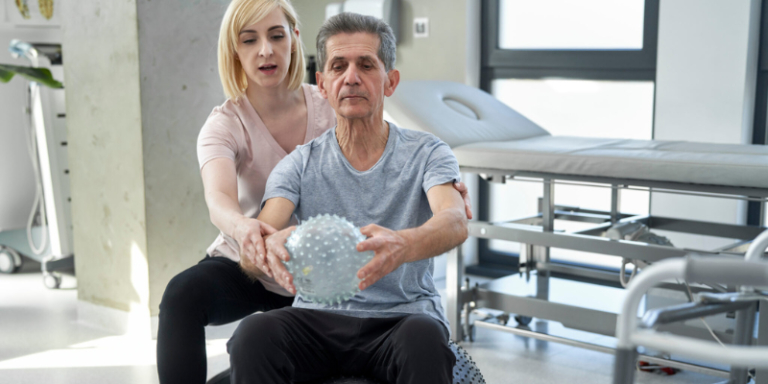
Rehabilitation specialists may become involved early in the recovery process to help patients regain lost functions. Physical therapists work on mobility and strength, while occupational therapists assist with daily living skills. Neurological surgeons might communicate precautions to the rehab team so therapy proceeds safely. This coordinated effort maximizes the patient’s potential for functional recovery after surgery.
Reduced Complications
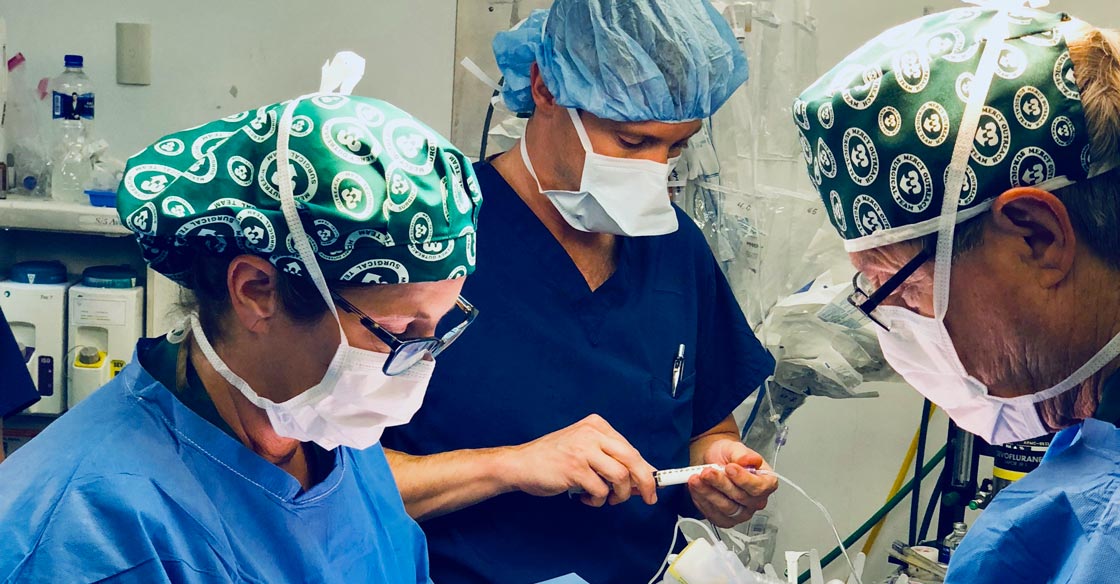
Collaboration helps medical teams identify potential risks before they become serious problems for the patient. Anesthesiologists monitor vital signs closely during surgery, and they alert the surgeon to any physiological changes immediately. When specialists communicate openly, they catch subtle warning signs early.
- Infection risks may decrease with proper protocol.
- Anesthesia times are typically shorter.
- Recovery periods may proceed more smoothly.
Internists or hospitalists manage a patient’s underlying health issues, such as diabetes or high blood pressure, during the hospital stay. They adjust medications as needed, and the neurosurgeon focuses on the neurological recovery. This division of labor makes sure that all aspects of a patient’s health receive attention. A stable medical condition supports the body’s ability to heal from surgical trauma.
Find Neurological Surgeons Near You
If you experience persistent symptoms affecting your nervous system, you benefit from a consultation. A neurological surgeon evaluates your condition thoroughly, and they will discuss potential treatment options with you. Getting an expert opinion allows you to make informed decisions about your health. Reach out to a specialist today to discuss your specific needs and questions.