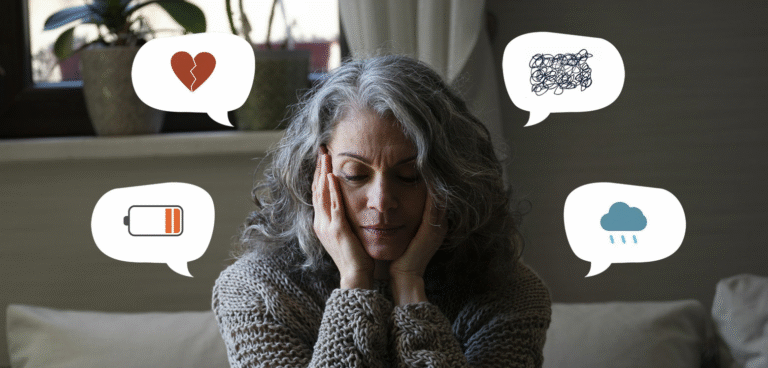

How a Child Psychiatrist Can Help with Anxiety and Depression
Anxiety and depression can look different in children than they do in adults, and symptoms are sometimes mistaken for behavior problems or school struggles. A child psychiatrist is a medical doctor who evaluates emotional and behavioral health in children and teens. Here is more information on how a pediatric psychiatrist can help with anxiety and depression:
Recognizing Referral Signs
It is often difficult for parents to distinguish between normal developmental changes and signs of a mental health disorder. Adolescence is generally a time of emotional change, but persistent symptoms may indicate a need for professional intervention. You should think about seeing a child psychiatrist if a child’s mood disrupts their daily life or prevents them from participating in routine activities.
Depression in children does not always look like sadness; it often presents as irritability or anger. A child may have frequent tantrums or withdraw from friends and family they previously enjoyed spending time with. Physical complaints such as stomachaches or headaches that have no clear medical cause can be somatic manifestations of emotional distress.
Understanding Key Differences
A child psychiatrist is a medical doctor who understands the complex interaction between physical health and mental well-being. Here are some of the unique capabilities of a pediatric psychiatrist:
- Medical Evaluation: They can determine if a physical illness is causing or contributing to the child’s psychological symptoms.
- Medication Management: As medical doctors, they can prescribe and monitor medications when necessary to manage severe symptoms.
- Comprehensive Diagnosis: They are trained to identify co-occurring conditions, such as ADHD or autism spectrum disorder, which may accompany anxiety or depression.
- Integrated Care: They coordinate with pediatricians and schools to make sure the treatment plan supports the child across all environments.
The comprehensive medical approach is helpful for complex cases where therapy alone has not yielded sufficient results.
Exploring Treatment Options
Once a diagnosis is established, a child psychiatrist develops a personalized treatment plan. This plan often includes a combination of therapies tailored to the specific type and severity of the anxiety or depression. The goal is to reduce symptoms and improve the child’s ability to function at home and in school.
Psychotherapy, often called talk therapy, is a primary treatment modality. Cognitive Behavioral Therapy (CBT) helps children identify negative thought patterns and replace them with more adaptive behaviors. Medication management is another key service provided by these specialists. While not every child requires medication, it can be a fundamental component of treatment for moderate to severe cases. The doctor will carefully select medications, monitor for side effects, and adjust dosages to achieve the best therapeutic outcome.
Preparing for the First Visit
The initial consultation with a child psychiatrist is primarily an information-gathering session. To make the most of the first appointment, parents should make sure they have the following information ready:
- Medical Records: Bring a list of current medications, past medical history, and previous psychiatric evaluations.
- School Reports: Recent report cards, teacher assessments, or Individualized Education Programs (IEPs) provide insight into academic and social functioning.
- Symptom Log: A written record of behavioral changes, noting when they started and what triggers them, is very helpful.
- Family History: Information regarding any history of mental health issues in the family is relevant for diagnosis.
The psychiatrist will review this information and likely interview both the parent and the child.
See a Child Psychiatrist Today
Recognizing that a child is struggling with anxiety or depression is the first step toward recovery. A child psychiatrist provides the therapeutic options necessary to manage these conditions effectively. Early diagnosis and comprehensive treatment provide the best opportunity for a child to regain their well-being and thrive. If you have concerns about your child’s mental health, contact a pediatric psychiatrist near you to schedule your appointment today.