
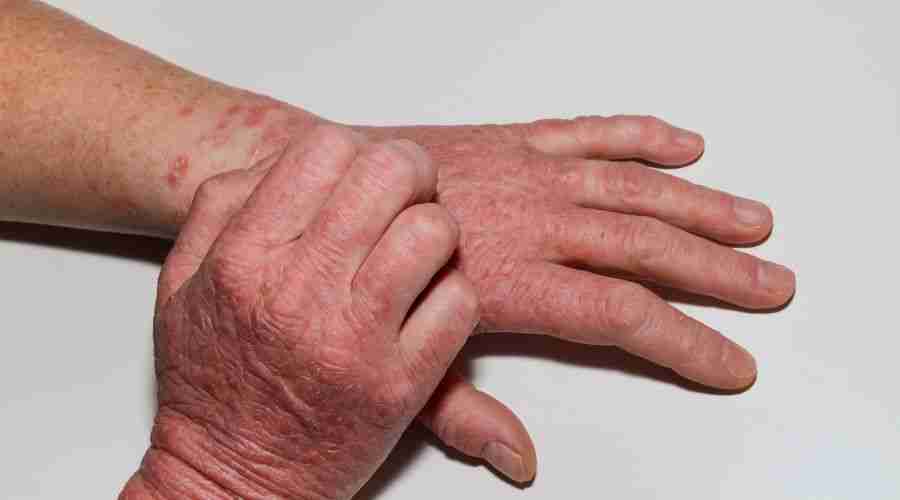
Helpful Tips for Managing Eczema in Children
Eczema is a common pediatric skin condition characterized by dryness, inflammation, and persistent itching that can disrupt a child’s comfort and daily routine. Because symptoms often fluctuate and may be triggered by environmental factors, allergens, or irritants, consistent management is essential. Early intervention and structured care strategies can help reduce flare-ups, prevent skin infections, and support long-term skin health.
Protecting Skin Barrier Gently
Eczema weakens your child’s skin barrier, making it more vulnerable to irritants and moisture loss. Start with the basics: use fragrance-free, hypoallergenic cleansers designed for sensitive skin. Harsh soaps can strip natural oils and worsen dryness, so choose gentle alternatives that clean without irritating the skin. Moisturizing is essential for managing eczema. Apply a thick, medical-grade moisturizer immediately after bathing while the skin is still damp to lock in moisture.
Bath time requires careful attention to avoid further skin drying. Use lukewarm water instead of hot, as high temperatures can dehydrate the skin. Keep baths brief, no longer than 10 minutes. After bathing, gently pat the skin dry with a soft towel instead of rubbing. These steps help protect and strengthen your child’s vulnerable skin barrier.
Identifying and Avoiding Eczema Triggers
Every child’s eczema is unique. Identifying what causes your child’s flare-ups is key to better management. This process requires patience and careful observation. Common triggers include certain fabrics, detergents, pet dander, and specific foods. You can keep a symptom diary to track flare-ups.
Once you know the triggers, you can reduce exposure. Switch to fragrance-free detergents and softeners. Choose soft, breathable fabrics like cotton for clothing. Use allergen-proof covers on pillows and mattresses if dust mites are an issue. Food allergies can also cause flare-ups; common triggers include dairy, eggs, soy, and nuts.
Managing Safe Flare-Up Treatments
When a flare-up occurs, prompt treatment can prevent it from worsening. Several safe and effective options exist for children. Topical hydrocortisone cream is often the first choice and is readily available. It helps reduce inflammation and itching when applied to affected areas. For more severe cases, your dermatologist may recommend stronger topical steroids or PDE4 inhibitor medications. These options calm the immune response without relying on steroids.
Light therapy is another option for older children with moderate to severe eczema. This involves controlled exposure to ultraviolet light under medical supervision and can significantly reduce inflammation. Dermatologists will help you find the right treatment for your child by considering your child’s age, eczema type, and severity to create a personalized treatment plan tailored to your child’s unique needs.
Supporting Comfort, Sleep, and Well-Being
Eczema affects more than just the skin; it significantly impacts your child’s overall quality of life. Addressing both their physical comfort and emotional needs is as important as managing visible symptoms. Sleep disturbances are common, as itching often worsens at night, disrupting sleep for both child and parent. Establish a calming bedtime routine that includes applying moisturizer and keeping the bedroom cool and comfortable.
Help your child understand their eczema in simple, age-appropriate terms. Let them know it’s not contagious and that many children have it too. This knowledge can build their confidence and reduce anxiety, especially if they feel self-conscious about their skin. Praise your child for sticking to their skincare routine and avoiding triggers. Positive reinforcement encourages them to be more responsible in their own treatment.
Schedule a Dermatology Consultation Today
Managing childhood eczema takes time, consistency, and the right support. While these strategies can help reduce flare-ups and improve your child’s skin comfort, working with a dermatology professional provides the expertise and personalized care they need.
If your kids are having persistent symptoms, consult a board-certified dermatologist who specializes in diagnosing and treating all types of eczema in children. This gives you access to advanced treatment options, from topical medications to light therapy, tailored to your child’s unique needs.