
Frequently Asked Questions About Women’s Health Services
Women’s health services encompass a broad spectrum of medical care designed for specific biological needs. Providers tailor these resources to support patients through various life stages, from adolescence to menopause. Many individuals seek clarity regarding available treatments and recommended testing schedules to navigate their healthcare options.
What Women’s Health Services Are Offered?
Healthcare facilities provide comprehensive care plans that address reproductive and general physical well-being. Clinics often combine primary care elements with specialized gynecological attention to treat the whole patient. This integrated approach allows individuals to access diverse treatments in a single location. Patients benefit from a coordinated team that manages everything from routine checkups to complex conditions.
Providers categorize their offerings into preventive care, diagnostic services, and treatment plans.
- Well-woman exams: These routine visits assess overall physical condition and update medical history.
- Prenatal and postpartum care: Medical teams monitor pregnancy progress and support recovery after delivery.
- Family planning: Practitioners discuss birth control methods and preconception health goals.
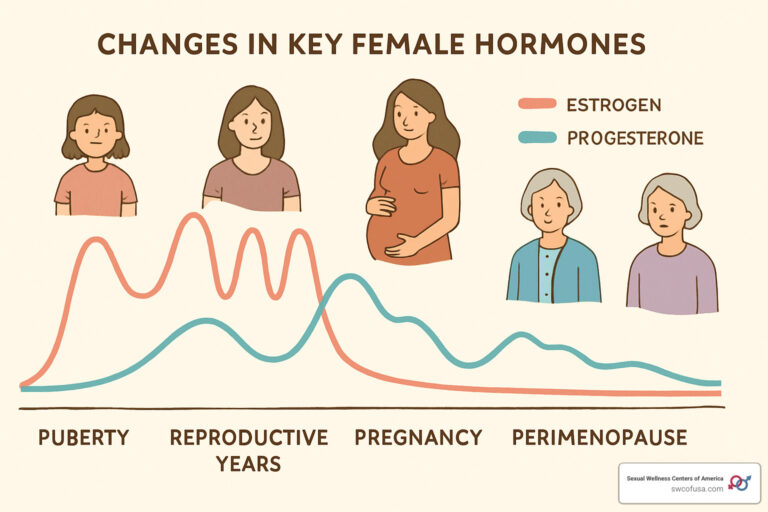
- Menopause management: Specialists treat symptoms related to hormonal changes and aging.
- Gynecological surgery: Surgeons perform procedures to address fibroids, endometriosis, and other structural issues.
Patients utilize these resources to maintain wellness and address concerns as they arise. Doctors monitor physical changes and suggest specific treatments based on individual health records. Regular engagement with the women’s health services team allows for better tracking of long-term health trends. Comprehensive care includes physical examinations and discussions about lifestyle factors affecting well-being.
What Screenings Are Recommended?
Specific tests help physicians detect abnormalities before symptoms become apparent to the patient. Age, personal history, and genetic factors determine the appropriate testing schedule for each individual. Medical organizations update these guidelines periodically based on new clinical research data. Adhering to a testing schedule supports early detection and effective management of potential issues.
Common screenings focus on reproductive health, cancer detection, and metabolic function.
- Pap tests: This screening detects changes in cervical cells that could indicate future problems.
- Mammograms: Radiologists use X-ray technology to examine breast tissue for signs of cancer.
- Bone density scans: These non-invasive tests measure bone strength to identify osteoporosis risks.
- STI testing: Providers screen for sexually transmitted infections to protect reproductive organs.
- Blood pressure and cholesterol checks: Routine monitoring helps assess heart health risks.
Patients discuss specific risk factors with their healthcare provider during standard appointments. A family history of certain conditions often necessitates earlier or more frequent testing. Insurance plans typically cover these standard preventive procedures as part of the wellness package. Facilities aim to make these diagnostic tools accessible to the general patient population.
How Often Are Exams Needed?
Most medical guidelines suggest an annual well-woman visit for general checkups and preventive care. This yearly appointment builds a consistent relationship between the patient and the provider. It serves as an opportunity to update prescriptions and discuss new physiological changes. The care team uses this time to review vaccination status and general health metrics.
Certain conditions require more frequent monitoring to track progress or adjust treatment plans. Pregnancy involves a specific schedule of prenatal appointments that increases in frequency leading up to delivery. Patients managing chronic issues like endometriosis often see their doctor multiple times per year. Physicians establish these schedules to maintain continuity of care.
Book an Appointment
Taking charge of personal well-being begins with scheduling a consultation for women’s health services. The administrative staff assists new patients with registration and insurance verification processes. Current patients can often use online portals to select convenient times for their visits. Call the office today to arrange an examination or discussion with a provider.