Exploring the Role of Sports Medicine in Youth Athletics
Sports medicine is a field of healthcare dedicated to diagnosing, treating, and preventing injuries related to physical activity. For young athletes, whose bodies are still developing, this area of medicine provides tailored care that addresses their unique physiological needs. Orthopedic specialists understand the types of sports associated with specific injuries and can provide screenings and prevention strategies for patients of all ages.
What Is Sports Medicine?
Sports medicine applies to young athletes by addressing injuries specific to their age and physical development. For children, many sports injuries involve their legs and feet. Adolescents, typically between the ages of 13 and 19, are in a transitional phase. They generally have more muscle, body weight, and height than younger children. These physical changes can predispose them to specific types of injuries. Injuries in adolescents can also be more severe due to their increased body size and a potentially reduced fear of injury when playing sports.
What Injuries Can It Treat?
Sports medicine providers address both acute and overuse injuries that commonly affect young athletes. Acute injuries stem from a specific incident that causes sudden trauma. In younger children, these often involve fractures at the growth plate or instances where a muscle, ligament, or tendon is pulled away from the bone. Such injuries happen more frequently in this group because children’s bones are more pliable compared to those of teens or adults.
Repeated or intense movements during practices or games can lead to overuse injuries. These often develop in the muscles, tendons, or as stress fractures, particularly in the lower body. Preventative steps can help reduce the likelihood of these issues. Orthopedic professionals provide personalized strategies to support safe athletic development and minimize chronic irritation or injury.
How Does It Treat Them?
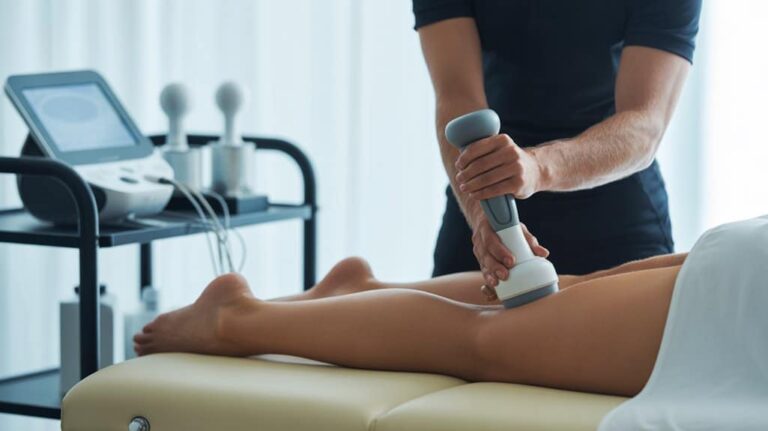
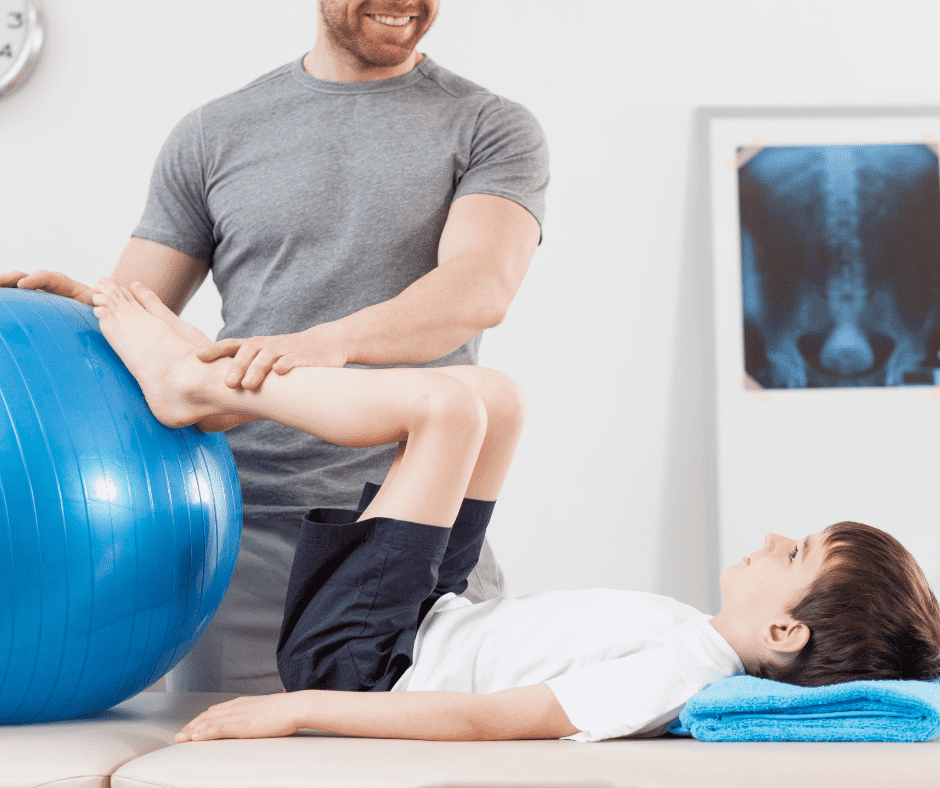
Care for sports injuries in young athletes is tailored according to both age and the specific type of injury sustained. Orthopedic teams offer a comprehensive assessment for each case, and factor in the child’s developmental stage and the injury’s characteristics. When treating mild or moderate injuries of soft tissue, orthopedic specialists generally start with non-surgical management. This can include approaches such as applying ice or heat, taking time away from activity, supportive bracing, and physical rehabilitation.
Pain control may involve the use of medications. In some instances, injections are used to address discomfort and limit inflammation. If an injury involves significant structural harm or does not respond to conservative treatment, surgery may be recommended. Orthopedic surgeons are trained to perform procedures that address these more complex cases, with the objective of restoring movement and function.
Seek Professional Orthopedic Care
Caring for athletic injuries in young people requires insight into their stage of physical growth. Orthopedic specialists in sports medicine are well-equipped to assess and address injuries that involve the musculoskeletal system. Their training allows them to offer tailored diagnostic and treatment strategies, supporting a safe and effective recovery process. Seeking care from an experienced orthopedic provider also offers families access to a full network of resources that promotes a return to activity and helps safeguard against future injury.