Exploring the Connection Between ADHD and Emotional Regulation
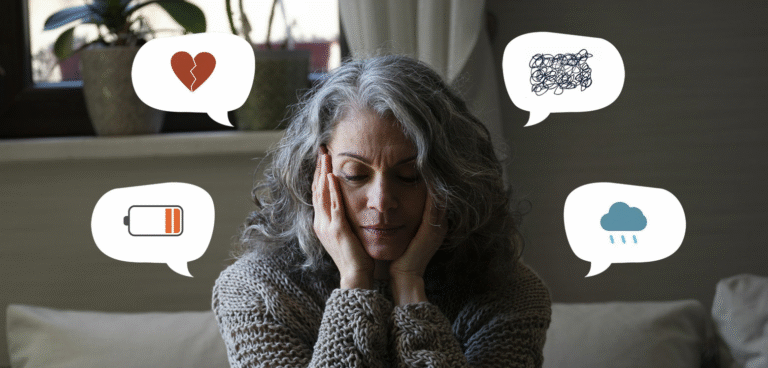
Many people associate Attention Deficit Hyperactivity Disorder with focus issues, but emotional regulation also plays a role. You might experience emotions more intensely than others do. Because this connection affects daily life, understanding it can help you find management strategies. ADHD can impact how efficiently your systems work for you.
The Science of ADHD
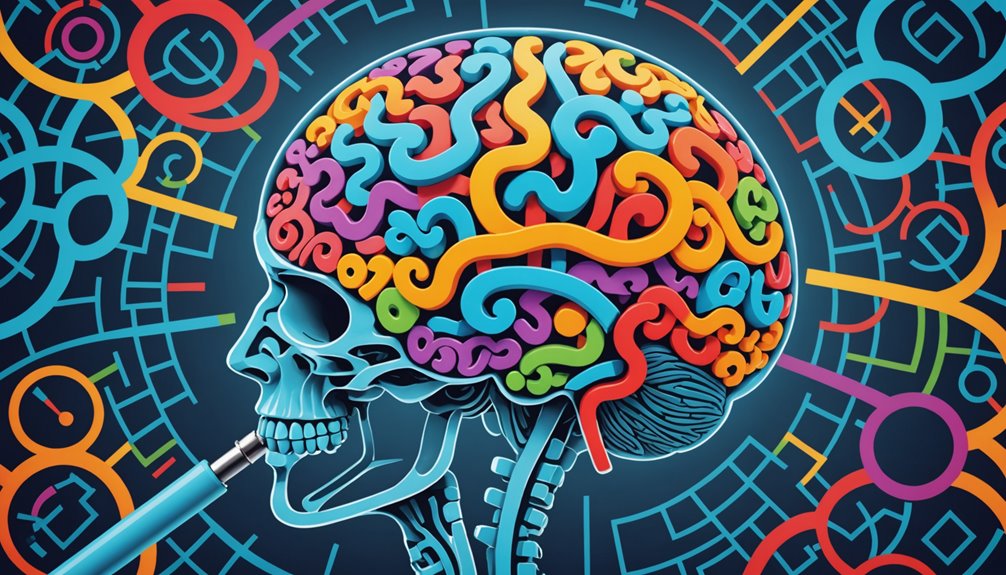
Your brain processes feelings through complex networks, and ADHD alters how they communicate. The amygdala generates emotional responses, and the prefrontal cortex acts as a filter for immediate reactions. In ADHD brains, the connection between these two areas may be various. You might feel frustration instantly, or excitement might surge, and stopping these feelings takes effort. This biological difference explains why emotions feel powerful. It does not mean you cannot manage them. Understanding this biology reduces self-blame and shows these reactions are neurological, not personal failures.
The Triggers in Daily Life
Recognizing what sparks intense emotions helps you prepare for difficult situations. When senses are overwhelmed, your ability to regulate emotions drops, and annoyances suddenly feel like major problems. You can track these moments in a journal or simply note them when they occur. Awareness is the first step toward change. Once you identify patterns, you can modify your environment. Focusing on tasks can be difficult for people with ADHD because shifting focus requires energy and emotional control. Fatigue and hunger lower your defenses, so maintaining physical needs helps you keep your emotions in check.
The Professional Support Available
While self-awareness is helpful, professional support provides tools for emotional stability and growth. Medication management uses stimulants or non-stimulants to balance neurotransmitters that regulate your mood. A doctor can help you find the right dosage, which makes other strategies more effective. Behavioral therapy teaches coping mechanisms and helps you practice new responses to triggers. These services build a strong foundation, so you can handle emotional waves with confidence. Psychotherapy offers a safe space to explore feelings. You can discuss past experiences that shape your reactions, or develop strategies for current relationship challenges. Talk therapy gives an external perspective. A therapist guides you toward healthier ways to express emotions.
For some, Transcranial Magnetic Stimulation (TMS) is an option, as it uses magnetic fields to stimulate nerve cells. Treatment plans vary for everyone, but combining these professional services often yields the best long-term results. Self-care practices support mental health and complement formal treatment. Activities like mindfulness meditation, journaling, physical exercise, and maintaining a balanced diet enhance emotional resilience and improve overall well-being. Establishing routines that prioritize restful sleep and reducing stress through hobbies or spending time in nature also have a positive impact. While these practices do not replace professional treatment, they create a supportive foundation for personal growth and recovery.
Take the Next Step
Emotional regulation is a skill you may build, and you do not have to navigate ADHD alone. If you struggle with intense emotions, reach out to a professional who understands. Medication management or behavioral therapy might be the key, or perhaps talk therapy will provide the insight you need. Do not hesitate. Contact a provider today to discuss your options.