
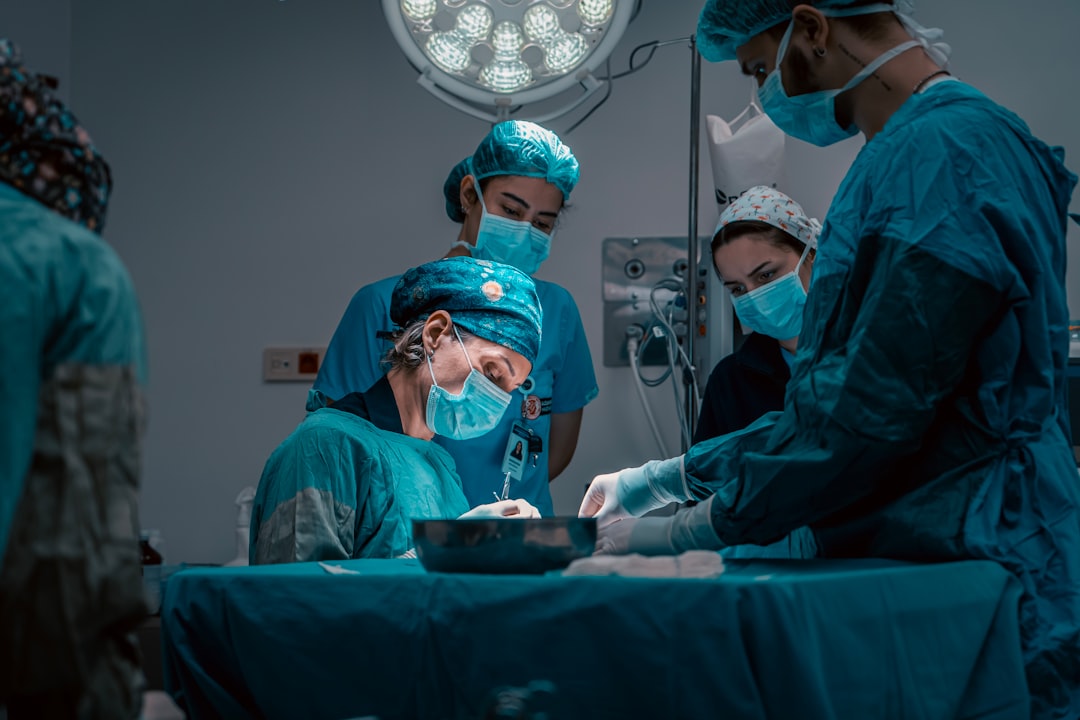
Exploring the Benefits of Minimally Invasive Surgeries in Modern Healthcare
Minimally invasive surgeries have transformed modern healthcare by offering effective treatment options with reduced physical impact on patients. Utilizing advanced techniques and specialized instruments often makes the procedures result in smaller incisions, shorter recovery times, and a lower risk of complications compared to traditional surgery. Exploring the benefits of minimally invasive surgeries highlights their role in improving patient outcomes, efficiency, and overall quality of care.
a. Reduced Surgical Trauma
One major benefit of minimally invasive surgery is less trauma to the body. Traditional open surgery requires large incisions. Surgeons must cut through muscle and tissue. This creates significant stress on the body. It also increases the risk of complications like infection or bleeding.
In contrast, minimally invasive techniques use small tools and cameras. These are inserted through tiny incisions. This approach keeps the surrounding muscles and tissues intact. It preserves the body’s natural structure. Internal exposure is limited, so the risk of infection drops. There is also typically less blood loss during the operation. Patients often need fewer blood transfusions and this further lowers the risk of post-surgical issues.
b. Faster Recovery Times
For most patients, the fast recovery is the most appealing aspect of less invasive surgery. The procedure causes less damage to the body’s tissues. This means the healing process can begin almost immediately. Many patients can stand and walk within hours of their operation. This is a key factor in preventing blood clots and pneumonia.
Hospital stays are also drastically shorter with these modern techniques. Open surgery might require a week or more of inpatient care. But many minimally invasive procedures are performed on an outpatient basis. This means you could recover at home on the same day and return to daily activities like driving or working much sooner.
c. Less Pain and Scarring
Pain management is a key concern for anyone undergoing surgery. Large incisions often sever nerve endings and muscle fibers, causing significant pain that requires strong narcotic medication. Minimally invasive surgeries,disrupt far less tissue, leading to less post-operative discomfort. With more manageable pain, patients often rely less on heavy painkillers, reducing the risk of side effects like nausea, dizziness, or dependency.
Minimally invasive procedures also offer a significant cosmetic advantage. Instead of a long scar, patients have a few small marks that often fade over time. These marks are barely noticeable to many, adding an aesthetic benefit to the procedure.
d. Precision in Minimally Invasive Surgeries
It may seem odd that small incisions offer better visibility than open surgery. Technology makes it possible. Surgeons use a laparoscope to see inside the body. This is a thin tube with a high-definition video camera. The camera magnifies the surgical site on monitors. This allows the team to see tiny vessels and nerves clearly.
This enhanced view allows for greater precision. Robotics has taken this a step further. It offers tools with a greater range of motion than a human hand. A surgeon can manipulate these instruments with steady micro-movements. These are impossible in open surgery. This control is significant when operating near delicate structures.
Consult Your Doctor’s Appointment Today!
Minimally invasive surgeries offer a pathway to health that is less painful, faster, and safer than traditional methods. From reduced scarring to a quicker return to your daily routine, the benefits are clear and compelling. But every patient is unique and requires different surgeries for different conditions. Don’t wait for symptoms to worsen. Schedule an appointment with a specialist today to discuss options suitable for your condition.