Exploring Non-Surgical Options for Treating Varicose Veins
Exploring Non-Surgical Options for Treating Varicose Veins
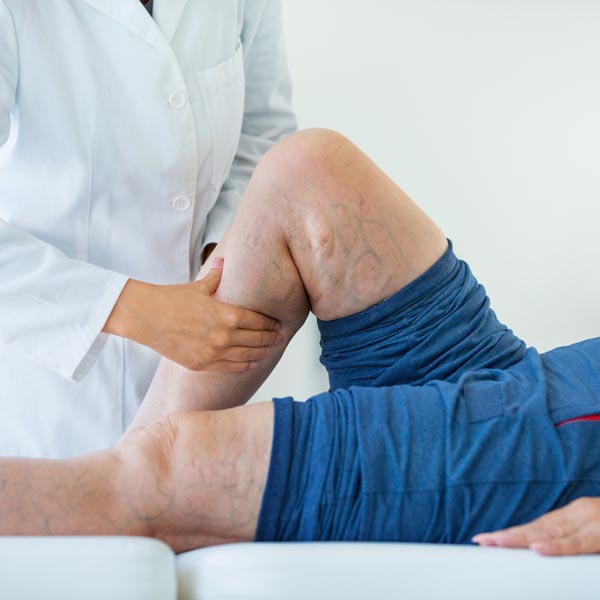
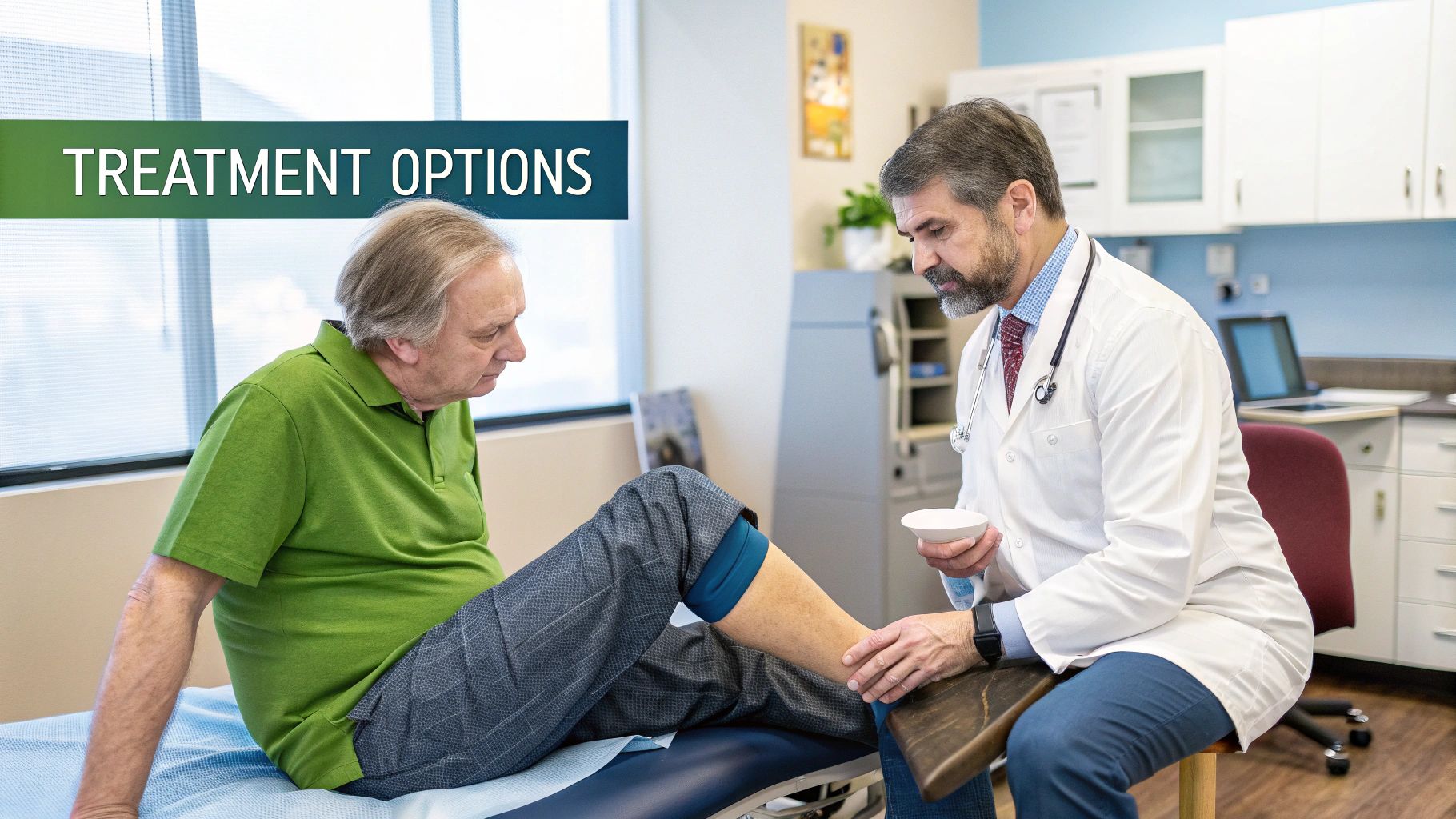
Varicose veins are enlarged, twisted veins that often appear blue or dark purple. They can cause aching pain and discomfort, so many people seek treatment for relief. A healthcare provider who specializes in cardiology can offer a complete diagnosis and options for treatment.
Exploring Self-Care Measures
Self-care can improve circulation and reduce discomfort. Simple lifestyle adjustments are helpful; they can prevent existing varicose veins from worsening. Regular exercise, such as walking or swimming, helps pump blood from the legs; this activity improves overall circulatory health. Maintaining a healthy weight reduces pressure on the veins. Elevating the legs above heart level several times a day can decrease swelling; people who stand or sit for long periods should change their positions frequently to encourage blood flow.
Beyond general health measures, specific daily habits help manage vein health and minimize discomfort. Wearing loose clothing is helpful because tight garments can restrict circulation around the waist, groin, or legs. Elevating the legs above heart level for short periods throughout the day effectively uses gravity to decrease swelling and relieve pressure. For those who must sit or stand for long durations, shifting positions frequently encourages consistent blood flow and prevents blood from pooling in the lower extremities.
Exploring Cardiology
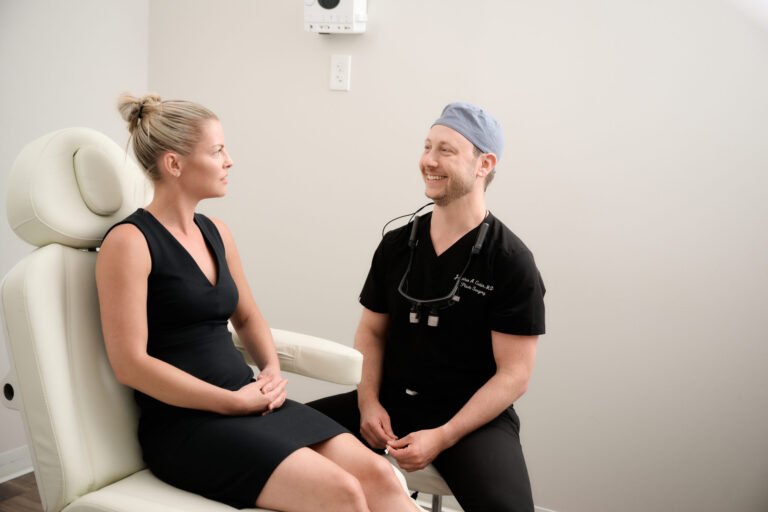
Cardiology is the medical specialty concerned with the health of the heart and circulatory system, including disorders such as varicose veins. Cardiologists address circulatory issues by evaluating blood flow and vascular function; they are integral in the diagnosis and management of conditions affecting the veins and arteries. When assessing varicose veins, cardiologists use diagnostic tools to identify impaired circulation, recommend appropriate treatments, and monitor for complications like venous insufficiency. Their role in managing vascular health extends to guiding lifestyle modifications. They’re responsible for recommending non-surgical therapies and collaborating with other specialists when advanced intervention is needed. Cardiologists help patients maintain healthy blood vessels and reduce the risks associated with vascular disease.
Exploring Invasive Procedures
For those seeking more definitive treatment, several minimally invasive procedures are available. These treatments are typically performed in an office setting; patients often resume normal activities quickly since recovery times are short. Sclerotherapy involves injecting a solution into the veins, which causes them to scar and close, rerouting blood through healthier vessels. Other options include endovenous thermal ablation, which uses heat to seal the vein, ambulatory phlebectomy for removing smaller veins through tiny punctures, and VenaSeal, which closes the main affected vein using a medical adhesive.
A range of non-surgical treatments can effectively manage varicose veins. The initial approach often involves self-care strategies and the use of compression stockings to alleviate symptoms and improve blood flow. Minimally invasive procedures offer lasting solutions. Individuals should consult a healthcare provider to determine the most appropriate treatment plan for their specific needs and make an informed decision about their care.
Find a Clinic
These methods can provide substantial relief; many individuals find them sufficient for managing their condition. When further intervention is necessary, minimally invasive procedures like sclerotherapy, thermal ablation, and VenaSeal offer lasting solutions without the need for hospitalization or a long recovery period. Individuals can consult a healthcare provider to determine the most appropriate treatment plan for their specific needs, and this discussion will help them make an informed decision.