
Exploring Causes and Treatment for Pink Eye in Adults
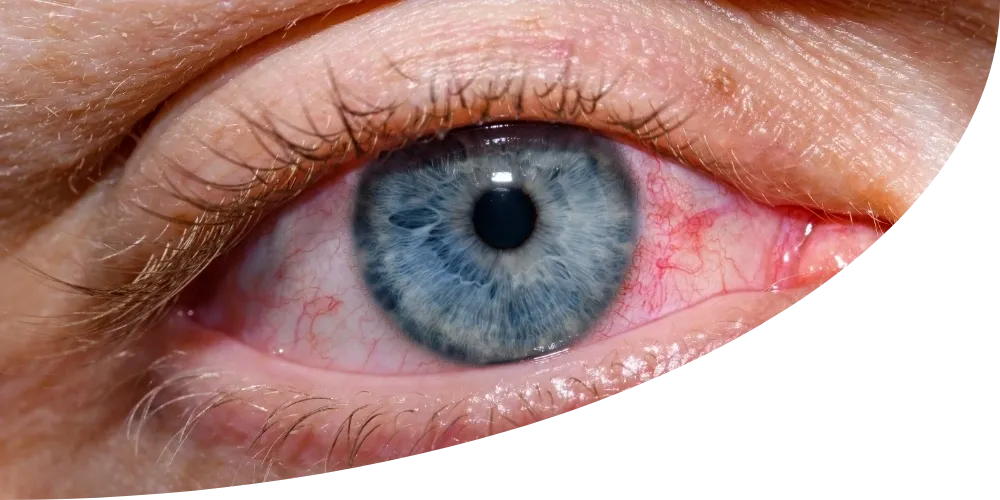
Pink eye, medically known as conjunctivitis, is a common eye condition, and it causes inflammation or infection of the transparent membrane (conjunctiva) that lines the eyelid and covers the white part of the eyeball. When small blood vessels in the conjunctiva become inflamed, they’re more visible, causing the whites of the eyes to appear reddish or pink. Understanding the root cause of the irritation is necessary for determining the appropriate treatment plan. Here is more information on this condition:
What Is Pink Eye?
Pink eye occurs when the conjunctiva becomes irritated by an infection or allergies. This inflammation makes the blood vessels in the eye more prominent, giving the eye a characteristic pink or red appearance. It is a condition that can affect one or both eyes, and it may cause discomfort or vision disturbances.
There are three primary categories of conjunctivitis: viral, bacterial, and allergic. Viral and bacterial conjunctivitis are contagious and can spread easily through direct contact or contaminated surfaces. Allergic conjunctivitis is not contagious, as it is a reaction to allergens such as pollen or pet dander.
What Causes It in Adults?
In adults, viral conjunctivitis is a common cause of pink eye. It is often caused by the same viruses that cause the common cold, such as adenoviruses. Because it is viral, this form of pink eye is highly contagious, and it can spread rapidly in environments such as offices and public spaces.
Bacterial conjunctivitis is caused by bacteria such as Staphylococcus aureus or Streptococcus pneumoniae, and it can occur through contact with contaminated items or by touching the eyes with unclean hands. It poses a risk of spreading to others if proper hygiene practices are not followed. Allergic conjunctivitis is triggered by the body’s reaction to an allergen. Common irritants include pollen, dust mites, molds, and animal dander.
What Are the Symptoms?
The symptoms of pink eye vary depending on the underlying cause, but redness in the white of the eye or inner eyelid is the primary indicator. Increased tear production is common, particularly in viral and allergic cases. Patients may also experience a gritty feeling in the eye or an urge to rub the eye due to itchiness.
What Are the Treatment Options?
Treatment for pink eye depends on the type of conjunctivitis diagnosed. For bacterial conjunctivitis, a medical provider may prescribe antibiotic eye drops or ointments, as they help shorten the duration of the infection and reduce the risk of spreading it to others. These medications may resolve symptoms within a few days of starting treatment.
Viral conjunctivitis generally does not require specific medical treatment, as it must run its course like a common cold. Artificial tears or cool compresses can help relieve dryness and inflammation while the virus clears. In cases involving specific viruses, such as herpes simplex, antiviral medications or drops may be prescribed.
For allergic conjunctivitis, avoiding the allergen is the primary step in treatment. Allergy medications or drops, such as antihistamines, can help alleviate itching and redness. Artificial tears may also dilute allergens, and they provide relief from irritation.
Seek Professional Care Today
If you are experiencing symptoms of pink eye, visiting an urgent care center can help you recover more effectively. A healthcare professional will assess your condition, identify the cause, and recommend the most appropriate treatment to relieve discomfort. Prompt attention helps manage symptoms quickly, and it prevents the potential spread of infection to others.