Emerging Technologies and Treatments of Dermatology
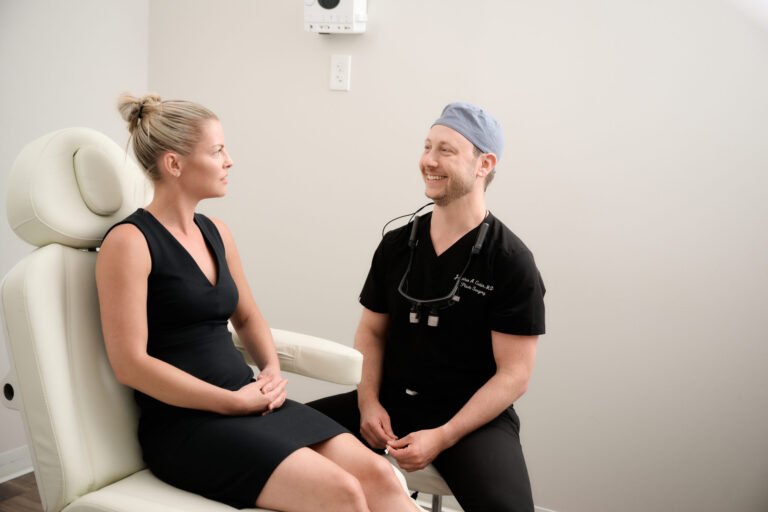
Dermatology is evolving, and a modern dermatologist now has more tools to diagnose, treat, and improve a wide range of skin, hair, and nail concerns. Advances in imaging, lab-supported testing, newer procedures, and targeted therapies are reshaping what patients can expect in medical and cosmetic care. Here’s a look at the emerging technologies and treatments in dermatology:
Advancing Skin Diagnosis
Dermatologists now use smart cameras and computer programs to detect skin problems early. These tools capture detailed images of moles or rashes, and artificial intelligence compares them with thousands of other images. This process helps the dermatologist determine whether a spot is safe or requires further testing. Artificial intelligence does not replace dermatologists; it serves as a helpful assistant during exams.
It can detect tiny changes that the human eye may miss during a standard check-up. The software highlights areas of concern, and the doctor verifies the results with their expertise. The combination of human skill and machine speed makes diagnosis more accurate.
Refining Energy Devices
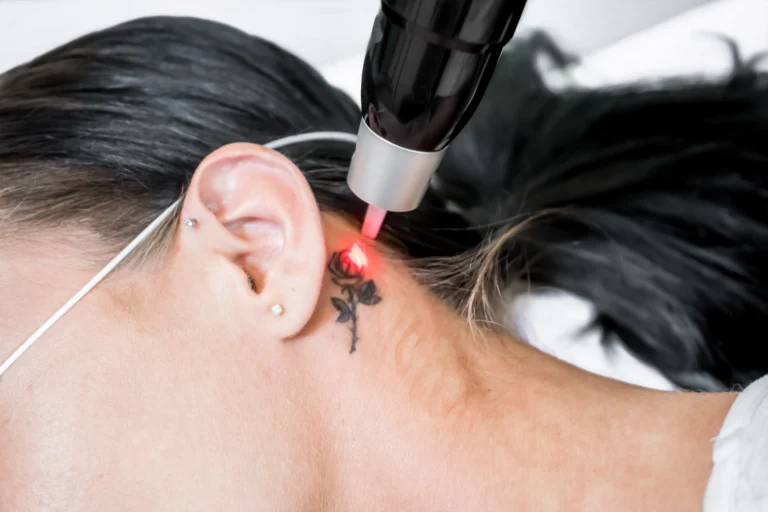
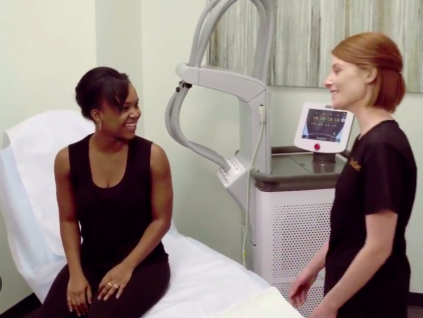
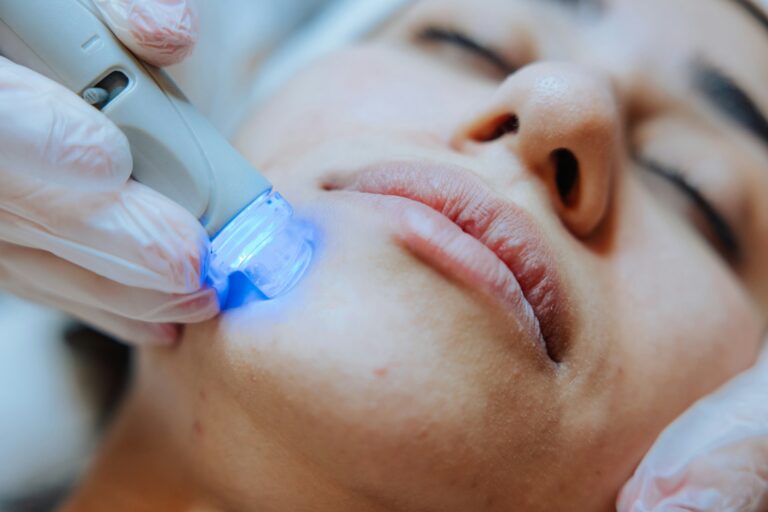
Energy devices use energy such as light or sound waves to treat skin from the inside. Lasers can remove scars, dark spots, or redness without hurting the top layer of skin. Radiofrequency (RF) and ultrasound treatments tighten loose skin by safely heating the deep layers. This heat signals the body to produce more collagen, which is fundamental for firm and youthful skin. These treatments are highly precise, targeting only problem areas while leaving healthy skin untouched. New devices can also address skin tones that were previously difficult to treat.
Transforming Chronic Skincare
Shots and special medicines called biologics are changing how doctors treat long-term skin diseases. Biologics work by calming down the specific part of the immune system that causes inflammation. This is helpful for conditions such as psoriasis or eczema that do not go away easily. These medicines stop the itch and redness at the source rather than just covering them up.
Injectables are also evolving beyond smoothing wrinkles or adding volume to the face. New types of fillers can help the skin heal itself and improve texture over time. Some injectables stimulate the body’s natural production of elastin and collagen. A dermatologist can evaluate these options for patients who have not found success with creams or pills.
Personalizing Dermatology Care
Regenerative medicine focuses on repairing damaged tissue using the body’s own natural tools. Platelet-rich plasma (PRP) uses a patient’s blood to promote hair growth or aid skin healing after a procedure. Exosomes are tiny messengers that signal to cells to repair themselves and appear younger. These treatments use the body’s natural ability to rejuvenate skin without external chemicals. Custom compounds allow a dermatologist to mix medicines specifically for one person’s unique needs. This personal approach makes sure the treatment fits the patient perfectly.
Consult a Local Dermatologist Today
Technology and new treatments are improving skin care for everyone. These advancements help dermatologists identify issues earlier and treat them with greater precision. If you have skin concerns, contact a qualified dermatologist in your area to schedule your consultation today.