Choosing the Right Women’s Clinic for Your Health Needs
Selecting a healthcare provider is a significant decision for any individual. For women, finding a clinic that addresses their specific health needs is a foundational part of managing lifelong wellness. A women’s clinic offers specialized care focused on the female reproductive system and related health matters. These facilities provide a dedicated environment for services ranging from routine check-ups to the management of complex conditions. Making an informed choice involves understanding the scope of services a clinic provides and how they align with your personal health requirements.
Do They Perform Wellness Exams?
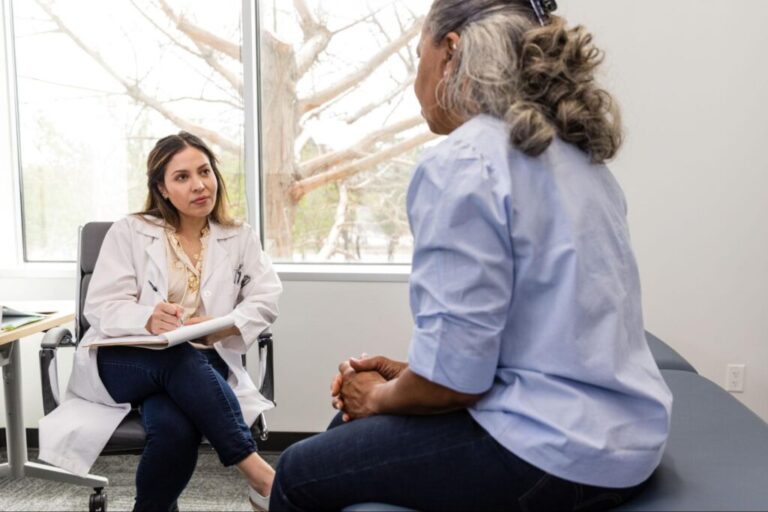
A cornerstone of preventive care, the well-woman exam is a comprehensive annual check-up tailored to a woman’s health history and risk factors. These appointments are designed to screen for potential health issues and promote healthy lifestyle habits. During this visit, a healthcare professional will conduct a physical examination, which may include a breast exam and a pelvic exam.
The exam serves as an opportunity to discuss your health openly with your provider. Topics often include menstrual cycle patterns, sexual health, and any new or persistent symptoms you may be experiencing. A Pap smear, which screens for cervical cancer, may be performed based on current medical guidelines and your personal history. The well-woman exam allows for early detection of conditions, which can lead to more effective management.
Can They Diagnose Conditions?
A women’s clinic is equipped to diagnose a wide array of gynecological conditions and assess overall health status. When a patient presents with symptoms such as pelvic pain, abnormal bleeding, or unusual discharge, providers use a systematic approach to identify the underlying cause. This process may involve a detailed discussion of symptoms, a physical examination, and diagnostic testing.
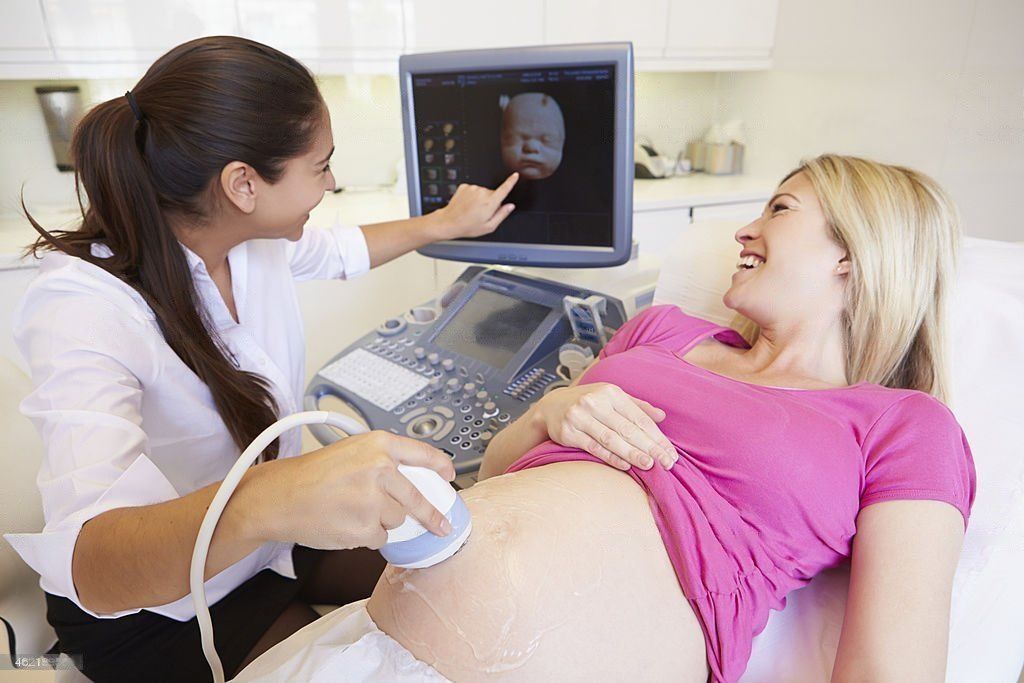
Common diagnostic procedures available at these clinics include blood tests and imaging studies like ultrasounds. These tools help practitioners diagnose issues such as uterine fibroids, ovarian cysts, endometriosis, and sexually transmitted infections (STIs). A correct diagnosis is the first step toward creating an appropriate management plan. The clinic’s staff will explain findings and discuss the available options for addressing your specific health situation.
Do They Provide Birth Control?
Access to contraception is another fundamental service offered by a women’s clinic. Providers are knowledgeable about the various methods of birth control and can help you select one that fits your health profile and preferences. This process begins with a detailed consultation, discussing your reproductive goals and medical history.
Clinics offer a spectrum of contraceptive options, which can include hormonal methods like birth control pills. They also provide long-acting reversible contraceptives (LARCs) such as intrauterine devices (IUDs) and contraceptive implants. Barrier methods options may also be discussed. The medical team will explain the proper use, benefits, and potential side effects of each method, empowering you to make a decision about your reproductive health.
Visit a Women’s Clinic
A women’s clinic serves as a central point for managing female health. By establishing care with a specific clinic, you gain a trusted resource for your health questions and concerns. Regular visits help maintain a comprehensive health record, which allows for consistent and personalized care over time. When choosing a facility, you might also look into their approach to patient education and the availability of resources that can support your wellness goals.