Causes and Symptoms of Macular Degeneration
Age-related macular degeneration (AMD) represents a significant concern for eye health, particularly among older adults. This condition affects the macula, which is the small central portion of the retina responsible for sharp, central vision. The retina acts as the light-sensitive tissue lining the back of the eye, processing images and sending them to the brain. When the macula deteriorates, individuals may experience a decline in their ability to see fine details. Understanding the mechanisms behind this condition allows patients and families to approach eye care with greater awareness.
What Causes Macular Degeneration?
The exact cause of macular degeneration remains a subject of ongoing research, though several factors contribute to its development. The primary risk factor is age. As individuals grow older, the risk of developing AMD increases significantly, especially for those over the age of 50.
Genetics also plays a role. Individuals with a family history of AMD possess a higher likelihood of developing the condition themselves. Beyond age and genetics, environmental and lifestyle factors contribute to the onset of AMD. Smoking is a well-documented risk factor. High blood pressure and high cholesterol levels may also impact eye health by affecting blood flow to the retina.
The condition manifests in two primary forms: dry and wet. Dry AMD is more common and occurs when the macula thins over time as part of the aging process, often leading to the formation of small clumps of protein called drusen. Wet AMD is less common but more serious. It happens when abnormal blood vessels grow under the retina. These vessels may leak fluid or blood, scarring the macula.
What Are the Symptoms?
In the early stages, macular degeneration may not present noticeable symptoms. This silent progression underscores the value of regular eye examinations. As the condition advances, symptoms begin to manifest, often varying depending on whether a patient has the dry or wet form. A common early sign is blurred or fuzzy vision. Patients may find that straight lines appear wavy or distorted. Dry AMD usually progresses slowly over the years, while wet AMD can cause more rapid vision loss. Monitoring these changes helps individuals seek timely medical advice.
How Is It Treated?
No cure exists for macular degeneration, but treatments can slow its progression and help manage symptoms. The approach depends heavily on the stage and type of the disease. For early dry AMD, medical intervention is often minimal. Eye care professionals may recommend lifestyle modifications, such as nutritional supplements containing specific vitamins and minerals known to support eye health.
For wet AMD, treatments are more aggressive, aimed at stopping abnormal blood vessel growth. Anti-VEGF (vascular endothelial growth factor) injections may be utilized in care. These medications are injected directly into the eye to block the protein responsible for the growth of abnormal vessels. Low vision rehabilitation serves as a supportive measure. Specialists can teach patients how to use their remaining peripheral vision more effectively and introduce adaptive devices.
Speak Further With an Ophthalmologist
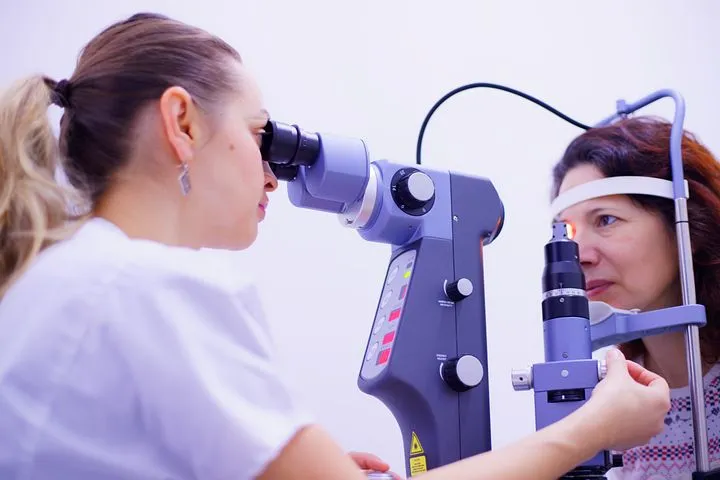
Navigating a diagnosis of macular degeneration requires professional guidance. While understanding the basics provides a foundation, an ophthalmologist can offer personalized insights based on your specific eye health history. Regular comprehensive eye exams remain the most effective tool for early detection. Patients should maintain an open dialogue with their eye care provider and discuss any changes in vision immediately. Proactive management and adherence to treatment plans can help preserve vision and maintain one’s wellness.