Cataract Surgery Lens Options
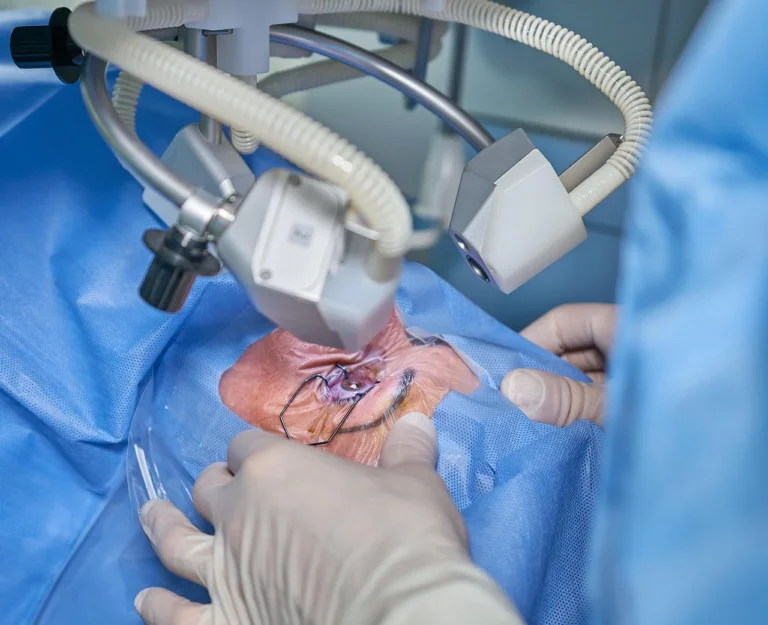
Cataract surgery is a common procedure that restores clear vision by removing the cloudy natural lens of the eye and replacing it with an artificial lens. This artificial lens, known as an intraocular lens (IOL), becomes a permanent part of your eye; one of the most significant decisions you will make during this process is selecting the right lens for your lifestyle and vision needs. There are several different lens options available today, each offering unique benefits depending on your specific visual goals.
What Are Cataract Surgery Lenses?
An intraocular lens (IOL) is a tiny, medical-grade device that replaces the eye’s natural lens. When a cataract develops, proteins in the natural lens clump together, causing cloudiness that impairs vision. Cataract surgery removes this cloudy lens entirely. Without a replacement lens, the eye would not be able to focus light effectively, resulting in extremely blurred vision. The IOL takes over the job of focusing light onto the retina, allowing you to see clearly again. These lenses are made from durable materials like silicone or acrylic, and they are designed to last for the rest of your life without needing maintenance or replacement.
What Types Are Available?
Technology has advanced significantly, providing patients with a range of choices beyond the standard option. Your surgeon will help you navigate these choices, but it is helpful to understand the basic categories. Each lens type affects vision differently.
- Monofocal Lenses: This is the most common type of IOL. It is designed to provide high-quality vision at a single focal distance. Most patients choose to have these lenses set for distance vision, which is excellent for driving or watching television. You will likely still need reading glasses for close-up tasks like reading a menu or using a smartphone.
- Multifocal Lenses: These lenses are designed to allow you to see clearly at multiple distances. They work somewhat like bifocal or progressive eyeglasses, containing different zones for near, intermediate, and distance vision. This option can significantly reduce your dependence on glasses for daily activities. Some patients may experience minor visual side effects, such as glare or halos around lights at night.
- Toric Lenses: If you have astigmatism, your cornea is shaped more like a football than a basketball, which distorts vision at all distances. Toric lenses are specifically designed to correct this refractive error. By addressing cataract and astigmatism simultaneously, these lenses offer the potential for sharper vision without the heavy reliance on corrective eyewear that standard lenses might require.
- Accommodating Lenses: These lenses are designed to move or change shape naturally inside the eye in response to eye muscle movements. This mimics the eye’s natural ability to change focus, potentially allowing for good distance and intermediate vision.
What Are the Key Factors?
Choosing the right lens involves more than just restoring clear vision; it is also about how you use your eyes throughout daily life. When discussing your options with your doctor, account for how much time you spend on activities such as reading, sewing, or computer work compared with being outdoors, playing sports, or driving. Financial considerations are significant as well, since insurance coverage can vary. Standard monofocal lenses are typically included in most plans, while premium lenses like multifocal or toric options may incur additional costs. Also, think about your comfort with wearing glasses. Some people are fine using them for specific tasks, while others prefer to minimize their dependence on eyewear. Your overall eye health plays a role in the selection process, as certain conditions, such as macular degeneration or glaucoma, may influence which lens will be safest or most effective for your needs.
Ask Your Eye Doctor Today
Your eye doctor is your best resource for understanding which IOL is right for your situation. They can perform detailed eye measurements and discuss your visual expectations to recommend the right lens. Do not hesitate to ask questions about the benefits and potential risks of each lens type. Cataract surgery is a significant step toward better vision, so schedule a consultation today to explore your options.