After a Heart Attack: Steps to Take for Recovery
A heart attack is a major medical event, but it can also be the start of a structured recovery plan focused on healing, prevention, and long-term heart health. The days and weeks after discharge are fundamental for stabilizing your condition and lowering the risk of future complications. With appropriate follow-up care and support systems, individuals can return to daily activities with greater control over their health. Here are the key steps to take after a heart attack to support recovery:
Promoting Early Healing
Your body requires significant rest immediately after you leave the hospital. The heart muscle suffered damage during the heart attack, and it takes time to heal properly. You should avoid heavy lifting or strenuous activities during this initial period to prevent strain. The doctor may prescribe several new medications to support your heart function; these medicines help prevent blood clots and often lower your blood pressure.
You should also monitor how you feel physically each day. Mild fatigue is common, but you should monitor for returning symptoms such as chest pain or shortness of breath. Keep a log of your symptoms, and report any changes to your doctor immediately.
Training After a Heart Attack
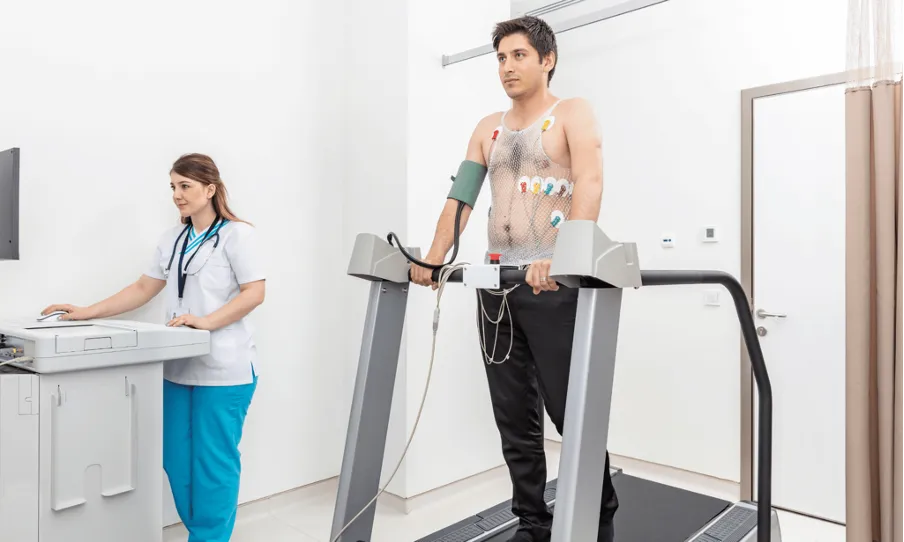
Cardiac rehabilitation is a medically supervised program to improve your cardiovascular health. It provides a safe environment for you to exercise, and medical professionals closely monitor your health signs. Participating in this program offers specific benefits that support your recovery, including the following:
- Medical professionals provide education on heart-healthy nutrition and weight management.
- Specialists guide you through safe, supervised exercise training to build physical strength.
- Counselors offer support to help you manage stress and emotional changes.
These components work together to help you return to an active lifestyle safely.
Reducing Risk of Reoccurrence
Making changes to your daily habits is a key part of preventing a second myocardial infarction. You should think about quitting smoking immediately if you currently smoke; cigarette smoke damages your blood vessels. Your diet also plays a major role in your long-term heart health; try to eat plenty of fruits, vegetables, and whole grains.
Make sure you limit foods that are high in saturated fats and sodium. These dietary adjustments help control your blood pressure and cholesterol levels. Physical activity is another helpful tool for risk reduction; start with light walking and gradually increase your activity level as your doctor advises.
Returning To Normal Activities
Returning to your normal routine takes time and careful planning. You may feel eager to return to work or driving, but you must listen to your body. Your doctor will give you specific guidelines based on the severity of your heart attack and your overall physical condition. These guidelines may include the following:
- Most people return to work within two weeks to three months, depending on the job’s physical demands.
- Driving is usually permitted after one week if you have no chest pain or complications.
- Sexual activity can typically resume when you can walk up two flights of stairs without pain.
It is helpful to discuss these activities openly with your healthcare provider. They can assess your physical condition and advise you when it is safe to resume specific tasks.
See a Heart Attack Specialist
Recovering from a myocardial infarction requires medical guidance and consistent lifestyle adjustments. A specialist can monitor your cardiac function or adjust your medications as needed. Contact a qualified heart attack specialist or cardiologist near you to schedule your appointment today.