
Addressing the Impact of a Labrum Tear on Shoulder Function
The shoulder is the body’s most mobile joint, enabling a wide range of motion for activities like lifting, throwing, and reaching. This complex structure consists of the humerus, the shoulder blade, and the clavicle. The head of the humerus fits into a shallow socket in the shoulder blade. A rim of soft fibrous tissue, known as the labrum, surrounds this socket. The labrum makes the joint more stable and serves as an attachment point for several ligaments. A labrum tear can compromise shoulder stability and function.
What Is a Labrum Tear?
A labrum tear occurs when a portion of this fibrocartilage rim is ripped, frayed, or detached. These injuries can result from acute trauma or from repetitive shoulder motion. Incidents like a fall onto an outstretched arm, a direct blow to the shoulder, or a sudden pull can cause a tear. Athletes who participate in sports requiring overhead movements are also susceptible to labrum tears due to the repetitive stress. Degenerative tears are another type, and can occur in older individuals as the tissue weakens with age.
What Impact Does a Tear Have?
The symptoms of a labrum tear can vary depending on the individual and the nature of the injury. Many people report a sensation of instability in the shoulder, feeling as though it might “pop out” of place. A catching, locking, or grinding sensation during movement is also common. Pain is a frequent symptom, often felt deep within the shoulder or at the front or back, especially with overhead activities or when lifting objects.
Some individuals may experience a decrease in their range of motion and a loss of strength in the affected arm. The shoulder might feel weak, making daily tasks difficult. Night pain can also be a problem, particularly when lying on the injured side. A specific “clicking” or “popping” sound may accompany shoulder movement. The onset of these symptoms can be sudden following an injury or develop gradually over time with repetitive use.
How Is It Treated?
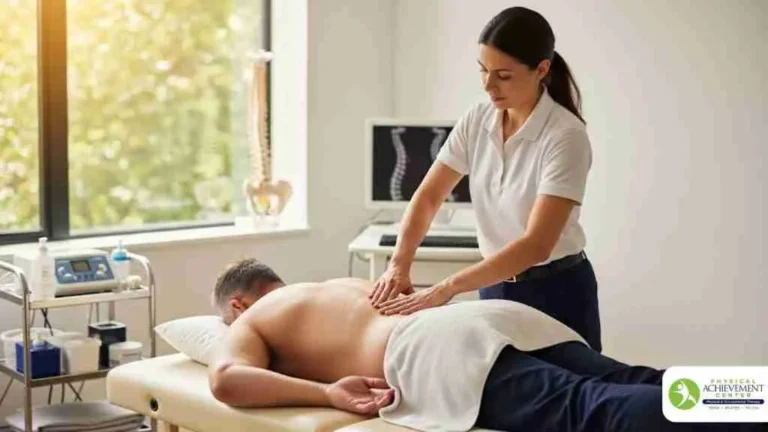
The treatment for a labrum tear is tailored to the specific needs of the patient. Proper management can take into account the type of tear, the severity of symptoms, and the person’s activity level. Non-surgical methods are typically the first line of treatment. This approach often begins with rest and modifying activities to avoid motions that provoke pain. Physical therapy is a cornerstone of conservative management, focusing on strengthening the muscles surrounding the shoulder to improve stability and support the joint.
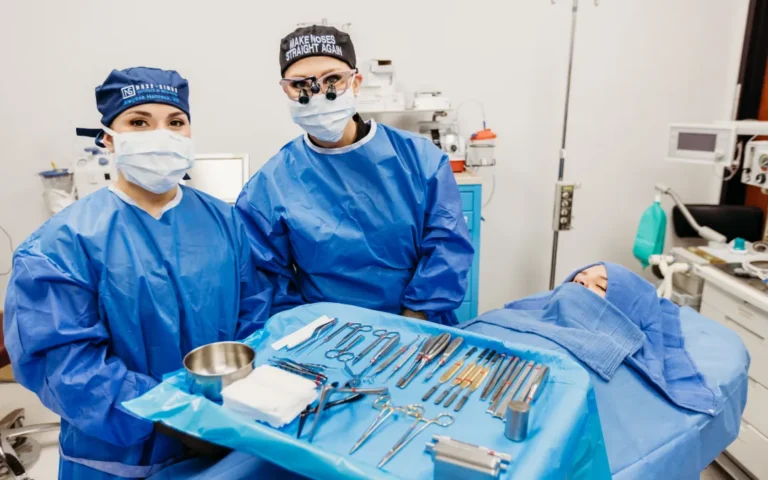
When non-operative treatments do not provide sufficient relief, or in cases of significant detachment, a surgical procedure may be suggested. Arthroscopic surgery is a minimally invasive technique commonly used to address labrum tears. A small camera is inserted into the shoulder joint during this surgery, allowing the surgeon to view the damage and perform repairs with specialized instruments. The goal of the surgery is to reattach the torn labrum to the bone of the socket, thereby restoring the joint’s stability.
Consult an Orthopedic Specialist
Proper diagnosis is the first step toward developing an appropriate management plan. An orthopedic specialist can conduct a thorough physical examination and may use imaging studies to confirm the presence of a tear and determine its extent. Seeking a professional evaluation allows for a precise diagnosis, guiding the creation of a personalized treatment strategy aimed at restoring shoulder function and reducing discomfort.