Addressing Myths and Facts About Plantar Warts
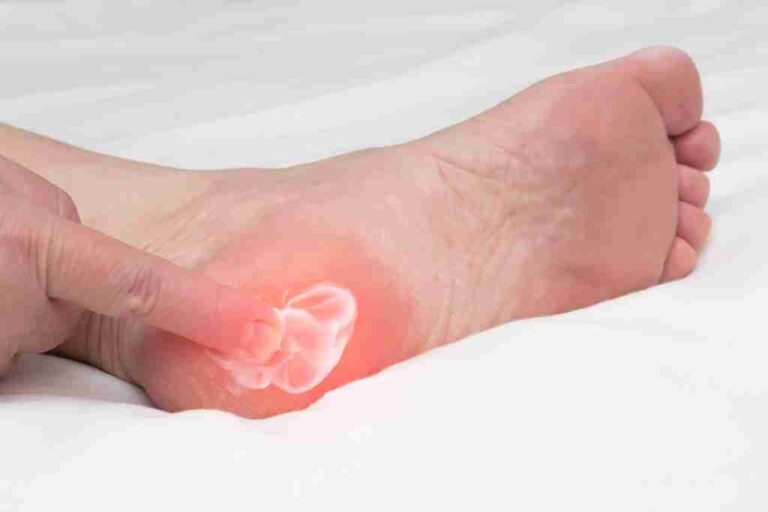
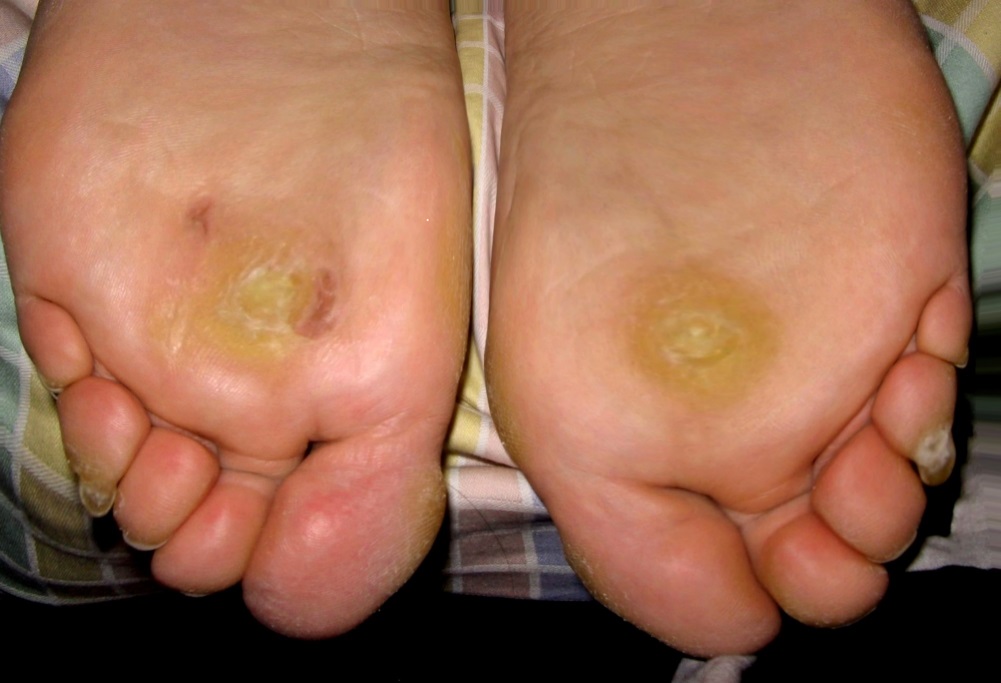
Understanding the persistence of plantar warts benefits from knowledge of how viruses interact with the skin. These growths typically develop on weight-bearing areas of the foot, such as the heels or balls of the feet. Because the virus grows in warm, moist environments, public pools and locker rooms are frequent sites of transmission. Pressure causes the lesion to grow inward, leading to discomfort during daily activities. Consulting a foot doctor can provide guidance on identification and care.
Myths
Several misconceptions surround the diagnosis and management of plantar warts, and consulting a foot doctor can explain appropriate steps for assessment and treatment. Patients may believe false information regarding transmission, but accurate knowledge helps in management. Before seeking treatment, it is helpful to know the difference between myths and reality.
Only Children Get Them
Although pediatric cases are frequently reported, adults are not immune to this condition. Adults frequently contract the virus in communal spaces like gyms or shower facilities. The virus does not discriminate by age, nor does it solely target younger immune systems. While children’s immune systems are still developing defenses, adult immune systems sometimes also fail to recognize the virus immediately.
They Disappear Quickly
Some people choose to wait for lesions to disappear on their own. Some key points to think about include:
- Natrual resolution is possible, but it can take months or even years.
- Waiting is a passive strategy that carries the risk of the lesion spreading to other areas of the foot.
- The virus can stay active in the skin for long periods, prolonging the condition.
Cutting Removes Them
Patients may attempt home surgery, but this approach carries risks of infection and scarring. Attempting to excise the growth at home rarely removes the entire viral root structure. Because the infected tissue sits deep within the dermis, superficial cutting fails to resolve the underlying issue. Aggressive home removal can actually push the virus deeper into the tissue.
Facts
Warts are a common but often misunderstood skin condition. They can appear on various parts of the body and sometimes spread if not properly addressed. Understanding the key facts about warts can help individuals make informed decisions about treatment and prevention.
Anyone Can Develop Them
Susceptibility varies with individual immune function and environmental exposure. If the skin barrier is dry or cracked, the virus enters the body more easily. Athletes are at risk due to shared facilities, yet sedentary individuals can also contract the virus through surface contact.
They Grow Within Skin
Some key ways these lesions develop can include:
- The growth may look superficial, but it extends into the deeper dermal layers.
- Callused skin often forms over the lesion, acting as a defensive barrier for the virus.
- Pressure from walking forces the lesion to grow inward instead of outward.
- This inward growth is the primary feature that differentiates these lesions from common hand warts.
HPV Causes Infection
The human papillomavirus causes these benign skin growths when it enters the outer layer of the skin. Over 100 strains of HPV exist, but only a few specific types affect the feet. Although the virus is contagious, direct contact or exposure to infected skin flakes is usually required for transmission to occur. The virus needs a point of entry to establish itself.
Seek Care from a Foot Doctor
If you notice persistent pain or visible changes on your foot, a medical examination by a foot doctor is an option. Plantar warts require appropriate attention to prevent spread to other family members or other parts of your body. Schedule an appointment today.