How To Manage Symptoms of Varicose Veins
Managing varicose veins involves daily care and lifestyle adjustments. While some factors are genetic, some symptoms can be alleviated through consistent habits. You can reduce discomfort when you understand your body and take small steps every day.
Prioritizing Movement for Varicose Veins
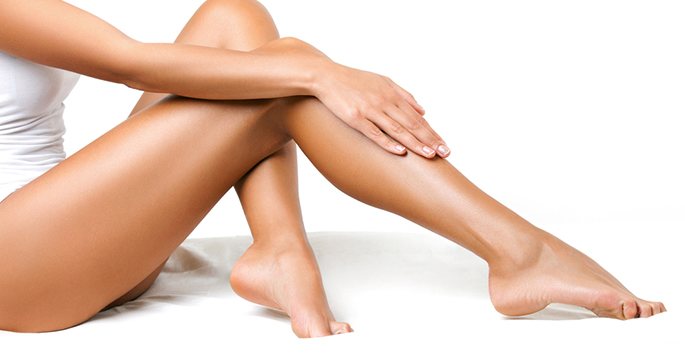
Movement helps maintain healthy circulation in your legs. Standing or sitting for long periods allows blood to pool in your veins, but regular breaks help. When you move your legs, your calf muscles pump blood back toward your heart. Try to walk for a few minutes every hour during your workday. This habit improves flow and helps prevent the heavy feeling that often accompanies varicose veins. Simple leg exercises at home or work—such as ankle rolls, toe raises, and gentle calf stretches—help keep blood from pooling and are easy to fit into short breaks. When sitting for long periods, flex your feet up and down regularly to activate the lower leg muscles. These small actions may feel minor, but together, they support healthier veins.
Elevation is another helpful approach for symptom management. Gravity works against your veins when you stand, so elevating your legs provides relief. Lie down and prop your legs up on pillows above your heart. Aim to elevate your legs a few times each day, especially after being on your feet. Do this for fifteen minutes daily, or try it whenever your legs feel swollen or tired. This practice reduces pressure in the varicose veins and helps fluid drain more easily from your lower limbs. Incorporate elevation into your evening routine or after physical activity to ease discomfort and reduce swelling. Using this method regularly provides more relief and helps prevent symptoms from worsening.
Wearing Compression Stockings
Since compression stockings are a standard recommendation, they are a common first step. These garments apply gentle pressure to your legs, helping veins move blood more efficiently. They are tightest at the ankle and gradually loosen as they go up the leg. Put them on first thing in the morning, before swelling has a chance to start. Consistent use matters, but the fit must be correct for your specific measurements. Choosing the right compression level helps with comfort. Stockings come in various strengths, so consult a specialist to find the one that works for you. Wearing the wrong size may be ineffective or cause additional discomfort if it is too tight. Start with a lower compression level if you are new to them, and adjust as needed over time.
Using Medical Interventions
Sometimes lifestyle changes are not enough to manage all symptoms. If pain persists despite your best efforts, medical treatments offer more lasting solutions for problematic veins. Procedures are minimally invasive, and they may require less recovery time. Two common options doctors recommend are endovenous laser therapy and sclerotherapy. Endovenous laser therapy uses heat to close off damaged veins. A thin fiber is inserted into the vein, and laser energy seals it shut from the inside. Blood naturally reroutes to healthier veins, so the treated vein fades over time. This method is often chosen for larger varicose veins, and most people walk soon after the procedure.
Take The Next Step
You do not have to live with constant leg discomfort. Managing varicose veins is a process, but proper care and guidance make it manageable. Start with simple changes or reach out to a specialist for advanced treatment options. Although it may seem overwhelming at first, you can help manage your symptoms by consistently following your routine. Make an appointment to discuss your options today.