
Holistic Approaches to Women’s Care
A women’s care clinic is a specialized medical facility that addresses the health needs of women and people assigned female at birth (AFAB) throughout their lives. These clinics offer an integrated environment where you can access a range of services, from routine gynecological exams to specialized treatments for complex conditions. By consolidating these services into one location, you can benefit from coordinated care that prioritizes convenience and continuity. Here’s more information on women’s care services and how providers use routine appointments to provide holistic, personalized care to each patient:
Assessing Reproductive Health
Comprehensive reproductive healthcare forms the foundation of services at a women’s care clinic. Providers at these facilities utilize advanced diagnostic tools to evaluate the function and health of the reproductive system. This often begins with a detailed medical history and physical examination, but it extends to specialized testing when necessary.
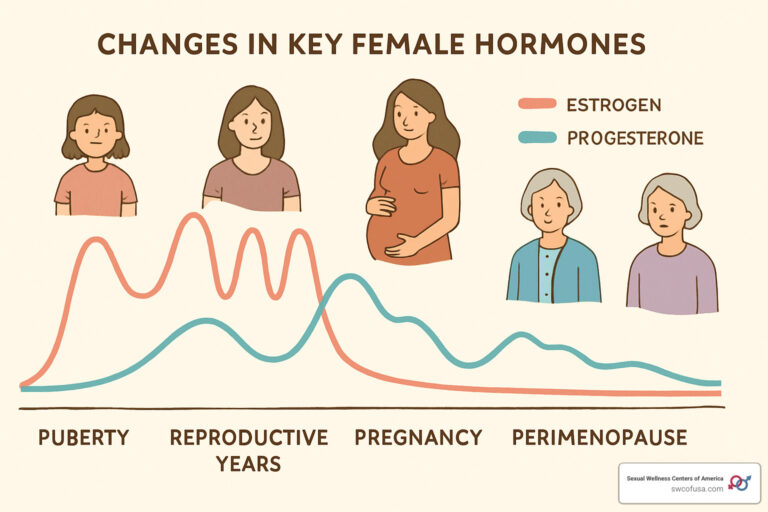
Clinics typically offer services such as pelvic ultrasounds, blood hormone panels, and fertility assessments to gain a clear picture of health. Understanding the nuances of your cycle and hormonal balance is fundamental to addressing concerns like irregular periods or difficulty conceiving. Women’s care clinics also provide family planning counseling, helping you make informed decisions about contraception and future pregnancy goals if interested. By offering a full spectrum of assessment tools, these clinics help identify and manage potential issues through annual appointments.
Managing Reproductive Conditions
When a reproductive health condition is identified, women’s care clinics provide structured management plans tailored to the specific diagnosis. Many people visit these clinics for help with chronic conditions like:
- Endometriosis
- Polycystic Ovary Syndrome (PCOS)
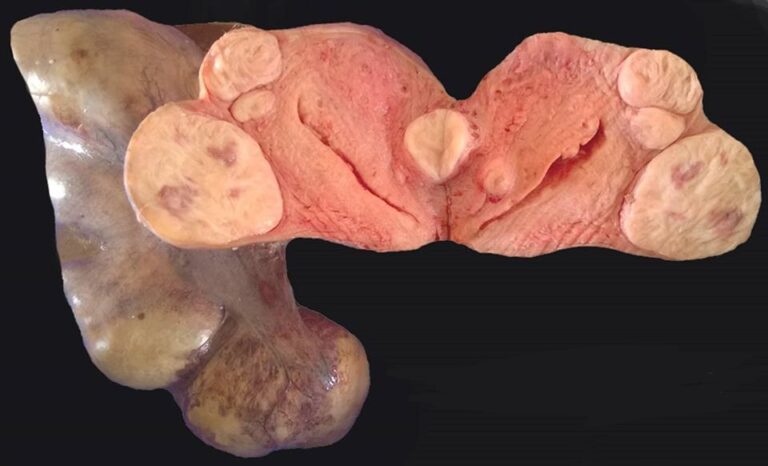
- Uterine Fibroids
These conditions can significantly affect some individuals’ daily quality of life, but targeted medical interventions can help manage symptoms effectively.
Treatment approaches vary depending on the severity of the condition and your personal health goals. For some, hormonal therapies or non-invasive medications are sufficient to control symptoms. Minimally invasive surgical procedures may be recommended when there are structural issues within the reproductive tract. Gynecologists work closely with their patients to explain the available options, outlining the potential benefits and risks of each path. The goal is to reduce discomfort and improve long-term health outcomes through evidence-based medical practices.
Visiting a Clinic Routinely
Establishing a routine relationship with a women’s care provider, like a gynecologist, is a key component of long-term wellness for women and AFAB individuals. Regular appointments foster open communication between you and your provider, creating a safe space to discuss sensitive topics. This ongoing relationship helps your provider notice minor changes in your health, often before conditions become more significant. Consistent visits allow your provider to track changes in your health over time and adjust care plans as your body and needs evolve.
What Is a Well-Woman Exam?
A well-woman exam is a comprehensive annual check-up focused on reproductive and overall health. During the visit, your provider typically performs a pelvic exam, a clinical breast exam, and may recommend additional screenings like a Pap smear or HPV testing based on factors like:
- Age
- Medical History
- Personal Risk Factors
Beyond this physical assessment, a well-woman exam is an invaluable opportunity to discuss related topics such as contraception, menstrual irregularities, or how to maintain a healthy lifestyle.
What Are Preventive Screenings?
Preventive screenings are a fundamental aspect of routine women’s care, as these screenings help to detect abnormalities at their earliest stages when they are most treatable. Standard protocols typically include Pap smears to screen for cervical cancer, HPV testing, and clinical breast exams. Depending on age and risk factors, providers may also recommend bone density scans or mammograms.
Schedule a Women’s Care Consultation
Taking a proactive approach to health is the most effective way to protect your long-term well-being. Regular check-ins with a gynecologist are imperative for overall health, as a specialist can determine which treatments are most effective. To learn about your reproductive health, contact a women’s clinic to schedule an appointment today.