
How Therapy Can Help With Post-traumatic Stress Disorder
Post-traumatic stress disorder (PTSD) is a mental health condition triggered by a terrifying event, either experiencing it or witnessing it. Some individuals experience difficulty adjusting and coping after such events, but time and clinical care can help. Here is more information on the disorder’s pathology and how clinical therapy addresses its symptoms:
What Is PTSD?
Post-traumatic stress disorder (PTSD) is a psychiatric disorder that may occur in people who have experienced or witnessed a traumatic event, series of events, or set of circumstances. An individual may experience this as emotionally or physically harmful or life-threatening, and it affects mental, physical, and social well-being. Therapy provides a structured environment to process the trauma safely under clinical supervision. This intervention aims to reduce symptoms and improve functioning.
What Causes It?
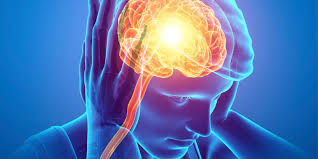
The exact cause of PTSD is not fully understood, but it involves a complex mix of physical, genetic, and environmental factors. It may stem from how the brain regulates the chemicals and hormones the body releases in response to stress. This regulatory mechanism impacts how a person encodes memories of fear and danger. Life experiences also influence the development of the condition, including the amount and severity of trauma experienced since early childhood.
The body’s natural “fight-or-flight” response is designed to protect individuals from harm. In PTSD, this reaction is changed or damaged, and people who have PTSD may feel stressed or frightened even when they are not in danger. The brain remains in a state of hyperarousal despite the absence of a threat.
What Are the Symptoms?
Symptoms of PTSD can cause significant problems in social or work situations and in relationships. They also interfere with your ability to go about your normal daily tasks. Symptoms generally fall into four distinct categories:
- Intrusive memories: recurrent, unwanted, distressing memories of the traumatic event or reliving the traumatic event as if it were happening again (flashbacks).
- Avoidance behaviors: trying to avoid thinking or talking about the traumatic event or avoiding places, activities, or people that remind you of the traumatic event.
- Negative changes in thinking and mood: hopelessness about the future, memory problems, or difficulty maintaining close relationships.
- Changes in physical and emotional reactions: also called arousal symptoms, which include being easily startled, feeling tense, or having difficulty sleeping.
The intensity of symptoms can vary over time.
What Is Therapy?
Psychotherapy, also called talk therapy, is a treatment for people with PTSD. It involves a variety of treatment techniques that help you identify and change troubling emotions, thoughts, and behaviors. It can be used for children and adults, and it takes place in a one-on-one setting or a group environment.
How Can It Help?
Therapy provides the tools to gain control over lasting fear and distress. It helps individuals make sense of traumatic experiences, and patients integrate them into their lives without becoming debilitating. This process reduces the memory’s hold over current emotional states.
This treatment option can also help individuals confront and manage their fears in a safe, controlled environment. By gradually facing trauma-related memories and situations, the associated distress may diminish over time, and this helps reduce anxiety and regain a sense of control. A therapist will also provide skills and strategies to cope with symptoms.
Treat Your PTSD Now
Early intervention helps alleviate the long-term effects of post-traumatic stress disorder. If you have disturbing thoughts and feelings about a traumatic event for more than a month, talk to a doctor or a mental health professional, as they will help prevent PTSD symptoms from getting worse. Book a consultation today.