
How To Choose the Right Ophthalmologist for Your Eye Care Needs
Maintaining eye health requires regular check-ups with a qualified specialist, and selecting the right provider is key to this process. Understanding the distinct roles of eye specialists helps clarify which doctor to see for specific needs. An ophthalmologist is a medical doctor who specializes in comprehensive eye and vision care. Here is more information on how to choose the right ophthalmologist for your eye care needs:
What Is an Ophthalmologist?
An ophthalmologist is a doctor who specializes in comprehensive eye and vision care. These professionals diagnose and treat various eye diseases, perform necessary eye surgeries, and prescribe and fit eyeglasses and contact lenses. Patients with complex medical histories may require specialized care to manage their overall health effectively, and an ophthalmologist provides valuable guidance.
What Services Do They Offer?
Ophthalmologists offer a comprehensive range of eye care services, spanning from basic vision exams to complex surgical procedures. They perform eye exams to assess overall health, and they prescribe medications to treat specific eye infections or diseases. Advanced interventions range from laser therapy to vitrectomy for diabetic retinopathy treatment.
They also provide preventative care to maintain long-term vision health. This includes screening for diseases with no early symptoms, such as glaucoma, or monitoring diabetic patients for signs of diabetic retinopathy. Regular visits allow the doctor to track changes over time, and this continuity of care supports better long-term outcomes for the patient.
What Conditions Do They Treat?
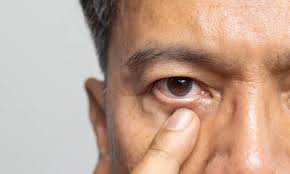
Ophthalmologists treat a wide spectrum of conditions affecting the eye and visual system. Common issues include refractive errors, but they also manage chronic diseases such as glaucoma and macular degeneration. These specialists are trained to handle eye injuries and infections, providing immediate care to prevent permanent damage or vision loss.
Ophthalmologists also diagnose and treat:
- Cataracts
- Retina disease
- Diabetic retinopathy
- Retinal detachment
- Floaters
What Does a Consultation Involve?
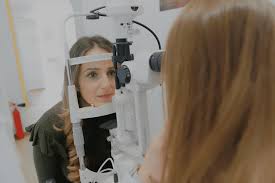
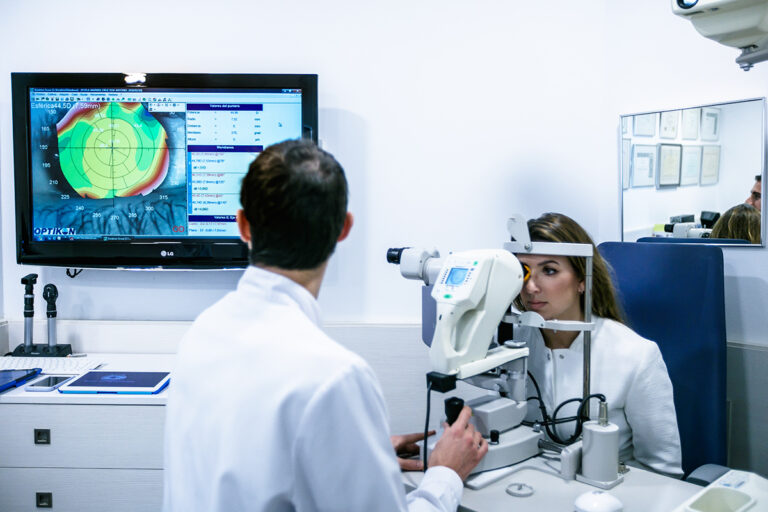
A typical consultation begins with a review of your medical history and a discussion of any current vision problems. The doctor will perform visual acuity tests to measure how well you see at various distances, and they may assess your peripheral vision to check for blind spots. Following the examination, the doctor discusses the findings with the patient and outlines a treatment plan or recommends further testing if necessary.
What Are the Benefits?
Seeing an ophthalmologist provides access to medical and surgical eye care. They possess the training to handle complex cases that other eye care providers cannot manage, and they can perform surgery if conservative treatments fail. This expertise is beneficial for patients with systemic health issues, such as diabetes or high blood pressure, which often impact ocular health.
Early detection of serious eye conditions is a primary benefit of regular visits to an ophthalmologist. Some eye diseases progress without pain or noticeable symptoms in the early stages, but early treatment helps preserve vision. Comprehensive exams uncover these hidden issues; timely intervention prevents irreversible damage to the visual system.
Choose an Ophthalmologist Today
Selecting a qualified ophthalmologist is a proactive step toward maintaining vision and overall health. These specialists offer specialized eye care, from routine exams to advanced surgery, and they provide necessary treatments for complex conditions. Prioritize your vision by scheduling a consultation, as regular care helps preserve your sight for the future.