
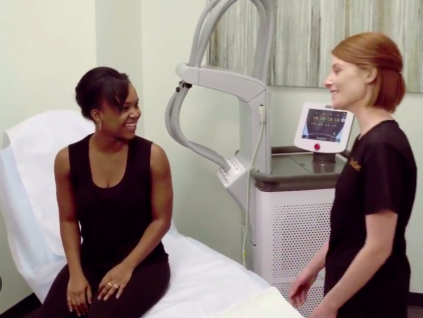
What To Discuss During Your First Dermatologist Visit
A dermatologist is a medical doctor who specializes in diagnosing and treating the various conditions affecting the skin, hair, and nails. These specialists provide preventative care like skin cancer screenings, and they also manage chronic issues such as eczema or psoriasis. Your initial appointment with a dermatologist is an opportunity to ask questions and understand what they offer, so preparing a clear agenda may help you utilize the time well. Here is more information about things to discuss at your first appointment:
Discuss Your Specific Needs
Arrive ready to explain why you scheduled the appointment with the dermatologist. Keep a list of your symptoms or questions on your phone, or you can write them down on a notepad. Clear communication can help the doctor address your primary concerns efficiently.
Common reasons for a visit may include persistent acne that does not respond to over-the-counter products. Some individuals seek help for hair loss, but others might notice changes in the appearance of their nails. Some topics for discussion about symptoms may include:
- New or changing moles
- Persistent rashes or hives
- Stubborn acne or rosacea
- Hair thinning or loss
- Nail fungus or discoloration
When you are honest about your lifestyle habits, it helps the doctor diagnose you accurately. Sun exposure affects your skin health, and smoking can delay wound healing. The doctor needs the full picture to help you effectively.
Review the Offered Services
Not all clinics provide every type of procedure or treatment option. Some doctors focus on medical dermatology, but others might specialize in cosmetic procedures like laser therapy. You can ask which treatments are available at that specific location.
Medical dermatology addresses health issues, such as skin cancer, varicose veins, and eczema. The provider may perform Mohs microsurgery to remove cancerous cells from the skin, or they may prescribe medications for skin conditions like acne or eczema. If you have spider veins or varicose veins, a dermatologist may offer ablation or sclerotherapy treatments to treat the veins.
For cosmetic procedures, a dermatologist may offer injectables or laser resurfacing to restore a more youthful appearance to the skin. If you have fine lines or wrinkles, a dermatologist may administer facial fillers to smooth the skin and restore volume. Jawline contouring or hair loss restoration may also be options, and some offices offer treatments for acne scars or sun damage.
Assess Your Family History
Genetics plays a role in your susceptibility to certain skin diseases. If your parents had melanoma or other skin cancers, you face a higher risk yourself. Your doctor can adjust your screening schedule based on this information, so you should share it immediately.
Be ready to share details about close relatives with autoimmune diseases or chronic skin conditions. This context helps the doctor watch for early warning signs, and it guides their diagnostic process. Because early detection can increase the effectiveness of the treatment, it can help to disclose any risk factors to the doctor in the first appointment.
Find a Dermatologist Today
This initial conversation establishes a relationship that supports your skin health for years. Discuss your needs, review the doctor’s services, and share your medical and family history. Taking these steps helps enable your provider to create a treatment plan going forward. If you want to learn more about how to improve or maintain your skin health, visit a dermatologist today.