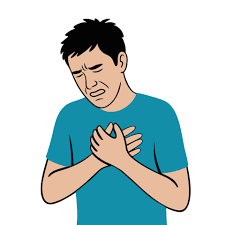
Differentiating Between Types of Chest Pain
Chest pain is a symptom that can range from mild discomfort to a medical emergency, and the cause is not always related to the heart. It may be linked to muscle strain, acid reflux, lung conditions, anxiety, or cardiovascular problems that require urgent evaluation. Understanding these patterns can help you respond appropriately and avoid dangerous delays. Here is more information on how to differentiate between common types of chest pain:
Recognizing Emergency Red Flags
If you feel a crushing weight on your chest, you must seek help immediately. This sensation often indicates a heart attack, and time is a key factor in treatment outcomes. Other red flags include shortness of breath, cold sweats, and nausea accompanying the pain.
Pay attention if the discomfort also spreads to your back, neck, jaw, or arms. These are classic signs that the heart is not receiving sufficient oxygen-rich blood, which necessitates emergency intervention. You should think about visiting an emergency room if the chest pain lasts more than a few minutes or goes away and comes back. Make sure you do not drive yourself to the hospital if you suspect a heart attack.
Identifying Heart Pain Patterns
Heart-related issues often present with specific characteristics that differ from other types of pain. Angina, or pain in the chest caused by reduced blood flow to the heart, is a common culprit that requires medical management. Here are symptoms typically associated with heart-related chest pain:
- Pressure, fullness, or squeezing in the center of the chest.
- Pain that radiates to the shoulder, arm, back, neck, or jaw.
- Discomfort that worsens with physical exertion or emotional stress.
- Sensations of burning that may be mistaken for indigestion but do not improve with antacids.
These symptoms suggest a fundamental cardiovascular issue that requires assessment by a cardiologist.
Exploring Lung/Circulation Patterns
Problems with the lungs or blood circulation can also trigger significant chest discomfort. A pulmonary embolism occurs when a blood clot blocks blood flow to the lungs, causing sharp pain that typically worsens when you breathe in deeply. Pneumonia is an infection that inflames the air sacs in one or both lungs, which may cause chest pain when you cough or breathe.
Pericarditis is inflammation of the tissue surrounding the heart, characterized by sharp pain that changes with position or lying down. Identifying these specific sensations is helpful for narrowing down the underlying cause. Make sure you monitor how the pain changes with movement or breathing to help your doctor diagnose the issue.
Separating Digestive and Anxiety-Related Patterns
Not all chest discomfort originates in the heart or lungs; several other organ systems can produce symptoms that mimic serious cardiac events. Issues like heartburn or anxiety often create alarming sensations that confuse patients. Common non-cardiac causes of chest pain include the following patterns:
- A burning sensation behind the breastbone caused by acid reflux or indigestion.
- Sharp pain in the chest wall due to strained muscles or injured ribs.
- Sudden, intense chest tightness associated with panic attacks or severe anxiety.
- Tenderness or soreness when pushing on the chest area.
If the pain subsides after taking antacids or resting, it may not be heart-related, but you should still consult a doctor to be sure.
Get Evaluated for Chest Pain
Determining the exact cause of pain in the chest is a complex process that requires professional medical insight. Ignoring symptoms can lead to severe complications, so it is safer to seek professional advice than to wait. Contact a qualified cardiologist near you to schedule your consultation and get evaluated for chest pain today.