
Understanding Hernia Surgery Types and Recovery Expectations
When a hernia causes discomfort or limits your daily life, surgery is a typical treatment path. Hernia repair surgery addresses the weakness in the abdominal wall, and surgeons use different techniques to achieve this. Understanding these surgical options can help you prepare for the process ahead. Here are some hernia surgery types, as well as their recovery expectations:
Traditional Methods
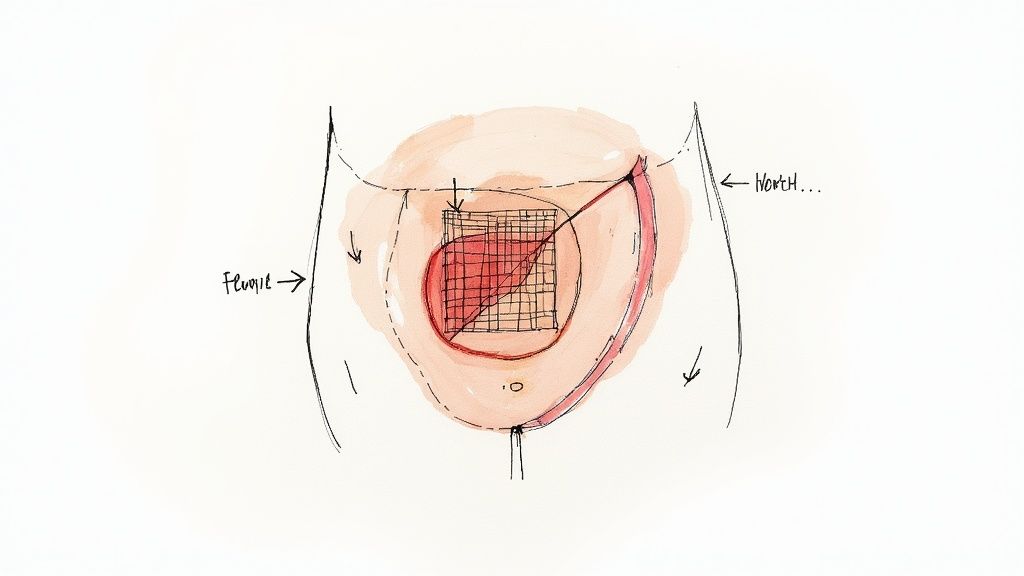
Traditional open surgery involves a single, longer incision. In some cases, surgeons make this cut near the hernia so they can directly see and repair the weakened tissue. This approach allows surgeons to push the protruding tissue back into place, and they may use a surgical mesh to reinforce the abdominal wall.
Minimally Invasive Techniques
Minimally invasive techniques have advanced hernia repair procedures. These methods use several small incisions instead of one large one, which is why patients typically
experience a different recovery. Surgeons insert specialized instruments through these small cuts to perform the repair. This approach generally results in less scarring and may offer a quicker return to normal activities for many individuals.
Two primary types of minimally invasive surgery are available for hernia repair. Laparoscopic and robotic surgery both fall under this category, and they share many foundational principles. The main difference between them lies in the technology and instruments used during the operation.
Both methods provide the surgeon with a magnified, high-definition view of the surgical area. A small camera, inserted through one of the incisions, transmits images to a monitor in the operating room. This enhanced view allows for precise movements and detailed work during the hernia repair.
Robotic Surgery
Robotic surgery is a sophisticated form of minimally invasive repair. The surgeon operates from a console within the operating room, and this console controls robotic arms that hold the surgical instruments. Because the robotic system provides a 3D, high-definition view, the surgeon has excellent visibility. The robotic arms offer a greater range of motion and precision than the human hand.
Laparoscopic Surgery
Laparoscopic surgery is another minimally invasive option. The surgeon holds and manipulates the surgical instruments directly, while a thin, lighted tube with a camera shows the internal structures on a video screen. This method allows the surgeon to perform the entire repair through small incisions.
Steps in laparoscopic repair include:
- Inflating the abdomen with gas to create space.
- Inserting the laparoscope to view the area.
- Using special instruments to repair the hernia.
This technique requires careful consideration of the patient’s overall health, as certain conditions may increase the risks or limit the suitability of laparoscopic repair. By providing enhanced visibility and precision, laparoscopic surgery has become a widely accepted approach for treating various types of hernias effectively. Recovery expectations vary depending on the surgical method used and individual patient factors
Schedule Hernia Surgery Today
Deciding on the right type of hernia surgery is a discussion to have with your healthcare provider. After evaluating your specific hernia and overall health, a surgeon can recommend a suitable approach. If you are experiencing symptoms of a hernia, the next step is to talk to a professional. Contact a clinic to schedule a consultation with a surgeon and learn more about your treatment options.