
Understanding the Various OBGYN Specializations
The field of obstetrics and gynecology, commonly known as OBGYN, covers a wide range of women’s health needs. An OBGYN is a doctor who specializes in both obstetrics, which deals with pregnancy, childbirth and the postpartum period, and gynecology, which involves the health of the female reproductive system. While a general OBGYN provides comprehensive care, some doctors pursue further training in specific subspecialties. These specialists offer advanced care for complex health situations, providing a deeper level of expertise.
What Are OBGYN Specializations?
After completing their residency, an OBGYN can choose to undertake a fellowship to become a subspecialist. This additional training focuses on a particular area of women’s health. The American Board of Obstetrics and Gynecology recognizes several key subspecialties within the field.
These specializations include:
- Maternal-Fetal Medicine
- Reproductive Endocrinology and Infertility
- Gynecologic Oncology
- Female Pelvic Medicine and Reconstructive Surgery
Each subspecialty requires several years of focused training after the initial OBGYN residency. This path allows physicians to develop expert knowledge and skills to manage specific conditions. Patients may see these specialists when their care requires a higher level of intervention than a general OBGYN provides.
What Care Does Each Provide?
Each subspecialty addresses distinct aspects of women’s health, from high-risk pregnancies to pelvic floor disorders. Understanding what each specialist does can help you navigate your healthcare choices. Their focused expertise allows for tailored treatments and management plans.
Maternal-Fetal Medicine
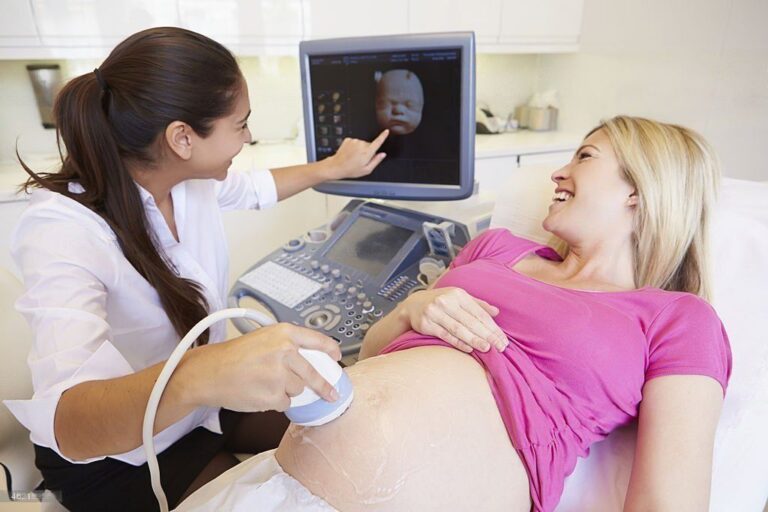
Maternal-fetal medicine specialists, or perinatologists, manage high-risk pregnancies. They care for patients with pre-existing health conditions or those who develop complications during pregnancy, such as gestational diabetes or preeclampsia. These doctors also oversee pregnancies involving multiples or known fetal abnormalities. They use advanced ultrasound techniques and perform specific prenatal tests.
Reproductive Endocrinology and Infertility
Reproductive endocrinologists focus on issues related to hormones and fertility. They diagnose and treat conditions like polycystic ovary syndrome (PCOS), endometriosis and ovulation disorders. These specialists assist individuals and couples facing challenges with conception. Their work often involves assisted reproductive technologies like in vitro fertilization (IVF).
Gynecologic Oncology
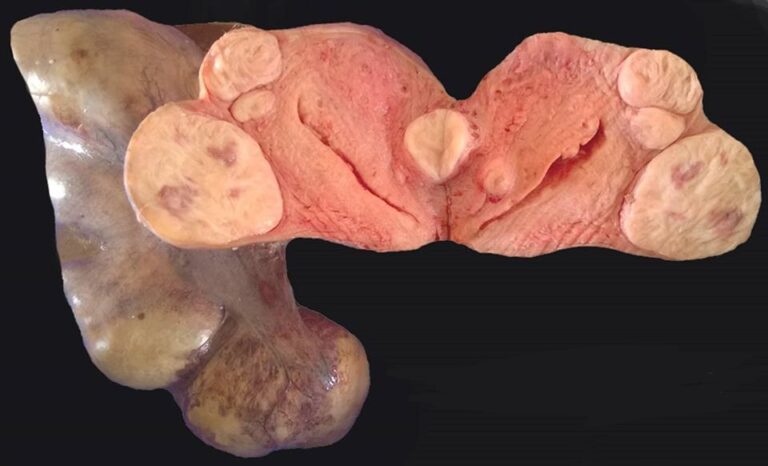
Gynecologic oncologists specialize in diagnosing and treating cancers of the female reproductive system. This includes cancers of the ovary, uterus, cervix, vulva and vagina. Their training covers surgery, chemotherapy and other cancer treatments. They provide comprehensive cancer care, from initial diagnosis through treatment and follow-up.
Female Pelvic Medicine and Reconstructive Surgery
This subspecialty, also known as urogynecology, addresses pelvic floor disorders. These specialists treat conditions such as urinary incontinence, pelvic organ prolapse and bladder or rectal control issues. Their expertise combines gynecology and urology. They offer both surgical and nonsurgical treatment options to improve pelvic floor function and quality of life.
When Is A Referral Needed?
A general OBGYN is equipped to handle most routine and many complex women’s health issues. They typically manage annual exams, prescribe birth control, and oversee healthy pregnancies. They are the primary point of contact for your reproductive health.
A referral to a subspecialist occurs when a condition requires a higher level of expertise. Your OBGYN might recommend a maternal-fetal medicine specialist if your pregnancy becomes high-risk. If you are struggling to conceive, a referral to a reproductive endocrinologist may be the next step. Similarly, a suspected reproductive cancer or a severe pelvic floor disorder would prompt a referral to the appropriate specialist.
Understand Your Options
Navigating women’s healthcare can feel complex, but understanding the different OBGYN roles helps clarify the process. A general OBGYN provides a foundation of care throughout your life. Subspecialists offer focused knowledge for specific health challenges, working with your primary OBGYN to support your well-being. Knowing these options exist can empower you to ask questions and participate actively in your healthcare. For more information about your specific needs, speak with your provider to discuss your personal health plan.