The Connection Between UV Exposure and Skin Cancer Development
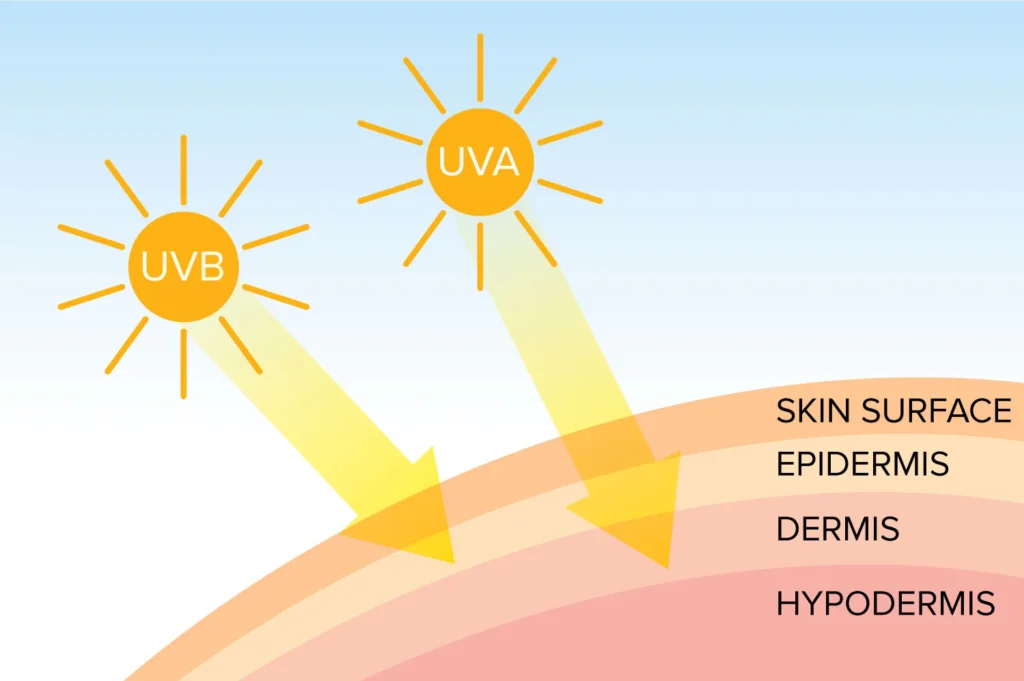
Ultraviolet (UV) radiation is the leading environmental factor linked to skin cancer. The skin’s outer layer protects the body but is susceptible to UV rays from the sun or artificial sources, such as tanning beds. UV radiation can damage DNA in skin cells, and repeated exposure without protective measures, such as sunscreen, increases the risk of mutations that lead to uncontrolled cell growth.
What Causes Skin Cancer?
Skin cancer develops when cells in the epidermis begin to grow abnormally because of DNA damage. UV radiation is the main cause of this damage. There are two primary types of UV rays that reach the Earth: UVA and UVB. UVB rays are generally responsible for sunburns and directly harm DNA, while UVA rays cause long-term skin changes, such as aging and changes in skin texture. Both types contribute to the risk for all major types of skin cancer.
Individuals with lighter skin have less melanin, a pigment that offers some defense against UV radiation. Skin cancer can still develop in all skin types and populations. Artificial sources of UV also increase DNA damage and escalate skin cancer risk.
How Can It Be Prevented?
Prevention relies on practices that reduce the risk of DNA damage from UV radiation, primarily through lifestyle modifications. Complete avoidance of all UV exposure is not practical. Several protective strategies are supported by medical guidance, which assists in decreasing one’s risk of developing skin cancer.
Avoid UV Exposure
Staying indoors or in the shade during hours when the sun is at its peak significantly reduces exposure. For those outdoors, protective clothing is recommended. Wide-brimmed hats shield the face, ears, and neck, and tightly woven fabrics block a greater proportion of UV rays.
Apply Sunscreen
Sunscreen provides a barrier that either absorbs or reflects UV rays. Broad-spectrum sunscreens protect against both UVA and UVB, and a sun protection factor (SPF) of 30 or higher is widely recommended. Sunscreen should be applied to all exposed areas, including ears, neck, and feet. It should be reapplied every two hours or immediately after swimming or sweating.
Conduct Self-Exams
Detecting skin cancer early improves treatment outcomes, and regular self-exams help individuals recognize changes in their skin. It is useful to know the appearance of existing moles, freckles, and spots. Warning signs may include new growths or changes in the appearance of existing moles. A full-length mirror helps inspect areas that are difficult to see, such as the back. Any changes noticed during self-exams should be brought to a medical professional for evaluation.
How Is Cancer Treated?
If skin cancer is diagnosed, several treatment options are available. The selection depends on the type of cancer and is reliant on factors that affect the circumstances of individual patients. Prominent treatment methods include:
- Excision: The tumor and a margin of healthy skin are surgically removed.
- Mohs Surgery: Layer-by-layer removal of the tumor, each examined microscopically, to maximize healthy tissue conservation.
- Cryotherapy: Application of liquid nitrogen freezes and destroys abnormal tissue.
- Radiation Therapy: High-energy rays target and destroy cancerous cells.
Treatment choice is based on the type and location of the cancer, as well as patient preference and medical factors.
Speak Further With a Dermatologist
Consulting with a dermatologist offers specialized expertise, allowing them to help monitor and manage skin health. Professional skin exams can identify changes not easily seen during self-exams and provide individualized recommendations based on risk factors. Regular appointments with a dermatologist can help support early detection, appropriate management, and ongoing care.