
The Benefits of Stress Testing in Cardiovascular Risk Assessment
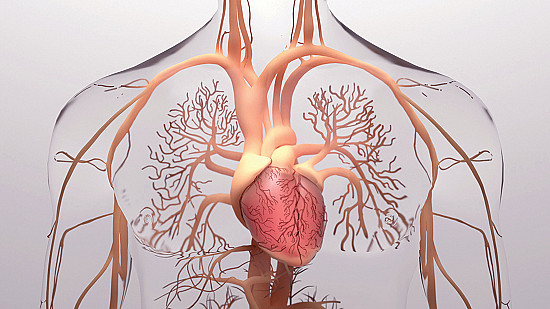
A stress test evaluates heart function, and it can provide information on your heart’s performance during physical activity. This evaluation allows healthcare providers to gather data on your cardiovascular health that may not be apparent when at rest. Here’s information on stress testing, how it works, and how it may benefit you:
Assessing Heart Health
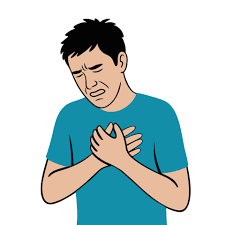
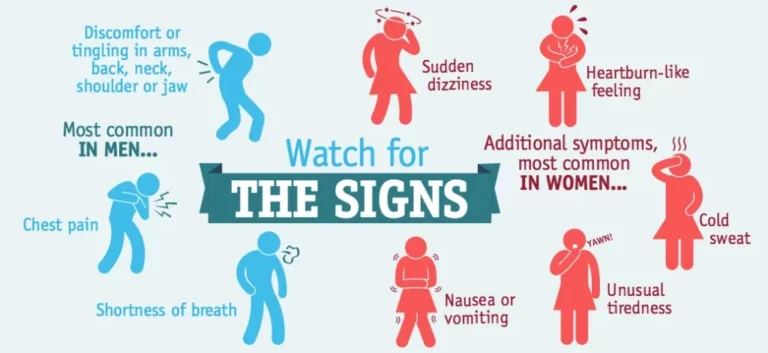
A stress test is a fundamental tool for assessing heart function during physical exertion. In a controlled environment, the heart is observed while increasing its demand for blood and oxygen through exercise. This offers insights into the heart’s overall condition. Stress testing is an invaluable diagnostic tool for individuals experiencing symptoms of potential heart conditions, such as:
- Chest Pain
- Shortness of Breath
- Irregular Heartbeats
What Is Stress Testing Like?
During a typical stress test, you will be asked to walk on a treadmill or pedal a stationary bike. The intensity of the exercise gradually increases, and your heart rate, breathing, and blood pressure are monitored throughout the procedure. Electrodes attached to your chest record your heart’s electrical activity with an electrocardiogram (ECG or EKG). The test continues until you reach a target heart rate or you develop symptoms like chest discomfort or significant fatigue.
Who May Benefit from Testing?
Stress tests are particularly beneficial for those with a family history of cardiovascular disease or pre-existing risk factors, including diabetes, high blood pressure, high cholesterol, or smoking. Athletes or individuals involved in physically demanding activities may also undergo stress testing to assess their heart performance under exertion. Stress testing can help providers evaluate the effectiveness of treatments, such as medication or surgical interventions, by providing key insights into how the heart responds to stress.
Evaluating Symptoms
Individuals who experience chest symptoms, particularly during physical activity, may benefit from a stress test, as it can help determine if symptoms are related to the heart. By reproducing these symptoms in a monitored setting, a provider can connect them with specific changes in ECG readings or blood pressure. This evaluation helps to determine the potential cause of the symptoms and guide further treatment steps.
By monitoring the heart during exercise, a stress test can reveal issues with blood flow within the heart. The ECG readings track changes in your heart’s electrical patterns, and any abnormalities may suggest that parts of the heart muscle are not receiving enough blood. Observing blood pressure and heart rate responses to exertion also provides valuable data, and this information helps form a more complete picture of your cardiovascular function.
Diagnosing Heart Conditions
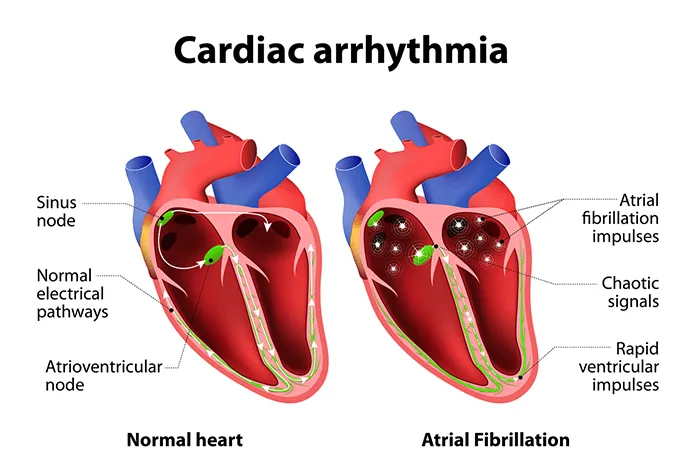
Stress testing is a fundamental component of diagnosing certain heart conditions, such as coronary artery disease (CAD). CAD impacts blood supply to the heart due to artery blockages, and stress testing indicates the severity of these blockages. The test can also help identify arrhythmias, which are irregular heart rhythms that may become more apparent during exercise. The results provide objective data that, along with other diagnostic information, contribute to a comprehensive assessment.
Learn More About Stress Testing Today
A stress test is a non-invasive procedure that offers key information about your heart function. It is a standard tool for understanding how the heart responds to physical stress, and it can be instrumental in evaluating symptoms and assessing risk. By scheduling a cardiovascular appointment, a healthcare provider can offer personalized treatment recommendations for your needs. If you have questions about your cardiovascular health, contact a heart health center to learn more.