Exercises to Alleviate Achilles Tendinitis
Achilles tendinitis is a common condition that occurs when the Achilles tendon, the band of tissue connecting your calf muscles to your heel bone, becomes inflamed. This inflammation typically develops from overuse or sudden increases in activity, leading to stiffness and discomfort in the lower leg. While rest is a component of managing this condition, incorporating specific, gentle movements into your routine can also provide support. Achilles tendinitis often causes discomfort in the back of the leg, and targeted exercises can help support your daily mobility. By focusing on gradual stretching and strengthening, you can improve flexibility and support the structures surrounding the tendon.
Standing Exercises
Standing movements allow you to use your body weight to gently stretch and strengthen the calf and heel area. If you are managing Achilles tendinitis, these exercises may help support flexibility and stability in your lower leg; when performing these movements, move slowly and stop if you experience sharp pain.
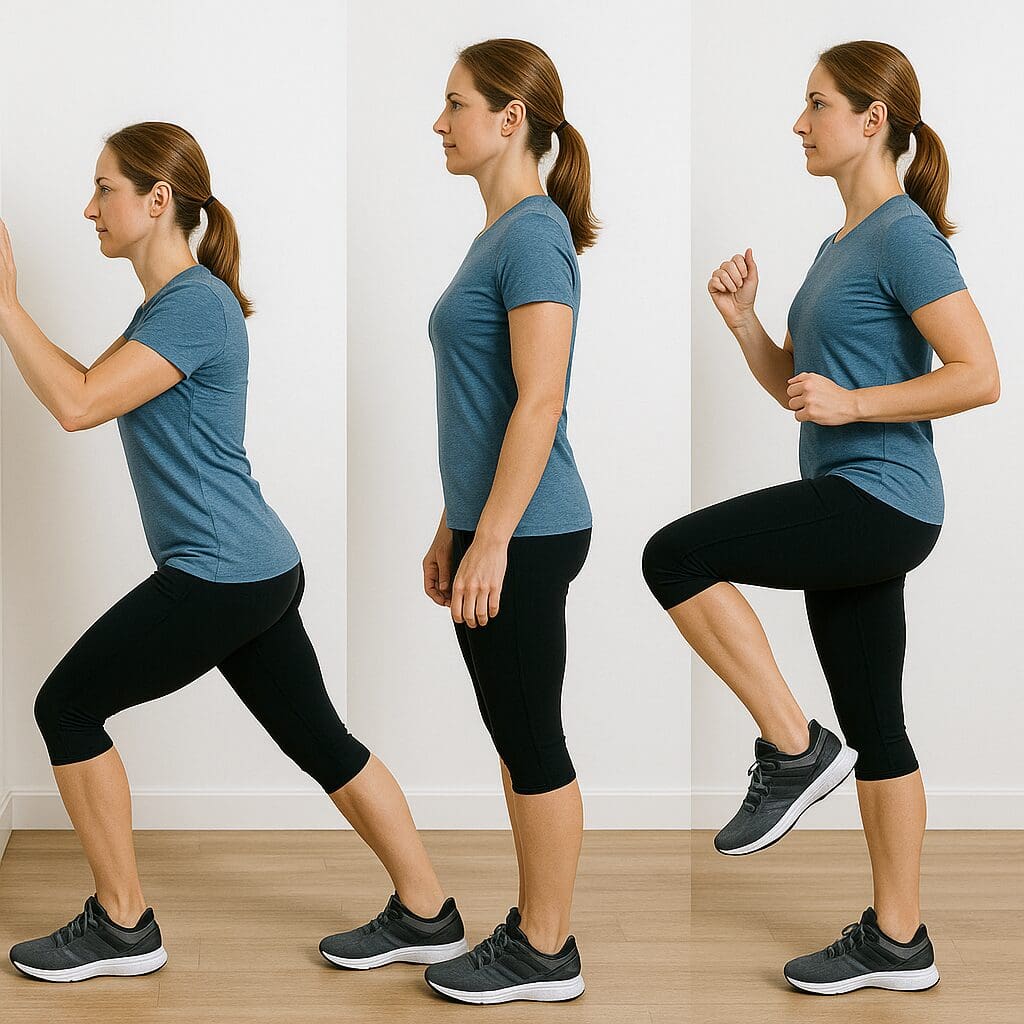
Calf Stretch Against a Wall
This movement focuses on the gastrocnemius muscle, which connects directly to the Achilles tendon.
- Stand facing a wall at arm’s length.
- Place your hands flat against the wall at shoulder height.
- Step one foot back, keeping that leg straight and your heel pressed firmly into the floor.
- Bend your front knee slightly and lean your weight forward until you feel a gentle stretch in the back of your straight leg.
- Hold this position for twenty to thirty seconds, then switch legs.
Heel Raise
Eccentric exercises, such as the heel raise, focus on lengthening the muscle under tension, which supports tendon recovery.
- Stand with your feet shoulder-width apart.
- You can hold the handrail for balance or use a sturdy wall or counter for extra support.
- Raise yourself up onto your tiptoes using both feet.
- Lift both heels in the air as you rise onto your toes.
- Keep your knees straight.
- Lift your unaffected foot from the ground and slowly lower your other heel back down in two or three seconds.
- Aim for three sets of ten repetitions.
Seated or Walking Exercises
Seated movements are ideal when you need to reduce the strain on your lower legs from your full body weight.
Seated Heel Raises
This movement gently engages the calf muscles with minimal resistance.
- Sit in a comfortable, sturdy chair with your feet flat on the floor.
- Keep your knees bent at a ninety-degree angle.
- Slowly lift both heels off the floor as high as you comfortably can, keeping your toes pressed into the ground.
- Hold the top position for two seconds, then slowly lower your heels back to the floor.
- Complete two sets of fifteen repetitions.
Toe Walks
This exercise helps improve strength and stability in the lower legs while placing moderate, controlled demand on the Achilles tendon.
- Stand upright with your feet hip-width apart.
- Slowly lift your heels to rise up onto your toes.
- Walk forward on your tiptoes for about 20 steps, keeping your back straight, shoulders relaxed, and movements controlled.
- Lower your heels back down and rest for a moment.
- Repeat for two to three sets.
Harmful Exercises to Avoid
Movement is helpful, but certain activities place excessive stress on the Achilles tendon and can worsen inflammation. During your recovery period, avoid high-impact activities. Avoid running, especially sprinting or running up steep hills, as this forces the tendon to stretch rapidly under heavy loads. Plyometric exercises like box jumps, jump rope, or burpees should also be avoided due to the impact on the calves.
Ask About Achilles Tendinitis Today
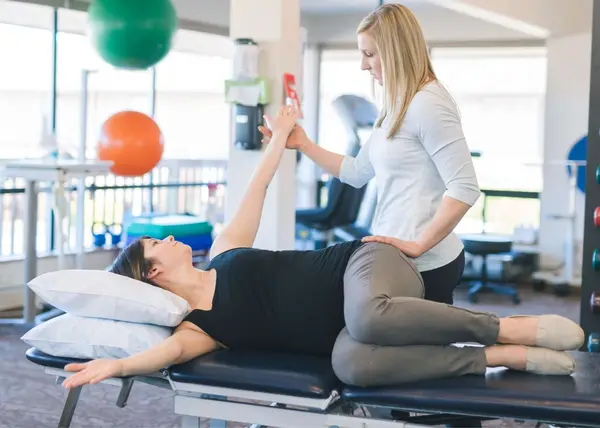
Managing Achilles tendinitis requires a careful balance of rest and appropriate movement. If you are experiencing persistent discomfort in the back of your heel or lower leg, speak with a healthcare provider or a physical therapist. A professional can properly evaluate your specific condition and rule out other potential injuries, and they will provide a comprehensive plan tailored to your needs. Ask your provider any questions you have about your symptoms or these exercises to confirm you are supporting your body safely and effectively.