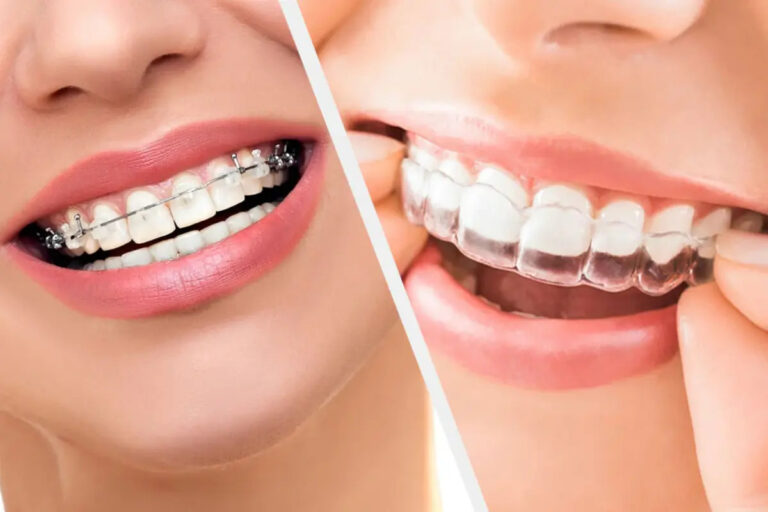
How Invisalign Differs From Traditional Braces
Clear aligners, such as Invisalign, are transparent, custom-fit plastic trays that guide teeth into proper alignment over time. These removable devices are a popular alternative to traditional metal braces. Invisalign offers key benefits over traditional braces in terms of treatment scope, adjustment methods, and daily dental care. Here is information on Invisalign options and how they compare to traditional braces:
Correcting Minor Dental Concerns
Orthodontists use Invisalign to address specific, moderate alignment issues. These clear trays typically address mild to moderate cases of:
- Crowding
- Spacing Issues
- Simple Bite Irregularities (Like Overbites or Crossbites)
For people with minor structural needs, clear aligners adjust tooth positioning without using fixed metal brackets. Traditional braces often handle complex skeletal problems, severe misalignment, or teeth that require significant vertical movement. Assessing the complexity of the dental concern is the primary step in identifying the appropriate treatment method.
Traditional braces use metal wires to move teeth, but clear aligners rely on custom-made plastic trays. The process of Invisalign begins with a comprehensive digital scan of your mouth to map out the exact dental movements from start to finish. Based on these precise digital images, a laboratory manufactures a progressive series of clear plastic trays. You’ll wear each set of trays for a certain period, usually one to two weeks, before transitioning to the next set in the series. Each new aligner applies controlled, specific force to teeth, gradually shifting them into the planned positions over the treatment timeline.
Offering Fast Adjustments
With traditional metal braces, people visit the orthodontist every few weeks to have wires tightened or elastics replaced. This physical process requires dedicated time in the dental chair. Invisalign streamlines this phase of the treatment process. Most orthodontic treatments require regular adjustments to make sure teeth move correctly and effectively.
Instead of physical wire adjustments in a clinical setting, for clear aligners, you switch to the next aligner in your provided series at home. Routine orthodontist visits remain necessary to monitor overall progress, but the physical adjustment happens seamlessly. This fundamental difference often enables shorter and less frequent office visits for those using clear aligner systems.
Making Oral Hygiene Easier
Maintaining clean teeth during orthodontic treatment prevents decay and gum irritation, and traditional metal braces have brackets and wires that may trap food. People with braces must use special flossing tools to navigate around the fixed hardware safely. For clear aligners, you can remove them before eating, so you do not have to modify your daily diet. You can also remove clear aligner trays to brush and floss your teeth normally. This removability helps many individuals maintain their oral hygiene practices.
Contact an Orthodontist About Invisalign
Choosing between clear aligners and traditional braces depends on individual dental alignment needs and personal lifestyle preferences. Both methods effectively move teeth, but they utilize distinct mechanical approaches to achieve those results. An orthodontic evaluation provides the necessary insight to determine which system aligns with your specific structural situation. If you want to explore clear aligners, contact a licensed orthodontist to discuss your options. They can review your dental structure and help you decide if Invisalign is right for your orthodontic care.