The Procedure and Recovery Process of Fallopian Tube Removal
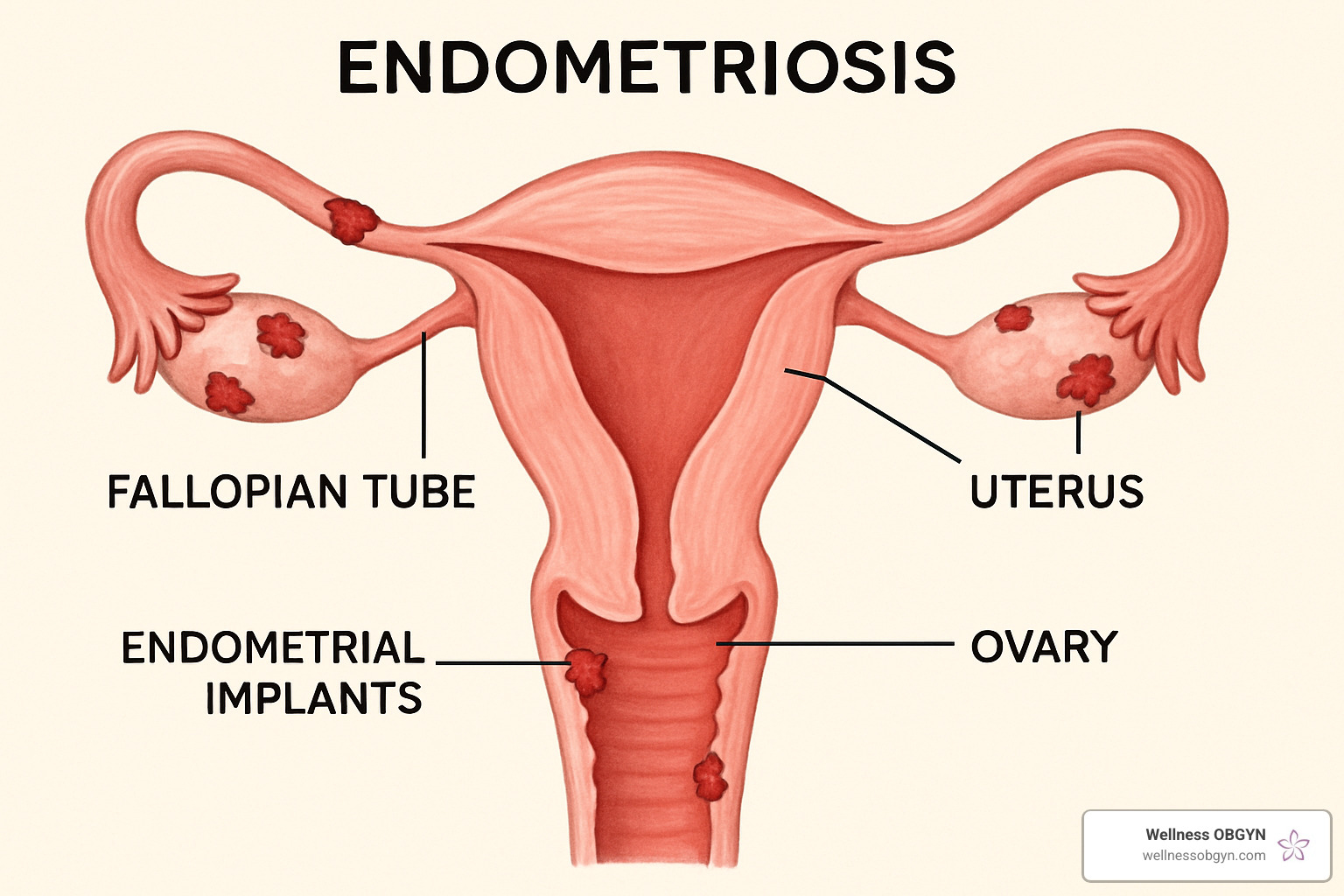
Fallopian tube removal is a surgery in which one or both fallopian tubes are removed. The fallopian tubes connect the ovaries and uterus and are where fertilization of the egg most often occurs. Salpingectomy may be performed for several direct reasons, such as ectopic pregnancy, infections, hydrosalpinx (a fluid-filled, blocked tube), endometriosis, the presence of large cysts, or to manage hereditary cancer risk.
What Is Fallopian Tube Removal?
Unlike tubal ligation, which simply interrupts the tubes to prevent pregnancy, a fallopian tube removal removes the tubes entirely. Reasons to receive this procedure include ectopic pregnancy, in which a fertilized egg implants inside the fallopian tube instead of the uterus, leading to a non-viable pregnancy and medical urgency. Other reasons include severe pelvic inflammatory disease or infections that render a tube nonfunctional.
Some individuals at increased hereditary risk for ovarian cancer will have salpingectomy in conjunction with other gynecologic surgeries. This is due to evidence that some ovarian cancers begin in the fallopian tubes. This surgery may be performed either on its own or with additional procedures, such as hysterectomy or oophorectomy.
What Does It Entail?
The surgery can be accomplished through laparoscopy, a minimally invasive technique. The surgeon creates several small abdominal incisions and uses a laparoscope to view the pelvic organs. Specialized surgical instruments enter through the incisions. The surgeon detaches the fallopian tube from the uterus and surrounding structures, removes it, and closes the incisions with stitches or surgical glue.
The surgery may be done by laparotomy, which is an open approach requiring a larger abdominal incision. This allows direct access to the pelvic organs. The selection of surgical method depends upon certain factors such as medical conditions, operative history, and the reason for surgery.
What Does Recovery Involve?
Recovery after salpingectomy depends on the surgical approach and a person’s general health. Laparoscopic surgery may allow some people to leave the hospital the same day or after a short stay. Return to normal activities is often possible within a few weeks for laparoscopy, though open surgery generally requires a longer recovery period. Mild to moderate pain at the incision sites or within the abdomen may be present; this can be managed with medications as needed.
Patients are usually advised to avoid exercise, strenuous activity, heavy lifting, and sexual intercourse for several weeks. All post-surgical instructions from the treating team should be followed, and follow-up appointments play a role in monitoring healing. Many people can resume working soon after a laparoscopic procedure, although activities that strain the torso should be avoided until your doctor approves.
Speak Further With a Gynecologist
The removal of both fallopian tubes leads to permanent sterility because it prevents eggs from reaching the uterus, but does not trigger menopause if the ovaries are left in place. Menstrual cycles typically continue as normal when the ovaries remain. People anticipating this surgery may have questions about their reproductive health, future fertility, and surgical options. Discussions with a gynecologist can clarify the indications, surgical details, associated outcomes, and available alternatives, providing information tailored to the individual’s health circumstances and needs.