
Understanding the Types of Fibroids and Their Symptoms
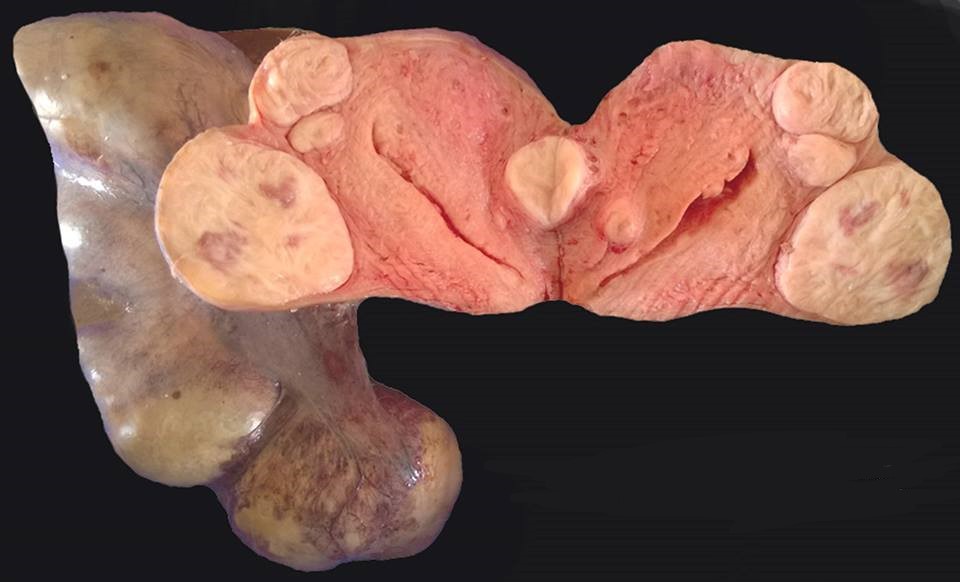
Uterine fibroids are benign muscular tumors, and they can develop in or on the uterus during reproductive years. Because they grow at different rates, symptoms vary significantly from one patient to another. Some individuals experience no physical changes, but others endure heavy bleeding or pelvic pain. Here are the four main types of fibroids and what their symptoms are:
Intramural
Intramural fibroids develop directly within the muscular wall of the uterus. They are a standard type, and they can cause the womb to expand beyond its normal size. While they stay within the wall, they typically lead to heavy menstrual bleeding and pressure. As the uterus stretches to accommodate the mass, the abdominal area appears distended or bloated.
Submucosal
Submucosal fibroids form just underneath the uterine lining, and they project inward into the uterine cavity. Since they bulge into this empty space, they may distort the shape of the reproductive organs. This specific location creates significant challenges for those attempting to conceive or maintain a pregnancy. While they are the rarest type, they cause noticeable problems even when they remain small.
Heavy menstrual bleeding is the primary symptom associated with this specific fibroid classification. Because the growth disrupts the lining, periods can last much longer than a standard cycle. You might notice spotting between periods, or you may experience the passing of large blood clots. Fatigue typically accompanies this blood loss, which eventually leads to anemia in many patients.
While bleeding is normal, submucosal fibroids also trigger intense cramping during the menstrual cycle. The uterus contracts in an attempt to expel the foreign mass. These contractions cause sharp pain, and the discomfort typically radiates to the lower back or legs. Daily activities become difficult to manage during these painful episodes without medical intervention.
Subserosal
Subserosal fibroids originate on the outside of the uterus and grow outward into the pelvic cavity. They project externally, but they do not typically interfere with the heaviness of a woman’s menstrual flow. As the mass increases in size, it places physical pressure on nearby internal organs. Their growth typically creates an asymmetrical appearance of the womb that a doctor feels during exams.
A large fibroid presses on the bladder, and this pressure causes a frequent urge to urinate. If the growth presses posteriorly against the rectum, it blocks waste passage and causes uncomfortable constipation. Backaches are a typical issue with large subserosal growths. Because they are external, patients sometimes feel a hard, distinct lump in the lower abdomen.
Pedunculated
When a fibroid grows on a slender stalk, doctors classify it as a pedunculated fibroid. This stem connects the tumor to the uterus. The stalk might twist suddenly, and this event cuts off the blood supply to the fibroid immediately. Patients report specific warning signs during this occurrence.
- Abdominal pain
- Sudden nausea and fever
- Localized tenderness
Schedule a Visit for Fibroids
Understanding your specific symptoms is the first step toward finding relief and restoring your comfort. If you suspect you have fibroids, a professional diagnosis clarifies your treatment options effectively. Schedule a visit for fibroids today, and let a medical team help you manage your health.