Managing and Preventing Athlete’s Foot for Active Individuals
Athlete’s foot is a common fungal infection that affects the skin on the feet, particularly between the toes. It typically affects athletes who frequently wear tight-fitting shoes and sweat-dampened socks, but anyone can develop this uncomfortable condition. With proper management and prevention strategies, you can effectively treat existing infections and reduce your risk of future occurrences. Here is more information about the treatment and prevention of athlete’s foot:
Typical Causes
Athlete’s foot thrives in warm, moist environments, and locker rooms and public showers create ideal conditions for transmission. The fungi responsible for athlete’s foot, a form of ringworm, spreads through direct contact with infected surfaces or skin. Walking barefoot in communal areas exposes your feet to these organisms, which can then take hold if conditions are right.
Wearing damp socks or non-breathable shoes for extended periods creates the perfect breeding ground for fungal growth. Your feet naturally produce sweat throughout the day, and when moisture becomes trapped against your skin, fungi multiply rapidly. Sharing towels, shoes, or other personal items with someone who has an active infection can also transmit the fungus.
Common Symptoms
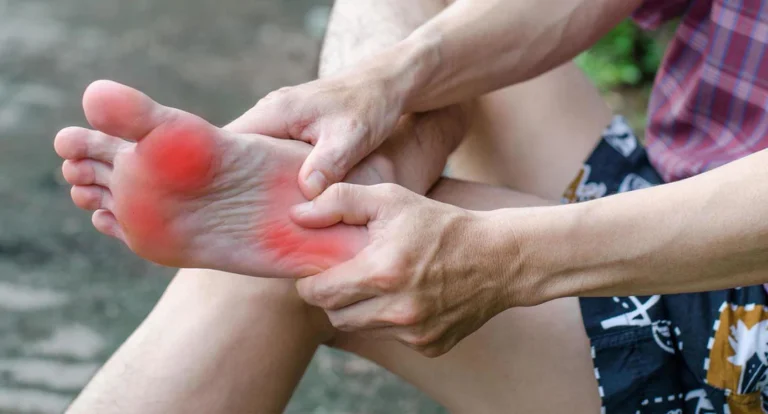
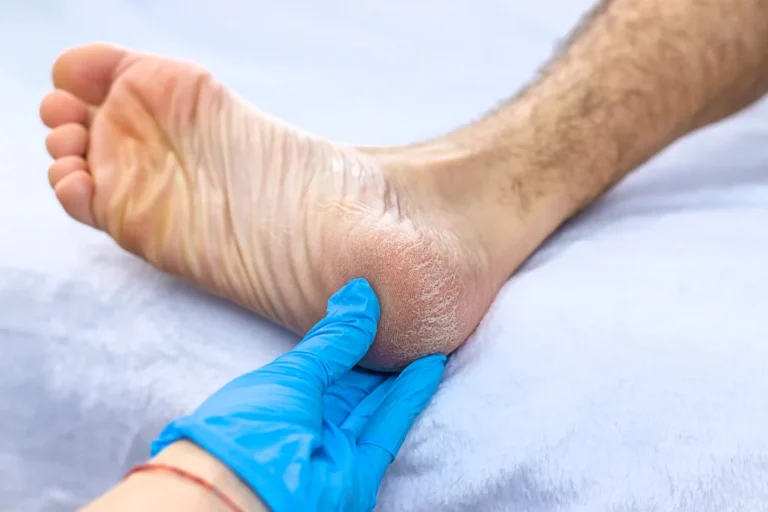
Athlete’s foot presents with several distinctive signs that help identify the infection. Itching between the toes or on the soles of the feet is typically the first noticeable symptom. The affected skin may appear red, scaly, or flaky, and you might notice cracking or peeling, especially between your toes.
Some people develop blisters that that are filled with fluid. The skin on your feet may feel unusually dry or raw, and a burning or stinging sensation often accompanies other symptoms. In more severe cases, the infection can spread to your toenails, causing them to become thick, discolored, or brittle.
Treatment Options
Over-the-counter antifungal medications effectively treat most cases of athlete’s foot. These treatments come in various forms:
- Creams and ointments that you apply directly to affected areas
- Powders that help keep feet dry while fighting infection
- Sprays that reach difficult areas between toes
Apply these medications as directed on the package, typically for one to eight weeks. Continue treatment for the full recommended duration even after symptoms improve, as stopping too early can allow the infection to return.
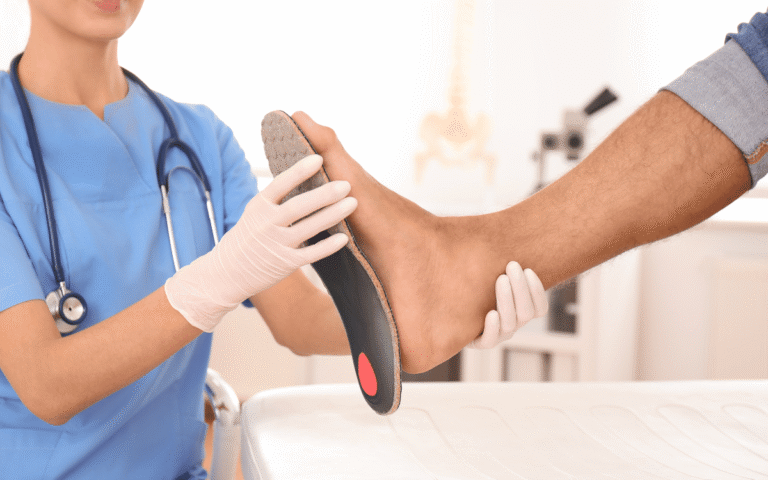
If over-the-counter treatments don’t resolve your symptoms, or if the infection appears to be spreading, consult a healthcare provider. They may prescribe stronger antifungal medications, or they prescribe oral treatments for more stubborn infections. Keep your feet clean and dry during treatment.
Prevention Strategies
Maintaining proper foot hygiene forms the foundation of athlete’s foot prevention. Wash your feet daily with soap and water, and pay special attention to the areas between your toes. Dry your feet thoroughly after bathing, as lingering moisture provides an environment where fungi flourish.
If possible, choose breathable footwear that allows air circulation. Alternate between different pairs of shoes to give each pair time to dry completely between wearings. Cotton or wool socks help keep your feet dry throughout the day, and changing socks when they become damp reduces the liklihood of fungal growth.
Protective footwear is helpful for prevention in public areas; wear shower shoes, flip-flops, or sandals in locker rooms, public pools, and communal showers. These barriers prevent direct contact with contaminated surfaces where fungi thrive. Wash your hands after treating your feet with medication to avoid spreading the fungus to others or to other parts of your own body.
Learn More About Athlete’s Foot
Athlete’s foot affects many active individuals, but understanding its causes, recognizing its symptoms, and knowing proper treatment methods can help you manage the condition effectively. Prevention through good foot hygiene and protective measures in public spaces reduces your infection risk. If you want to learn more about athlete’s foot treatment and prevention, consult a foot specialist near you.