
Understanding the Need for Colon Cancer Surgery
Colon cancer surgery is a medical procedure, and it is used to remove cancerous tissue from the colon. When a diagnosis confirms the presence of cancer, surgery becomes a primary treatment path. Doctors determine the specific surgical approach based on the cancer’s stage and location. Here is more information about colon cancer surgery and when it’s needed:
Addressing Cancer Diagnosis
A colon cancer diagnosis typically begins a detailed treatment discussion with your healthcare provider. Surgery may be recommended as part of a comprehensive plan. Doctors tailor this to your specific medical situation, which involves many factors. Your medical team can explain the process, and you will have opportunities to ask questions.
Preventing Polyps From Progressing
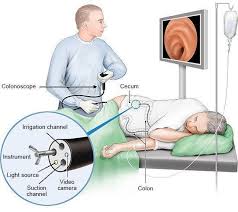
Polyps are small growths in the colon. While many polyps are benign, some have the potential to become cancerous over time. Removing these polyps is a preventative measure. Doctors typically remove polyps during a colonoscopy, but sometimes a more extensive surgery takes place for larger or more complex growths.
When polyps are found, a pathologist examines them to check for cancer cells. Your doctor might recommend a surgical procedure to remove a section of the colon if cancer is present. This action helps prevent the cancer from spreading to other parts of the body, and the extent of the surgery depends on the number and type of polyps.
Regular screenings help detect polyps and other abnormalities early. Polyps can be harmless, but some have the potential to develop into cancer if left untreated. While many procedures are straightforward, promptly addressing polyps can significantly reduce the risk of future complications.
Using Robotic or Laparoscopic Surgery
Surgeons may use minimally invasive techniques for colon procedures. Robotic or laparoscopic surgery involves small incisions. A camera guides the surgeon, who uses specialized instruments to perform the operation. This approach is standard for many types of colon surgery. You and your surgeon will discuss whether this method is appropriate for your condition.
Several factors influence the choice of surgical technique. These include:
- The tumor’s location and size
- The patient’s overall health
- The surgeon’s experience with the technology
In some cases, these minimally invasive methods involve a shorter hospital stay than traditional open surgery. Surgeons make several small cuts instead of one large one. This approach allows them to access the colon, and they can perform the surgery with minimal disruption to surrounding tissues.
Removing Tumors
The primary objective of colon cancer surgery is to remove the tumor. Surgeons take out the cancerous part of the colon, and they also remove a small margin of healthy tissue around it. This process helps to get rid of any cancer cells that may have spread nearby. Nearby lymph nodes are also typically removed and tested for cancer.
After removing the cancerous section, the surgeon reconnects the healthy ends of the colon. This procedure is called an anastomosis, and it allows for normal bowel function after recovery. A temporary or permanent ostomy may be necessary. Your surgical team will discuss this option with you beforehand.
Schedule Colon Cancer Surgery
Surgery is a standard treatment for colon cancer, and it is designed to remove cancerous tissue and polyps. Understanding the type of surgery and its purpose helps you prepare for the procedure. Each step is carefully planned by your medical team to address your specific diagnosis. If you need to arrange a procedure, contact a surgery clinic to schedule your colon cancer procedure today.